Ginger Beer, Fermented and Fiery
A wild ginger bug, real fermentation and a proper fizzy bite
Contents
↓ Jump to recipeShop-bought ginger beer is mostly flavoured fizzy sugar-water, sweet and one-note, with a ginger hit that comes from an extract rather than the root. Real fermented ginger beer is a different animal: dry, genuinely fiery, alive with a fine natural carbonation, and just faintly sour from the wild fermentation that makes it. Brewing it at home takes a few days and almost no special equipment, and the one clever move that raises mine from good to memorable is starting the whole thing with a wild “ginger bug”, a living culture you grow yourself from nothing more than ginger, sugar and water.
Ginger Beer, Fermented and Fiery
Ingredients
- For the ginger bug: 150g fresh ginger (unpeeled, organic if possible), 100g caster sugar, 200ml unchlorinated water, plus daily feeds
- For the ginger beer: 100g fresh ginger, grated
- 120g caster sugar
- 1.5 litres unchlorinated water
- Juice of 2 lemons (about 80ml)
- 120ml active, bubbling ginger bug liquid
- 1 mild red chilli, split (optional, for extra fire)
Method
- Make the bug: put 2 tbsp grated unpeeled ginger and 2 tbsp sugar in a clean jar with 200ml unchlorinated water, stir, and cover with a cloth.
- Feed it daily with 1 tbsp grated ginger and 1 tbsp sugar, stirring well, for 4–7 days until it fizzes actively when stirred and smells yeasty and fresh.
- For the beer, simmer the 100g grated ginger, split chilli if using and 120g sugar in about 500ml of the water for 10–15 minutes to make a spicy syrup.
- Take off the heat, stir in the remaining cold water and the lemon juice, and leave until fully cooled to room temperature (below 30°C).
- Strain the mixture into a clean jug, then stir in 120ml of the active, strained ginger bug liquid.
- Funnel into clean plastic bottles or flip-top glass bottles, leaving 4cm of headspace, and seal.
- Leave at room temperature for 2–4 days until firm and well carbonated, burping plastic bottles daily to check pressure.
- Refrigerate for at least 12 hours to settle and slow the fermentation, then open cold and carefully over a sink.
From cordial to genuine brew
Ginger beer in the fermented sense is a Yorkshire and wider British tradition dating to at least the mid-eighteenth century, when it was brewed in homes and small breweries and sold cheaply, often more lightly alcoholic than proper beer but with a real fizz and bite. For much of the nineteenth century it was hugely popular across Britain and its colonies, brewed with a curious culture called a “ginger beer plant”, a jelly-like symbiotic community of yeast and bacteria that brewers kept alive and passed between households like a sourdough starter. The drink travelled with British emigrants, which is a large part of why ginger beer remains beloved in the Caribbean, Australia and elsewhere.
As commercial soft drinks industrialised in the twentieth century, most ginger beer became a carbonated, pasteurised, non-alcoholic soft drink made to a fixed recipe, and the living, home-brewed version faded to a niche. The revival it is now enjoying rides on the same wave as sourdough, kombucha and home kraut: a renewed interest in slow, wild fermentation and in flavours that a factory cannot reproduce. What follows uses a ginger bug rather than the harder-to-source ginger beer plant, which gets you a very similar result from ingredients you already have.
What a ginger bug actually is
A ginger bug is a wild starter culture, the ginger equivalent of a sourdough. The skin of fresh, unwashed ginger carries wild yeasts and lactic-acid bacteria, and when you keep grated ginger in sugar water and feed it daily, those microbes wake up, multiply and begin fermenting the sugar. Within a few days you have a cloudy, actively bubbling liquid that smells yeasty and bright, and that liquid is your fermenting agent: stirred into a cooled, sweetened ginger mixture, it carries enough live yeast to ferment a whole batch of beer.
This is why the ginger must be organic and unpeeled if you can manage it, and why the water must be unchlorinated. Chlorine in tap water is designed to kill microbes, which is exactly the wrong thing for a culture you are trying to grow, so either use filtered or bottled water or leave tap water uncovered overnight so the chlorine gasses off. The yeasts do the carbonating and, as a by-product, produce a small amount of alcohol, typically well under one per cent if you refrigerate the beer promptly, though it climbs the longer you leave it fermenting warm. A healthy bug froths up enthusiastically within a few seconds of being stirred; if after a week it smells rotten, sour in a bad way, or grows fuzzy mould, throw it out and start again with fresher ginger.
The recipe, step by step
First, grow your bug, which takes four to seven days and should be started before anything else. Put 2 tablespoons of grated unpeeled ginger and 2 tablespoons of sugar into a clean jar with 200ml of unchlorinated water, stir, and cover with a cloth secured with a band so it can breathe while keeping flies out. Each day, feed it another tablespoon each of grated ginger and sugar and stir well. By day four to seven it should fizz actively when stirred and smell fresh, yeasty and gingery; that is your signal it is ready.
For the beer, grate 100g of fresh ginger and simmer it with 120g of sugar and a split mild red chilli, if you want the extra fire, in about 500ml of the water for 10 to 15 minutes to draw out a hot, spicy syrup. The chilli is my small twist: it lifts the heat into a warmer, rounder burn that plays off the ginger without tasting of chilli itself. Take the pan off the heat, stir in the remaining litre of cold water and the juice of two lemons, and let it cool completely to room temperature. This matters, because pouring hot liquid onto your bug will kill the yeast; wait until it is below 30°C, comfortably warm at most.
Strain the cooled liquid into a clean jug and stir in 120ml of the active, strained ginger bug liquid. Funnel it into clean plastic bottles, or flip-top glass bottles if you are confident, leaving about 4cm of headspace, and seal. Leave at room temperature for two to four days to carbonate.
Carbonation, safety and storage
This is the stage that rewards attention. As the yeast eats the residual sugar in the sealed bottle it produces carbon dioxide, and with nowhere to go, that gas dissolves into the liquid and builds pressure. This is what makes the drink fizzy, and it is also why you must be careful: an over-fermented bottle can build enough pressure to burst. Use plastic bottles for your first few batches, because you can feel the carbonation through the walls; when a bottle feels rock-hard and no longer dents under a firm squeeze, it is ready and should go in the fridge. If you use glass, use proper thick-walled flip-top bottles made for brewing, never repurposed still-drink bottles, and stand them in a tub as a precaution.
The cold of the fridge slows the yeast almost to a stop, halting further carbonation and letting the drink settle and clarify. Chill for at least twelve hours before opening, and always open cold and slowly over a sink, because a warm or vigorous bottle can gush. Drink within a couple of weeks, keeping it refrigerated throughout, and open a bottle every few days to release pressure if you are storing them a while. The sediment that collects at the bottom of each bottle is harmless spent yeast; pour gently and leave the last centimetre behind if you like a clearer glass. To keep your bug going for the next batch, simply keep feeding it, or refrigerate it and feed it weekly to slow it down.
Serving and variations
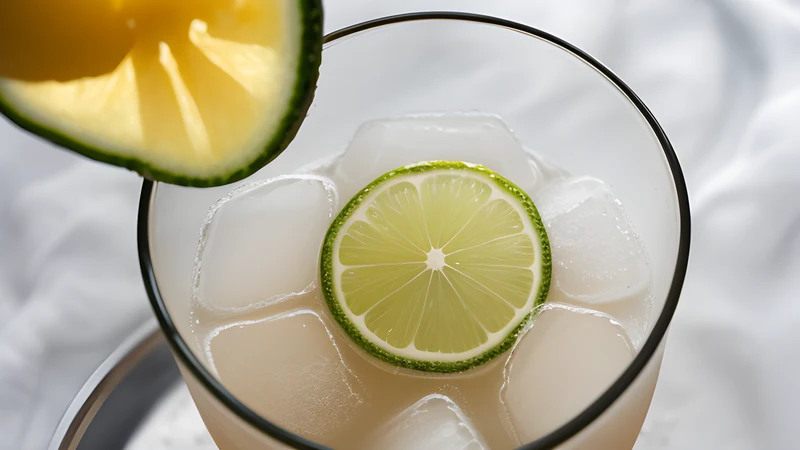
Serve it cold over ice, on its own or as the backbone of a Dark ’n’ Stormy or a Moscow mule. It makes a spectacular non-alcoholic drink poured over ice with a squeeze of lime and a sprig of mint. For variations, add a stick of lemongrass or a few kaffir lime leaves to the syrup, swap some lemon for lime, or stir in a little turmeric for colour and warmth. A tablespoon of black treacle or dark muscovado in the syrup gives a deeper, old-fashioned flavour closer to the Victorian brews, and a handful of raisins added to the bottle feeds the yeast for an even livelier fizz.
Once you have a bug thriving on the counter you will find it wants feeding into other things too. The same wild-ferment habit sits behind a good homemade lemonade with mint and basil if you carbonate it the same way, and for a no-fermentation cooler on a hot day, aam panna, the green mango summer cooler gives you the same thirst-quenching sharpness without the wait. But the first time you crack open a bottle of your own properly fizzy, fiery ginger beer, you will understand why people kept these cultures alive for two hundred years.
Related Content