Garlic-Butter Prawns with Sourdough
Brown butter, sweet prawns, and bread to catch every drop
Contents
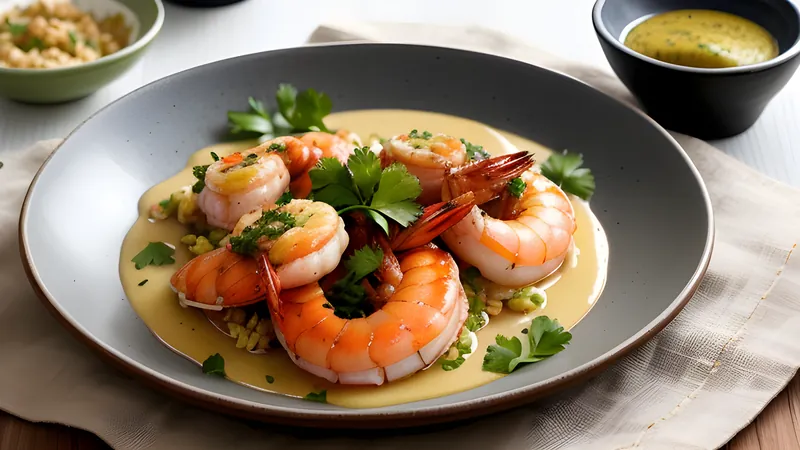
↓ Jump to recipeGarlic butter prawns is one of those dishes that looks like a restaurant flourish and is actually the easiest thing you will cook all week. Six ingredients, one pan, twelve minutes. The only way to ruin it is to walk away from the stove, which you will not be able to do anyway, because the smell pins you to the spot.
The change I make is to brown the butter before the garlic goes anywhere near it. Standard garlic butter is soft and rich; browned butter is that plus a deep, hazelnut warmth that makes the prawns taste sweeter and the whole pan sauce taste like it took an hour. It costs you three extra minutes and a little attention, and it is the difference between nice and the sort of thing people remember.
Garlic-Butter Prawns with Sourdough
Ingredients
- 500g large raw prawns, shell-on
- 80g unsalted butter
- 6 garlic cloves, thinly sliced
- 1/2 tsp dried chilli flakes
- 1 pinch fine sea salt
- 2 tbsp dry white wine or dry sherry
- 1 lemon (zest and juice)
- 1 small handful flat-leaf parsley, chopped
- 4 thick slices sourdough
- 2 tbsp olive oil
- 1 extra garlic clove, halved, for the toast
Method
- Peel the prawns if you prefer, but leave the tails on; keep the shells for stock. Pat the prawns very dry.
- Brush the sourdough with olive oil and char in a hot dry pan or under the grill for 2 minutes a side. Rub with the cut garlic clove.
- Melt the butter in a wide frying pan over medium heat and cook for 3-4 minutes until it foams, smells nutty and the milk solids turn golden brown.
- Add the sliced garlic and chilli flakes and cook for 30-45 seconds until fragrant and pale gold, not brown.
- Turn the heat up, add the prawns in one layer and cook for 90 seconds a side until just pink and opaque.
- Pour in the wine and let it bubble for 30 seconds, then add lemon zest, juice, salt and parsley. Toss once and serve with the toast.
Why prawns and bread belong together
There is a whole family of dishes built on the same simple idea: sweet shellfish, a punchy fat, and bread to catch the juices. Spain has gambas al ajillo, sizzling in a terracotta dish of olive oil and garlic. Portugal has garlic prawns swimming in butter and piri-piri. The American South has New Orleans barbecue shrimp, which contains no barbecue and a heroic amount of butter, served with a French loaf for the express purpose of mopping. Every one of them understands that the sauce is the point and the bread is the delivery system.
British cooking arrived at the same conclusion by way of potted shrimp, those little pots of brown shrimp set in spiced butter that you spread on hot toast. This recipe is that instinct turned up loud: bigger prawns, a live pan, and butter you can still hear sizzling when it reaches the table. The sourdough matters because a sturdy, open crumb with a good chew stands up to the sauce without dissolving, and a proper char on the crust adds a smoky note that plays off the sweet prawns.
Choosing your prawns
Buy raw prawns, never pre-cooked. Cooked prawns have already given their one shot at tenderness and will only toughen when you reheat them. Shell-on is best, because the shells carry a lot of the sweet, briny flavour and protect the flesh in the pan. Big prawns, the ones sold as king or tiger, are more forgiving of timing than little ones and look generous on the plate.
If your prawns are frozen, defrost them slowly in the fridge and then pat them properly dry. Wet prawns steam instead of searing, and you lose the light caramelisation on the surface that makes them taste of more than water. Save every shell and head in a bag in the freezer; a handful simmered with the butter, or turned into a quick stock, is the backbone of a bisque or the seafood layer of a fish pie with a cheddar mash crust another night.
The method, without rushing
Get the toast out of the way first, because once the prawns start you will not have hands to spare. Brush thick slices of sourdough with olive oil and char them in a dry, hot pan or under the grill until striped and crisp, about two minutes a side. Rub each slice, while still hot, with a cut clove of garlic; the rough toasted surface grates the garlic into the bread. Set the toast where it will stay warm.
Now the butter. Melt it in a wide pan over medium heat and let it go past melted, past foaming, to the point where the foam subsides and the milk solids at the bottom turn the colour of a hazelnut and smell toasty. This takes three to four minutes and needs watching in the last thirty seconds, because it goes from brown to burnt quickly. Swirl the pan so you can see the flecks changing colour.
The moment it is brown, drop the heat and add the sliced garlic and chilli flakes. Thirty to forty-five seconds is plenty; you want the garlic soft and barely gold, not toasted, because bitter garlic will spoil the sauce. Turn the heat back up, lay the prawns in a single layer, and leave them alone for ninety seconds before flipping. Ninety seconds on the second side and they are done: pink, opaque, curled into a loose C. A prawn curled into a tight O has overcooked.
Splash in the wine or sherry and let it bubble hard for half a minute to cook off the raw alcohol and pull all the browned bits off the pan. Off the heat, add lemon zest, a good squeeze of juice, a pinch of salt and the parsley. Toss once. That residual acidity is what stops the whole thing from being merely rich; it lifts the butter and makes you want the next mouthful.
Getting the timings right
The most common mistake is overcooked prawns, and it happens because people cook them while the butter browns. Keep the two stages separate. Brown the butter, tame it with the garlic, and only then commit the prawns to a hot pan for a tight three minutes total. If your prawns are smaller than king size, drop to sixty seconds a side.
The second mistake is burnt garlic, which comes from adding it to butter that is still climbing in temperature. Browned butter is already hot, so the garlic goes in with the heat lowered and comes out sweet. If you are nervous, take the pan off the flame entirely for the garlic stage and let the residual heat do the work.
Variations and what to serve alongside
A spoonful of nduja melted into the butter turns this smoky and fiery and is a very good idea on a cold night. A handful of halved cherry tomatoes, added with the wine, collapses into a light sauce. Fresh herbs are flexible: dill leans it Scandinavian, coriander and a little lime send it towards Southeast Asia.
Serve it as a generous starter for four or a main for two with a sharp green salad and more bread than you think you need. If you are building a seafood supper, it sits happily before something gentle and coconutty like prawn malai curry with coconut milk, or alongside the clean, herby grilled whole sea bass with salsa verde for a table that feels like the coast.
Make-ahead and leftovers
This is not a make-ahead dish, and it should not pretend to be. The prawns want to go from pan to plate. What you can do in advance is peel the prawns, slice the garlic, and char the bread up to an hour ahead so the cooking itself is a five-minute sprint.
Leftovers, if there are any, are best chopped and folded through hot pasta the next day with a little of the reserved butter; the sauce clings to spaghetti as if it were designed for it. Any browned garlic butter left in the pan should be scraped into a ramekin and kept in the fridge for a day or two. Spread on toast under a fried egg, it makes the sort of breakfast that justifies buying good bread in the first place.
A note on the wine, and the pan
The splash of alcohol is doing real work, so choose it with a little care. A dry, unoaked white such as a picpoul, a muscadet or an inexpensive Portuguese vinho verde keeps things bright. Dry sherry, particularly a fino or manzanilla, leans the dish towards its Spanish cousins and adds a savoury depth that flatters the browned butter. If you would rather cook without alcohol, use a tablespoon of water sharpened with an extra squeeze of lemon; you lose a little complexity but the sauce still comes together.
The pan matters more than people expect. Use your widest frying pan, ideally stainless steel or a well-seasoned carbon-steel one, so the prawns sit in a single uncrowded layer and sear rather than stew. You also want to be able to see the colour of the butter, which rules out a black cast-iron pan for this particular job; the visual cue is how you catch the butter at nut-brown and not a second later. Get those two things right, the wide pan and the eye on the butter, and this becomes the dish you reach for whenever good prawns turn up at the fishmonger.
Related Content