Galbijjim: Korean Braised Short Ribs
Short ribs braised glossy in soy, pear and a spoon of fermented soybean paste
Contents
↓ Jump to recipeThere is a moment, about two hours into braising galbijjim, when the kitchen stops smelling of raw soy and starts smelling of something rounder and darker, almost like caramel gone savoury. That is the sugar in the pear collapsing into the soy and the beef fat, and it is the signal that the dish is finally becoming itself. Galbijjim is a celebration dish in Korea, the sort of thing that appears at Chuseok and Lunar New Year and big family birthdays, and it earns that status by being genuinely difficult to rush and genuinely hard to ruin once you commit to the low, patient heat.
Galbijjim: Korean Braised Short Ribs
Ingredients
- 1.5 kg bone-in beef short ribs, cut flanken or English style
- 1 Korean or Nashi pear, peeled and grated
- 8 garlic cloves, grated
- 1 thumb (30 g) fresh ginger, grated
- 120 ml soy sauce
- 2 tbsp doenjang (Korean fermented soybean paste)
- 3 tbsp soft brown sugar
- 3 tbsp mirin
- 1 medium onion, roughly chopped
- 8 dried shiitake mushrooms, soaked
- 2 medium carrots, cut into chunks
- 8 chestnuts or 6 baby potatoes, peeled
- 4 spring onions, cut into batons
- 1 tbsp toasted sesame oil
- 1 tbsp toasted sesame seeds
- 600 ml water or shiitake soaking liquid
Method
- Cover the short ribs with cold water and soak for 30 minutes, changing the water once, to draw out blood. Drain.
- Bring a large pot of water to the boil, add the ribs, blanch for 8 minutes, then drain and rinse off the grey scum.
- Grate the pear, garlic and ginger into a bowl and whisk in the soy sauce, doenjang, brown sugar and mirin.
- Return the ribs to the clean pot with the onion, soaked shiitake, the sauce and 600 ml water or soaking liquid. Bring to a simmer.
- Cover partially and braise gently for 1 hour 30 minutes, turning the ribs every 30 minutes.
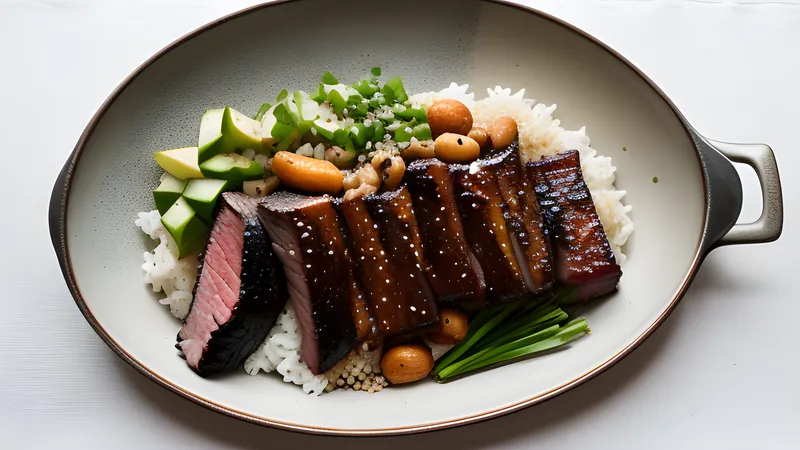
- Add the carrots and chestnuts or potatoes and braise, uncovered, for a further 40 to 50 minutes until the meat is fork-tender and the sauce has reduced and turned glossy.
- Stir through the spring onions and sesame oil, simmer 3 minutes, and scatter with toasted sesame seeds before serving with steamed rice.
What galbijjim actually is
Galbi means rib, and jjim means a dish that is braised or steamed in a small amount of liquid until tender and glossy. So galbijjim is, quite literally, braised ribs, and it sits at the grander end of the Korean table. Where galbi usually means the marinated short ribs you grill over charcoal at the table, galbijjim takes the same cut and treats it slowly, so the connective tissue in those meaty rib sections has time to melt into gelatine. That gelatine is the whole point. It is what gives the finished sauce its lip-sticking, faintly sticky body without a single spoonful of cornflour.
The dish is old and aspirational. Beef was historically expensive and heavily regulated in Korea, so a large platter of glistening braised ribs signalled a household with something to celebrate. That history still clings to it. Nobody makes galbijjim on a dull Tuesday; it is a dish you make because people are coming, or because someone deserves it. The classic version leans sweet and savoury, softened with grated pear, and studded with vegetables and chestnuts that soak up the braising liquid and turn almost jammy at the edges.
My one departure from the standard recipe is a heaped spoon of doenjang, the funky Korean fermented soybean paste, whisked into the braising sauce alongside the soy. It is a small thing that does a large job. Soy sauce brings salt and colour, but doenjang brings a savoury, cheesy, fermented depth that makes the whole braise taste as though it has been cooking twice as long. If you have made a Korean stew before you will recognise the effect immediately; if you have not, trust me and buy the tub.
Getting the meat right
Short ribs come in two main cuts and both work. Flanken-cut ribs are sawn across the bones into thin strips, each with three or four little bone cross-sections; English-cut ribs are thick single-bone blocks. Flanken cooks faster and looks more traditional on the plate, while English cut gives you a bigger, more dramatic piece of meat. Whichever you find, look for ribs with a good marbling of fat running through the meat, because that fat is your flavour and your silkiness.
Two steps up front make the difference between a clean-tasting braise and a muddy one. First, soak the ribs in cold water for half an hour to draw out surface blood. Second, blanch them in boiling water for eight minutes, then drain and rinse. A grey, foamy scum will rise, and rinsing it away means your final sauce stays clear and glossy rather than cloudy. It feels wasteful to throw away that first pot of water, but it is the single biggest lever you have over the finished dish. Skip it and you will spend the rest of the cook skimming.
The braise, step by step
Grate the pear on the coarse side of a box grater and you will be startled how much liquid it gives up. That pear does two jobs: it sweetens gently, and its enzymes help tenderise the beef. Grate the garlic and ginger straight in, then whisk in the soy, doenjang, brown sugar and mirin until the paste dissolves.
Return the rinsed ribs to a clean, heavy pot with the onion, the soaked dried shiitake, the sauce and enough water or mushroom soaking liquid to almost cover. Bring it up to a bare simmer, put the lid on at an angle, and leave it to tick over for an hour and a half. Turn the ribs every half hour so every surface spends time submerged. You are looking for the gentlest movement on the surface; a hard boil will toughen the meat and reduce the sauce before the collagen has melted.
After ninety minutes, add the carrots and the chestnuts or baby potatoes, and take the lid off entirely. Now the sauce reduces and thickens while the vegetables cook through and drink in the flavour. Give it another forty to fifty minutes, keeping an eye on the level, until a fork slides into the meat with no resistance and the sauce has gone thick and shining and coats the back of a spoon. Fold in the spring onions and a spoon of toasted sesame oil right at the end, let it bubble for three minutes, and finish with sesame seeds.
Where it can go wrong
The two classic failures are toughness and a split, greasy sauce. Toughness almost always means the heat was too high or the time too short; short ribs are stubborn and will not surrender their collagen until they have had a good couple of hours of gentle heat. If your ribs are chewy at the two-hour mark, they are not done, so add a splash of water and keep going. Beef is forgiving in this direction; another twenty minutes of gentle heat has rescued far more braises than it has ruined, so resist the urge to crank the flame to hurry things along. A greasy sauce means there was too much rendered fat and not enough reduction. If you have the time, cook the braise a day ahead, chill it, and lift off the set fat cap before reheating. It reheats better than almost anything and the flavour deepens overnight.
The other pitfall is over-reduction. Because the sauce is sweet, it can catch and turn bitter if you let it go too far over a naked flame. Keep tasting in the last twenty minutes, and if it thickens before the meat is ready, loosen it with a little more water.
Serving, storing and variations
Galbijjim wants plain steamed short-grain rice and a couple of sharp side dishes to cut the richness: kimchi, obviously, and something cool and crunchy. If you want to lean into the whole spread, the icy, tangy contrast of naengmyeon is a wonderful foil, and for another dark, savoury Korean plate the same crowd will happily demolish jjajangmyeon.
It keeps in the fridge for four days and freezes beautifully for three months. Cool it quickly, store the ribs in their sauce, and reheat gently so you do not boil the tenderness back out of them. As it happens, this is one of those braises that is better on day two, once the flavours have settled and the fat has been lifted away.
For variations, a spoon of gochujang stirred in with the doenjang tips the dish towards a warming, gentle heat, which is lovely in winter. You can swap the chestnuts for peeled quail eggs added in the last twenty minutes, or add a few dried jujubes for a more festive, faintly medicinal sweetness that reads as unmistakably celebratory. And if you love the low-and-slow technique but want to stay in a European register, the same patience rewards a pot of red-wine braised short ribs — different flavours, identical logic. Master one glossy braise and you have quietly mastered them all.
Related Content