Fraisier: The French Strawberry Cake
The patisserie showpiece, with an elderflower soak and lightened cream
Contents
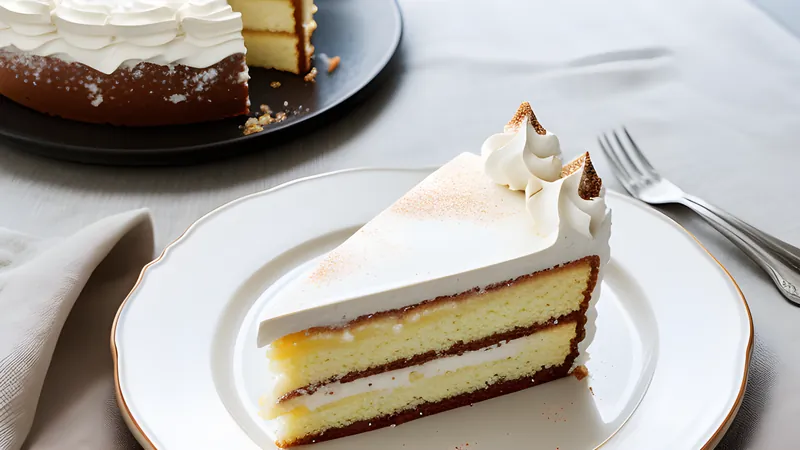
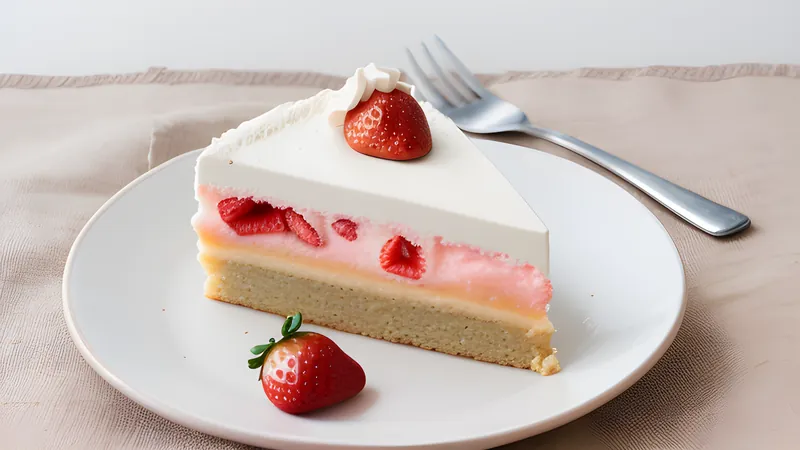
↓ Jump to recipeA fraisier is the cake pastry students are made to fear, and the fear is mostly theatre. Strip away the mystique and it is four things you can each do calmly on their own: a plain sponge, a thick custard beaten into butter, a sugar syrup, and some strawberries cut in half. The reputation comes from the assembly, that ring of strawberry halves standing shoulder to shoulder against the side of the cake, their cut faces pressed to the acetate so they show through like stained glass. It looks like sorcery. It is actually just patience and a bit of geometry.
I have two small departures from the textbook version, and both earn their place. The first is lightening the crème mousseline with mascarpone. Traditional mousseline is crème pâtissière beaten with an almost indecent amount of butter, and while it holds the cake together beautifully, a whole slice of it can sit heavily. A slug of mascarpone folded in at the end keeps the structure and the pipeability while cutting the density, so the cream tastes of vanilla and dairy rather than of butter. The second is an elderflower soak instead of the usual kirsch syrup. Elderflower and strawberry share floral, slightly muscat notes, and the cordial perfumes the sponge in a way that makes the fruit taste more of itself.
Fraisier: The French Strawberry Cake
Ingredients
- For the génoise: 4 medium eggs
- 120g caster sugar
- 120g plain flour, sifted
- 30g unsalted butter, melted and cooled
- For the crème mousseline: 400ml whole milk
- 1 vanilla pod, split
- 5 egg yolks
- 120g caster sugar
- 40g cornflour
- 150g unsalted butter, softened, plus 50g
- 100g mascarpone
- For the soak: 100ml water
- 50g caster sugar
- 3 tbsp elderflower cordial
- To assemble: 600g strawberries, similar size
- 150g white marzipan
- A little icing sugar, for rolling
Method
- Make the crème mousseline first so it can cool. Heat the milk with the split vanilla pod until steaming. Whisk the yolks, sugar and cornflour to a paste. Pour on the hot milk, whisking, return to the pan and cook, stirring hard, until very thick and boiling for one full minute. Beat in the 50g butter, press cling film onto the surface and chill until cold.
- For the génoise, heat the oven to 180C fan. Grease and line a 20cm tin. Whisk the eggs and sugar over a pan of just-simmering water until warm and doubled, then off the heat until tripled, pale and holding a ribbon, about 8 minutes.
- Sift the flour over in three additions, folding gently. Fold a spoonful of the batter into the melted butter, then fold that back in. Bake 22 to 25 minutes until springy. Cool completely, then slice horizontally into two even discs.
- Make the soak: simmer the water and sugar for 2 minutes, cool, then stir in the elderflower cordial.
- Finish the mousseline: beat the softened 150g butter until pale, then beat the cold custard into it a spoonful at a time until smooth and silky. Fold in the mascarpone. If it looks split, keep beating; it comes together.
- Hull and halve enough strawberries to line the ring. Sit a cake disc in a 20cm springform or acetate-lined ring and brush generously with soak. Arrange strawberry halves cut-side out, pressed against the ring, all the way round.
- Pipe or spread mousseline into the gaps between the strawberries and up the sides, then a layer across the base. Stud the centre with whole hulled strawberries, cover with more mousseline, and level, leaving 5mm clear at the top.
- Brush the second disc with soak on both sides, place on top, press gently and chill 4 hours. Roll the marzipan thin, cut a 20cm disc, lay it on top and remove the ring to serve.
A cake named for its strawberries
The fraisier takes its name straight from fraise, the French for strawberry, and it belongs to the tradition of French entremets, the constructed, layered cakes that came out of the grand nineteenth-century patisserie codified by chefs like Marie-Antoine Carême. In its modern form it is a creature of the twentieth century, built around the arrival of reliable, sweet cultivated strawberries and the piping and moulding techniques that let a home or shop kitchen stand fruit up on its edge. In France it is a cake of early summer, made when the Gariguette and Mara des Bois strawberries come into the markets, and it is as much about showing off the fruit as eating it.
That is the thing to hold onto: the fraisier is a strawberry delivery system, and everything else exists to flatter the fruit. Which means the strawberries have to be good. Out-of-season, hard, white-shouldered supermarket strawberries will make a disappointing cake however neat your ring, because the sponge and cream are deliberately restrained to let the fruit lead. Buy them ripe, red the whole way through, and taste one before you commit. If they are sour, a light dusting of sugar half an hour ahead will help; if they are watery, you cannot fix that, so choose better.
Working through the components
Make the crème mousseline base, which is just a firm crème pâtissière, first, because it needs to be properly cold before you beat in the butter. The cornflour is what lets it boil without the yolks scrambling; you genuinely do want it to bubble for a full minute, because that cooks out the raw-starch taste and gives it the set that will hold the cake upright. Cool it fast under cling film pressed to the surface so no skin forms.
The génoise is a whisked sponge leavened by nothing but the air you beat into the eggs, so that stage is not optional. Warming the eggs and sugar over hot water lets them whisk to a far greater volume, and you are looking for a mixture that has tripled, gone pale and thick, and holds a visible ribbon on the surface for a few seconds when you lift the whisk. Fold the flour in with a light hand to keep that air, and temper the melted butter with a little batter first so it disperses without knocking the mixture flat. This is the same technique that carries a génoise with raspberry and chantilly, and it rewards practice. Sit the eggs in warm water for a few minutes if they came straight from the fridge, since cold eggs will not whip to anything like the same volume and the whole sponge depends on that volume. And weigh your flour rather than scooping it; twenty grams too much in a génoise this delicate is the difference between springy and tight.
Beating the cold custard into softened butter is the one moment people panic. It will look, briefly, curdled and horrible. Keep going. As the butter and custard reach the same temperature and emulsify, it turns suddenly silky, and the mascarpone folded in at the end brings it to a pipeable, glossy cream.
The assembly, calmly
Line your ring with a strip of acetate if you have it; it gives the cleanest sides and makes unmoulding painless. Brush the base sponge with plenty of soak, then work round the edge standing your strawberry halves up with the cut face flat against the ring. Pipe mousseline into every gap so no air pockets show through, then build the middle with whole berries and more cream, keeping everything below the rim so the top disc sits flush. Four hours in the fridge sets it firm enough to slice cleanly. It also helps to hull the strawberries for the ring flat at the top, so the halves sit level, and to trim a sliver off the rounded outside of any that wobble; a strawberry that stands dead straight against the acetate reads as precision even when the rest of your assembly is rough. Chill your piping bag of mousseline for ten minutes if the kitchen is warm, because a cream that has slackened will slump into the gaps rather than holding its shape against the fruit.
The marzipan lid is traditional and I keep it, rolled thin, because a whisper of almond suits strawberries. If you find marzipan too sweet, a mirror of thin strawberry jelly is the classic alternative.
Tips, make-ahead and variations
The commonest disasters are a mousseline that splits and refuses to come back (your butter or custard was too cold, so warm the bowl briefly and keep beating) and gaps between the strawberries (pipe more firmly, and choose berries of even size so they pack tightly). Assemble the cake up to a day ahead; the sponge softens beautifully overnight. It does not freeze well once built, though the sponge and custard base freeze fine separately.
For variations, raspberries make a sharper framboisier, and a few basil leaves bruised into the soak play gorgeously against strawberry if you want to push the herbal note further. If the whole enterprise feels like a lot, a pavlova with passionfruit and cream gives you the same summer-fruit-and-cream pleasure with a fraction of the engineering, while a Paris-Brest with praline cream scratches the same show-off-patisserie itch in a different register. But once you have made one fraisier and cut into that ring of standing strawberries, you will understand why pastry chefs keep it in the repertoire. It is a genuinely beautiful thing, and much kinder to make than it looks.
Related Content