Fermented Hot Sauce with Habanero and Garlic
a living jar of fire that gets better with time
Fermented Hot Sauce with Habanero and Garlic
Ingredients
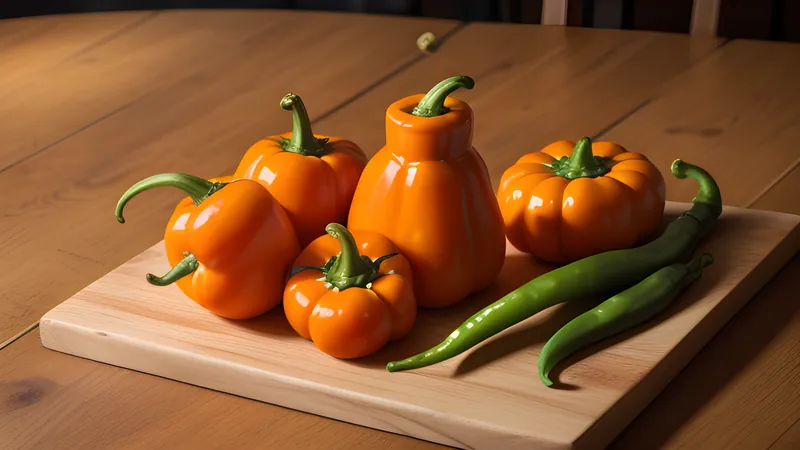
- 200g fresh habanero or Scotch bonnet chillies, stalks removed
- 1 medium carrot, roughly chopped (about 80g)
- 6 fat garlic cloves, peeled
- 1/2 small onion, roughly chopped
- 500ml unchlorinated water
- 25g (about 2 tbsp) fine sea salt, plus extra
- 3–4 tbsp apple cider vinegar, to finish
Method
- Dissolve the salt in the water to make a 5% brine.
- Pack the chillies, carrot, garlic and onion into a clean jar, leaving headroom at the top.
- Pour over the brine until everything is submerged, then weigh the vegetables down so nothing floats.
- Loosely cover and leave at room temperature for 7–14 days, burping the jar daily, until pleasantly sour and fizzy.
- Strain, reserving the brine, and blend the solids with enough brine to reach a pourable consistency.
- Blend in the vinegar to taste, bottle, and refrigerate.
Wear gloves. I am opening with that because every fermented hot sauce story should, and because I learned the hard way that habanero oils do not care about your plans for the rest of the day. With that out of the way: this is the condiment that turned me from someone who owned seven half-finished bottles of shop hot sauce into someone who makes one bottle that beats all of them.
Fermented hot sauce is not just chillies blitzed with vinegar. The fermentation step changes everything. You submerge the chillies in a simple salt brine, let wild lactic acid bacteria go to work for a week or two, and they transform the raw, one-dimensional heat into something layered, tangy and deeply savoury. It is the same family of process that gives you sauerkraut, kimchi and, yes, the famous aged-mash hot sauces sold in little wooden-crate bottles.
1 Why ferment instead of just blending?
Raw chilli sauce tastes like raw chilli: sharp, green, and aggressive in a way that flattens whatever it touches. Fermenting it does what time does to most good things — it rounds the edges. The bacteria produce lactic acid, which gives a clean, complex sourness very different from the harsh hit of straight vinegar. They also break down the chillies and garlic into something mellower and more aromatic, building a savoury backbone of flavour you simply cannot fake. The result is hot, yes, but it is also interesting, and you find yourself reaching for it on eggs, tacos, roast vegetables, soup, and frankly most things that are not pudding.
2 The one clever twist: a carrot in the jar
Here is the small move that makes this sauce better than most: ferment a chopped carrot alongside the chillies. It sounds odd. It is not. The carrot contributes a gentle natural sweetness and a little body that balances the searing heat of the habaneros, so the finished sauce has roundness rather than just a wall of fire. It also feeds the fermentation nicely. You will not taste “carrot” in the final bottle — you will taste a hot sauce that is somehow more complete, with a faintly fruity warmth under the burn. People assume there is some secret ingredient. The secret is a vegetable that costs ten pence.
3 Building the ferment
Everything hinges on the brine. Make it 5% salt by weight of water — 25g of salt to 500ml is the easy ratio to remember — because that concentration favours the good lactic bacteria and discourages the spoilage organisms you do not want. Use unchlorinated water if you can; chlorine can stall a ferment. Filtered or briefly boiled and cooled tap water both work.
Pack the chillies, carrot, garlic and onion into a clean jar with a couple of centimetres of headroom. Pour over the brine until everything is covered, then weigh it down. This is the non-negotiable bit: anything floating above the brine can grow mould. A small water-filled bag, a fermentation weight, or even a clean shot glass pressed on top all do the job.
Cover loosely — fermentation produces gas and the jar needs to vent. Leave it somewhere around 18–22°C, out of direct sun. Within a day or two you should see tiny bubbles and the brine turning cloudy; that is the ferment waking up. “Burp” the jar daily by briefly loosening the lid to release pressure.
4 Knowing when it is ready
Taste it after about a week. You are looking for a pleasant, clean sourness and a gentle fizz on the tongue — bright, lively, a little tangy. In a warm kitchen this can take 7 days; in a cooler one, up to 14. There is no exact finish line; ferment until you like the flavour. A healthy ferment smells sour and appetising. If it ever smells genuinely rotten or grows fuzzy, coloured mould, throw it out — but with the vegetables kept submerged, this almost never happens.
When you are happy, strain the solids from the brine and blend them, adding brine back a splash at a time until the sauce pours the way you like. Finish with apple cider vinegar to taste; this both sharpens the flavour and lowers the pH for safe keeping. Bottle it and store it in the fridge, where it keeps for months and quietly improves for the first few weeks.
5 Make it yours
Once you have the method, the variations are endless. Swap in red jalapeños for a milder, smokier sauce, throw in a roasted red pepper for sweetness, or add a thumb of ginger to the jar. Whatever you do, keep the salt ratio and keep everything submerged, and the bacteria will reward you. One bottle, made once, will see off your entire cupboard of forgotten shop sauces — and you will have made something genuinely, gloriously alive.
Related Content