Edamame with Chilli and Sea Salt
Blistered pods, garlic, chilli and flaky salt
Contents
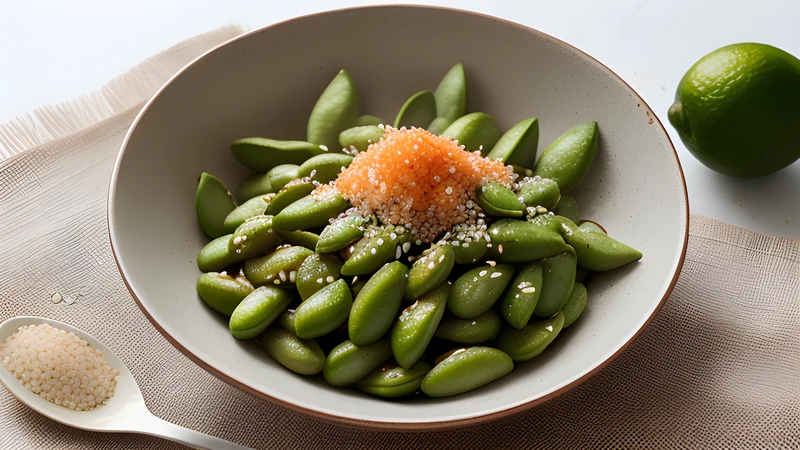
↓ Jump to recipeBoiled and salted edamame is a fine thing, but the pods have more to give. The twist here is to blister them hard in a smoking-hot pan so the skins char in patches and blacken at the edges, then toss them with sliced garlic, chilli and flaky sea salt while they are still glistening. The char adds a smoky depth, the garlic and chilli cling to the outside of the pods, and as you pull each one through your teeth to pop the beans out, you drag all that seasoning along with them. It takes ten minutes and turns a quiet bowl of edamame into something you cannot stop reaching for.
Edamame with Chilli and Sea Salt
Ingredients
- 400g frozen edamame in the pod
- 1 tbsp neutral oil
- 3 garlic cloves, thinly sliced
- 1-2 red chillies, thinly sliced (or 1 tsp chilli flakes)
- 1 tsp toasted sesame oil
- 1 tsp flaky sea salt, plus more to serve
- 1/2 tsp caster sugar
- 1 tsp toasted sesame seeds
- 1 lime, cut into wedges (optional)
Method
- Bring a pan of water to the boil, add 400g frozen edamame and cook for 3-4 minutes until heated through and just tender, then drain very well and pat dry.
- Heat a large heavy frying pan or wok over high heat until almost smoking, then add 1 tbsp neutral oil.
- Tip in the drained edamame in a single layer and leave undisturbed for 1-2 minutes so the undersides blister, then toss and repeat until blistered and blackened in patches.
- Turn the heat to medium, push the pods to one side, and cook 3 sliced garlic cloves and 1-2 sliced chillies in the space for 30-60 seconds until the garlic is pale gold and fragrant.
- Add 1 tsp sesame oil, 1 tsp flaky salt and 1/2 tsp sugar, then toss everything together for another 30 seconds to coat the pods.
- Tip into a bowl, scatter with 1 tsp sesame seeds and a little more flaky salt, and serve hot with lime wedges.
The story
Edamame are young soybeans, harvested while still green and soft, before they harden into the mature beige beans that get dried and pressed into tofu, soy sauce and miso. The name is Japanese and translates roughly as “stem beans”, from the days when they were sold and boiled still attached to their stalks. They have been eaten in East Asia for many centuries; there is a Chinese reference to green soybeans as a snack going back to the Song dynasty, and in Japan they became firmly linked with summer, with beer, and with the izakaya, the casual pub where small savoury plates are ordered to keep the drinks company.
That pairing with beer is not an accident. Edamame are genuinely nourishing, high in plant protein and fibre, and the pods are salted so you eat them slowly, one at a time, popping the beans out with your teeth and dropping the empty shell into a communal bowl. It is sociable, unhurried food, the kind of thing you graze on across a whole evening. The soybean’s journey from an obscure Asian crop to a global one is remarkable; edamame in particular went from a specialist item to something you can buy frozen in almost any supermarket, which is the form nearly everyone cooks them from, and it works perfectly well.
Once you treat the pod as a vehicle for seasoning, the possibilities open up. The Japanese themselves dress edamame in more than plain salt, from yuzu kosho, a fiery citrus-chilli paste, to a dusting of shichimi togarashi, the seven-spice blend. The garlic and chilli treatment here leans into that spirit and shares its DNA with the smoky, spicy snacks eaten with drinks the world over. Edamame make a natural partner for other Japanese small plates, sitting happily alongside a batch of takoyaki with bonito and Kewpie or dressed with a splash of ponzu from scratch instead of the chilli-garlic here.
Why the char works
A blistered pod tastes noticeably better than a boiled one, and there is real chemistry behind it. High, dry heat triggers the Maillard reaction, the same browning that gives toast, seared steak and roasted coffee their deep, savoury flavour. When the outside of the pod scorches in patches, it develops those toasty, complex notes, and even though you do not eat the shell, the flavour transfers to the beans inside and to your fingers and lips as you work through them. A little char also concentrates the natural sweetness of the young beans by driving off surface moisture.
Getting a good blister needs two things: a properly dry pod and a properly hot pan. Any water left clinging to the edamame after boiling will hit the hot pan and turn to steam, and steaming is the enemy of charring, so drain them thoroughly and pat them dry with a cloth. The pan must be hot enough to sizzle aggressively the moment the pods land, and then, crucially, you must leave them undisturbed for a minute or two so a real char can form before you toss. Constant stirring gives you pale, evenly warmed pods with no colour and none of the flavour you are after.
Tips and troubleshooting
The garlic is the thing most likely to go wrong, because sliced garlic burns in seconds over high heat and turns acrid. Add it only after you have turned the heat down to medium, and pull the pan off the flame the moment it turns pale gold and smells sweet. If it browns too fast, it will taste bitter and drag the whole bowl down with it. Adding a pinch of sugar with the salt is a small trick that balances the heat of the chilli and helps the seasoning caramelise lightly onto the pods.
If your edamame are tough, they were undercooked in the boiling stage; give frozen pods a good 3-4 minutes in boiling water so the beans inside are tender before they hit the frying pan. The pan is there only to char and season them; it works too fast to cook the beans through on its own. If the seasoning slides off into the bottom of the bowl, the pods were probably still wet, so dry them better next time and give them a final toss with the sesame oil, which helps everything cling.
Variations and serving
The chilli-garlic dressing is a starting point. A spoon of miso loosened with a little mirin, tossed through at the end, gives a savoury, sticky glaze. A squeeze of lime and a shower of togarashi makes a sharper, zippier bowl. For a sweet-salty version, a splash of soy sauce and a little more sugar reduced down around the pods gives a glossy, teriyaki-like coating. Grated fresh ginger added with the garlic brings warmth and fragrance.
Serve edamame hot, straight from the pan, in a shared bowl with a second empty bowl for the spent pods and plenty of napkins, because eating them is a hands-on, slightly messy business. They are best in the first few minutes while the char is still smoky and the garlic crisp, so cook them last and bring them to the table at once, ideally with cold drinks and good company.
Fresh versus frozen
Almost all edamame reaches home cooks frozen, and this is one case where frozen is genuinely the sensible choice. Soybeans start converting their sugars to starch the moment they are picked, so the sweetness of a fresh pod fades within a day or two. Commercial edamame are blanched and flash-frozen within hours of harvest, which locks in that youthful sweetness far better than a pod that has spent a week travelling to a shop. Buy them in the pod rather than shelled for this recipe, since the whole appeal is dragging the seasoned shell through your teeth. Keep a bag in the freezer and you have a five-minute snack ready whenever people turn up, which is exactly the role edamame have played in izakaya kitchens for generations. Cook them straight from frozen; there is no need to thaw first, and a quick boil brings them to the tender, bright-green state you want before the pan does its charring work. If you do come across fresh edamame at a farmers’ market in high summer, snap them up and cook them the same day; the difference in a truly fresh pod, eaten hours from the plant, is worth the rare chance. Shelled frozen soybeans, sold loose without their pods, are excellent stirred into fried rice or salads, but they are the wrong shape for this dish, where the pod itself is the point.
Related Content