Earl Grey and Lavender Cake
A bergamot sponge that steeps its tea in browned butter
Contents
↓ Jump to recipeEarl Grey and lavender is a pairing that goes wrong far more often than it goes right, and it goes wrong in a specific, memorable way: the cake tastes of soap. I have made that cake. It looked lovely and it tasted like the inside of my grandmother’s linen drawer, and everyone was too polite to say so. The problem is almost always the lavender, and the fix is almost always restraint, but the deeper fix is getting real flavour from somewhere else so the lavender only has to whisper.
That somewhere else is the tea, and the trick that changed this cake for me is steeping the Earl Grey in browned butter rather than in milk or water. Bergamot, the citrus oil that gives Earl Grey its perfume, is fat-soluble. It dissolves happily into warm butter and clings there through the whole bake, where a splash of tea-infused milk would mostly evaporate and leave you chasing the flavour with more and more teabags until the crumb turns bitter and grey. Browning the butter first adds a nutty, caramel undertone that flatters the bergamot the way a good biscuit flatters a cup of tea.
Earl Grey and Lavender Cake
Ingredients
- 225g unsalted butter
- 3 Earl Grey teabags (or 3 tsp loose leaf), plus 1 for the icing
- 1 tsp dried culinary lavender, lightly crushed
- 225g caster sugar
- 4 medium eggs, at room temperature
- 225g self-raising flour
- 1 tsp baking powder
- 1/2 tsp fine salt
- 3 tbsp whole milk
- Finely grated zest of 1 lemon
- 200g icing sugar
- 2 tbsp just-boiled water
- A few sprigs fresh lavender or a pinch of dried, to decorate
Method
- Melt the butter gently in a small pan until it foams, smells nutty and the milk solids at the bottom turn golden-brown; this takes about 6 minutes. Take it off the heat the moment it smells like toasted hazelnuts.
- Tear open 3 teabags into the hot butter, add the crushed lavender, swirl, and leave to steep for 20 minutes off the heat. Then strain the butter through a fine sieve, pressing the leaves, and chill until it is soft and spoonable but no longer liquid, about 30 minutes.
- Heat the oven to 170C fan. Grease and line a 20cm round tin. Beat the steeped butter with the caster sugar for 4 to 5 minutes until pale and fluffy.
- Add the eggs one at a time, beating well after each and adding a spoonful of the flour if it threatens to curdle.
- Sift together the flour, baking powder and salt, then fold in gently with the milk and lemon zest until just combined.
- Scrape into the tin, level the top, and bake for 33 to 37 minutes until golden and a skewer comes out clean. Cool in the tin for 10 minutes, then turn out onto a rack.
- For the icing, steep the last teabag in the just-boiled water for 4 minutes, squeeze it out, then whisk 2 tablespoons of the strong tea into the icing sugar until you have a thick, slowly-falling ribbon.
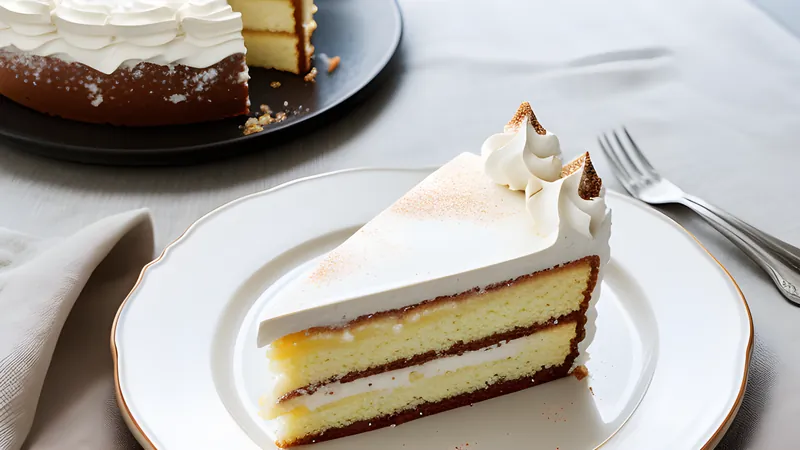
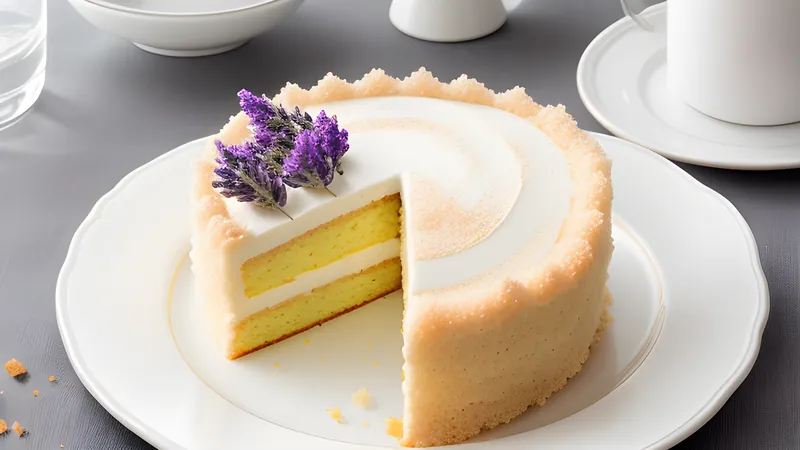
- Spoon the icing over the cooled cake and let it drip down the sides. Scatter over a very few lavender buds and leave to set for 20 minutes before slicing.
Where the flavour actually comes from
Earl Grey is not a variety of tea plant; it is black tea scented with oil of bergamot, a small, sour Italian citrus grown almost entirely in Calabria. The blend is named after Charles Grey, the 2nd Earl Grey and briefly Prime Minister in the 1830s, though the story that a Chinese diplomat gifted him the recipe is almost certainly a later invention by tea sellers. What is true is that by the middle of the nineteenth century bergamot-scented tea was being sold in London, and the name stuck to it. The flavour you are chasing in this cake is that bergamot: floral, bitter-sweet, closer to grapefruit and orange blossom than to anything you would call “tea”.
Culinary lavender, meanwhile, is not the same as the lavender in a garden border. Most ornamental varieties are high in camphor, which is exactly the harsh, medicinal note you do not want. Look for Lavandula angustifolia, sold specifically as culinary or “English” lavender, and use it as you would a strong spice: a teaspoon for a whole cake, crushed lightly to release the oils, and no more. If all you can find is a border bush, leave it out and lean harder on the tea. A slightly under-lavendered cake is a pleasure; an over-lavendered one goes straight in the bin.
Making the cake
The method is a straightforward creamed sponge once the butter is sorted, and the butter is where your attention needs to go. Watch it as it melts past the foaming stage: the water cooks off, the noise it makes changes from a busy sizzle to a quieter crackle, and the milk solids sink and toast. The colour you want is the amber of runny honey, and the smell is unmistakably nutty. A shade too far and it turns acrid, so pull it off the heat a touch earlier than you think and let residual warmth finish it. The bergamot in commercial Earl Grey varies wildly between brands, too, which is worth knowing before you blame your technique. A cheap supermarket teabag often carries synthetic bergamot flavouring that bakes out to almost nothing, while a good loose-leaf blend from a proper tea merchant holds its perfume through the oven. If your cake tastes of little, try a better tea before you reach for more lavender; the difference is genuinely night and day, and three teabags of a strong blend will out-perfume six of a weak one every time.
Steeping the torn teabags and lavender in that hot butter for twenty minutes does the extraction. Straining and chilling it back to a soft solid means you can cream it with the sugar exactly as you would ordinary butter, trapping air for a light crumb. Do not rush the creaming; four full minutes with an electric whisk builds the structure that keeps this cake tender. If the mixture curdles when you add the eggs, a tablespoon of the flour brought forward will bring it back together without harming the rise. Room-temperature eggs matter more than people admit here, as well: cold eggs seize the creamed butter into little lumps and knock the air back out, and a fridge-cold batter bakes unevenly, doming and cracking while the edges overcook. Give the eggs half an hour on the counter, or sit them in a bowl of warm water for five minutes if you forgot.
The lemon zest in the batter is doing quiet, important work. Bergamot reads as a citrus note, and a little fresh lemon amplifies it, nudging the whole cake towards brightness and away from that muffled, perfumed heaviness. The icing is made with a small quantity of very strong tea so the bergamot carries through to the last mouthful, and it should be thick enough to drip slowly rather than run off in a sheet.
Tips, troubleshooting and getting the balance right
The single most common failure is soap, and it comes from too much lavender or the wrong kind. If you are nervous, start with half a teaspoon and add a few buds to the icing instead; you can always increase it next time. The second most common problem is a dense, greasy crumb, which usually means the browned butter was still too warm and liquid when it was creamed, so it never held any air. Chill it properly until it is the texture of soft margarine.
If your cake sinks in the middle, the oven was likely opened too early or the batter over-beaten after the flour went in; fold only until you no longer see streaks. And if the flavour feels flat despite everything, it is nearly always under-salted. That half teaspoon of salt is not seasoning the cake to taste savoury, it is sharpening every floral and citrus note in it.
Make-ahead, storage and variations
The steeped browned butter can be made up to three days ahead and kept in the fridge; bring it back to soft-solid before creaming. The baked, un-iced cake keeps in an airtight tin for three days and actually improves on day two as the bergamot settles into the crumb. Iced, it is best within two days. It freezes well un-iced, wrapped tightly, for up to two months.
For a fancier version, split the cake and fill it with a bergamot cream: whip 200ml double cream with a tablespoon of icing sugar and a little of the strong steeped tea. If you like the tea-and-floral register, the same logic of steeping aromatics into fat sits behind a good lemon and elderflower celebration cake, where the elderflower does the perfuming instead. And if you want to see what a properly assertive infused-buttercream can do, the espresso in this coffee and walnut cake works on exactly the same principle: get the flavour into the fat and it stays put. A génoise with raspberry and chantilly makes a lighter, more grown-up birthday alternative if you find creamed sponges too rich.
Serve this in thin slices with a pot of, inevitably, more Earl Grey. It is a teatime cake in the truest sense, and made this way it tastes of the actual tea rather than of a scented candle.
Related Content