Duchess Potatoes, Piped and Golden
Enriched mash, piped into swirls and baked to a crisp
Contents
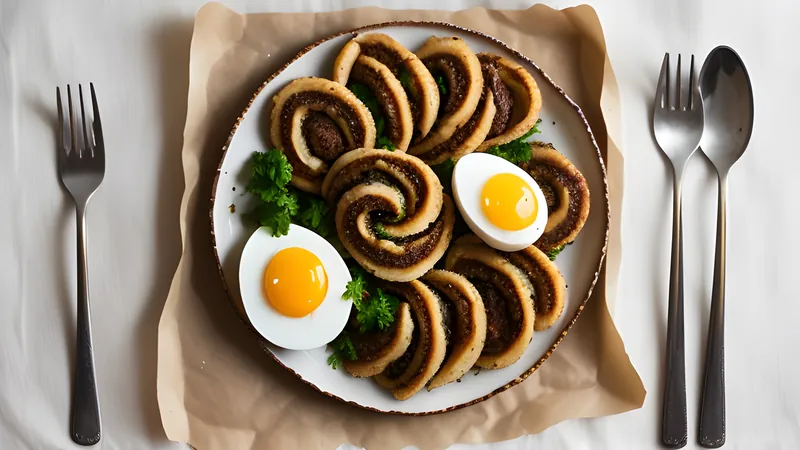
↓ Jump to recipeDuchess potatoes belong to the grand old repertoire of French cookery, the kind of thing that turns up in Escoffier and on the menus of hotels with chandeliers. They are, at heart, a very good mash enriched with egg yolk and butter, then piped into little swirled towers and baked until the ridges catch and crisp while the insides stay soft. The egg yolk is the whole trick: it sets in the oven, holding the piped shape and giving you a shattering, golden crust that plain mash could never manage. My small modern tweak is a little grated Parmesan beaten through, which deepens the savour and helps the tops brown to an even richer gold.
They have a reputation as fussy, retro dinner-party food, and I will admit they take a piping bag and twenty minutes more than a bowl of mash. What you get in return is a side dish that looks like you tried very hard, sits beautifully beside a roast or a braise, and can be piped hours ahead and baked at the last minute. They are the natural companion to something saucy like coq au vin with lardons and pearl onions or a roast chicken with tarragon butter, where the crisp swirls give you texture against the gravy.
Duchess Potatoes, Piped and Golden
Ingredients
- 800g floury potatoes (Maris Piper or King Edward), peeled
- 3 large egg yolks
- 40g unsalted butter, softened
- 2 tbsp double cream or whole milk, warmed
- 1/4 tsp freshly grated nutmeg
- 1 tsp fine sea salt, plus more for the water
- White pepper, to taste
- 1 egg yolk beaten with 1 tsp milk, for glazing
- 20g finely grated Parmesan (optional)
Method
- Cut the peeled potatoes into even 4cm chunks. Put them in a pan of cold, well-salted water, bring to the boil, and simmer for 15 to 18 minutes until completely tender to a knife tip.
- Drain thoroughly and return to the hot pan over low heat for 1 minute, shaking, to steam off excess moisture. Pass the potatoes through a ricer or fine sieve into a bowl for a lump-free purée. Do not use a food processor.
- While still hot, beat in the softened butter, then the warm cream, then the 3 egg yolks one at a time. Season with the nutmeg, salt and white pepper. Beat until smooth, glossy and stiff enough to hold a peak. Stir in the Parmesan if using.
- Spoon the mixture into a piping bag fitted with a large star nozzle. Line a baking tray with baking paper and pipe swirled rosettes about 6cm wide, building up in two or three rings to a peak. Chill on the tray for 15 minutes if the mixture is soft.
- Preheat the oven to 200C fan. Brush each swirl gently with the egg-yolk glaze. Bake for 20 to 25 minutes until deep golden and crisp at the ridges. Serve at once.
A little history
The name pommes duchesse dates to nineteenth-century French haute cuisine, part of a whole family of moulded and piped potato preparations that classical chefs devised to dress a plate. From the same base you get pommes dauphine, where the potato is mixed with choux pastry and deep-fried, and croquettes. Duchess potatoes were the elegant, oven-baked member of the family, designed to be piped into neat borders around a serving dish or into individual rosettes to flank a joint of meat. The Victorians and Edwardians adored them precisely because they looked ornamental, and they became a fixture of formal British and French dining well into the twentieth century.
There is a genuine technical reason they endured beyond mere decoration. Enriching mash with egg yolk turns it into something structurally quite different. The proteins in the yolk coagulate in the heat of the oven, setting the piped shape solid and creating a firm, crisp exterior, while the fat from the yolk and butter keeps the interior tender. It is the same principle that lets a choux bun hold its puff. Understanding that helps you get them right, because it tells you the yolk is doing structural work and cannot be skimped.
The purée is everything
Duchess potatoes are only as good as the mash you build them from, so this is where care pays off. Start with a floury variety, a Maris Piper or King Edward, because floury potatoes have a high starch content and low moisture, which gives you a light, fluffy purée that pipes cleanly. A waxy potato holds too much water and turns the mixture slack and gummy.
Two rules matter above all. First, dry the potatoes out. After boiling and draining, return them to the hot empty pan over a low flame for a minute, shaking, to drive off surface moisture as steam. Wet mash makes a wet mixture that will not hold a piped ridge and browns poorly. Second, never take a food processor or blender to boiled potatoes. The whirling blade smashes the starch cells and releases their glue, turning your mash into wallpaper paste within seconds. Use a potato ricer or push the potato through a fine sieve; both give you a silken, lump-free purée while treating the starch gently. This is the single most important thing to get right, and it is why a ricer is one of the few pieces of kit I would genuinely tell you to buy.
Season and taste the purée before you add the yolks, then adjust once more after, because the raw yolk mutes the salt a little and undercooked mash is famously bland. Warm your cream or milk before it goes in, too; cold dairy shocks the hot potato, firms the starch and dulls the sheen, whereas warm liquid folds in glossy and smooth.
Beat the enrichments in while the potato is still hot, so the butter melts evenly and the yolks incorporate smoothly. Add the yolks one at a time. Season assertively with salt, white pepper so you get no black flecks, and a proper amount of freshly grated nutmeg, which is the classic and, to my mind, essential aromatic here. The finished mixture should be smooth, glossy and stiff enough to stand up in a peak on the spoon; if it is too soft to pipe, it will slump in the oven.
Piping and baking
Fit a piping bag with a large star nozzle, the bigger the better, because a small nozzle clogs on any stray lump and gives you weedy little swirls. Pipe rosettes about six centimetres across onto a lined tray, starting at the outside and spiralling in and up to build a peaked tower with plenty of ridges, since those exposed ridges are what crisp and brown. If your kitchen is warm or the mixture feels soft, chill the piped swirls for fifteen minutes to firm them up before they go in, which helps them hold their definition.
Brush each one gently with an egg-yolk glaze for extra colour and shine, taking care not to flatten the ridges. Then bake in a hot oven, 200C fan, for twenty to twenty-five minutes, until they are a deep, confident gold with crisp, almost lacquered tips. Pale duchess potatoes are a sad thing; you want real colour, so give them the full time and turn the tray if your oven browns unevenly.
What goes wrong, and make-ahead
The usual failures all trace back to the mixture. Swirls that collapse and lose definition mean the mash was too wet or too soft, so dry the potatoes harder and make sure the mixture holds a peak before piping. Swirls that stay pale mean the oven was not hot enough or they needed longer; do not be timid with either. A grainy, gluey texture means the potato was blitzed rather than riced, and sadly there is no rescue once that has happened, so treat the starch gently from the start.
They are a gift for entertaining because they wait so well. Pipe the swirls onto their tray, cover loosely and refrigerate for up to a day, then glaze and bake straight from the fridge, adding a couple of minutes to the time. You can also freeze the piped, unbaked swirls solid on the tray, transfer them to a box, and bake from frozen. That make-ahead flexibility is the real reason they earn their keep on a busy dinner.
Variations
Once you have the base, it flexes easily. Fold in a little grated Gruyère or extra Parmesan for a cheesier version that suits a plainer main. Beat through finely chopped chives, or a spoonful of horseradish to serve alongside beef, or a scrape of roasted garlic for depth. Sweet potato, or a mix of sweet and floury white, makes a striking autumn version, though you will need to dry it especially hard as it carries more moisture. And if piping genuinely defeats you on the night, spoon the same enriched mixture into a buttered dish, rough up the surface with a fork, glaze and bake it as one; you lose the elegant swirls but keep the crisp, golden top and every bit of the flavour. Serve them the moment they come out of the oven, while the ridges still crackle, alongside the fish pie with a cheddar mash crust if you want a whole meal built around good potato.
Related Content