Drunken Noodles (Pad Kee Mao) with Holy Basil
Wide rice noodles, fierce heat and a fistful of holy basil
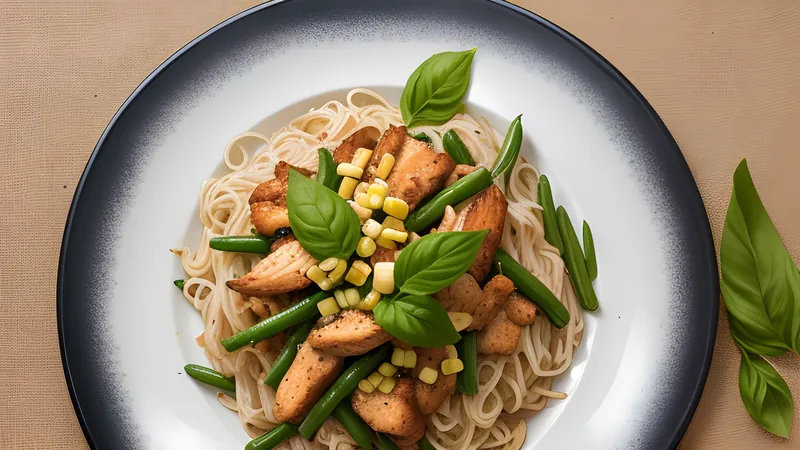
Contents
↓ Jump to recipeThere is a myth that pad kee mao got its name because it is what you cook, or crave, when drunk. The Thai kee mao does translate roughly to “drunkard,” and the most charming theory holds that the dish is so fierce with chilli and garlic that it could sober you up, or that a tipsy cook simply flung whatever was to hand into the wok. Whatever the truth, the name has stuck, and it fits: this is loud, garlicky, chilli-forward food with a slap of holy basil at the end, and it does not do subtlety.
It is also, once you have your ingredients lined up, one of the fastest proper dinners you can make. Ten minutes in the wok, most of it spent listening for the right sizzle. The whole game is heat and timing, and the reward is those slippery, slightly charred wide noodles carrying a sauce that is salty, sweet and savage all at once.
Drunken Noodles (Pad Kee Mao) with Holy Basil
Ingredients
- 400g fresh wide rice noodles (or 200g dried wide rice sticks, soaked)
- 200g chicken thigh, sliced (or firm tofu)
- 5 garlic cloves
- 3 to 6 bird's-eye chillies, to taste
- 1 shallot, sliced
- 1 small carrot, thinly sliced
- 6 baby corn, halved lengthways
- 60g green beans, cut into 4cm lengths
- 1 large handful holy basil (Thai basil if unavailable)
- 2 tbsp neutral oil
- 1 egg (optional)
- 2 tbsp oyster sauce
- 1 tbsp light soy sauce
- 1 tbsp dark soy sauce
- 1 tbsp fish sauce
- 2 tsp caster sugar
- 1 tbsp Shaoxing wine or water
- Lime wedges, to serve
Method
- Pound the garlic and chillies to a rough paste in a mortar. Mix the oyster, both soys, fish sauce, sugar and wine in a bowl.
- If using dried noodles, soak in warm water until pliable but not soft, then drain well. Fresh noodles should be gently separated by hand.
- Heat 1 tbsp oil in a wok until smoking. Add the noodles in a single layer and leave undisturbed for 60 to 90 seconds to char, then toss once and char again. Tip them out.
- Add the remaining oil, fry the garlic-chilli paste and shallot for 20 seconds, then the chicken for 2 minutes until nearly cooked.
- Add the carrot, baby corn and green beans, tossing over high heat for 2 minutes.
- If using egg, push everything aside, crack it in and scramble briefly.
- Return the charred noodles, pour in the sauce, and toss hard for 1 to 2 minutes until glossy and coated.
- Kill the heat, fold in the holy basil until just wilted, and serve at once with lime wedges.
What pad kee mao actually is
Drunken noodles belong to the Thai-Chinese stir-fry tradition, the pad (stir-fried) family that Chinese immigrant cooks brought to Thailand and that Thai palates then bent toward fish sauce, palm sugar and chilli. The wide, flat rice noodle at its heart is sen yai, the same broad ribbon used in pad see ew, and the two dishes are often confused. The dividing line is simple: pad see ew is sweet, dark and mild, seasoned mainly with soy; pad kee mao is hot, herbal and aggressive, built on chillies, garlic and basil with no sweetness to hide behind.
The defining herb is holy basil, or kaphrao, a peppery, clove-scented leaf quite different from the sweeter Thai basil most shops stock. Holy basil is what gives the dish its distinctive medicinal warmth, and if you can find it at a Southeast Asian grocer it is worth the trip. Thai sweet basil is the honest substitute, and I have flagged it in the ingredients, but the two are genuinely different plants and the dish shifts character between them.
If Thai heat and lime are your thing, this sits happily beside Thai Steamed Fish with Lime, Chilli and Garlic, and among noodles it is a spicier sibling of Mee Goreng with Prawn and Tofu.
My clever twist: char the noodles dry first
Most home recipes tell you to add the noodles and sauce together and toss. I do something the good Thai cooks do and home cooks skip: I char the noodles alone, dry, in the smoking wok before anything else goes in. Sixty to ninety seconds undisturbed against the hot metal blisters the starch and puts real toasty, smoky spots on the ribbons, the closest a domestic hob gets to genuine wok hei. Then I lift them out and cook the rest, returning the noodles only at the very end to coat in sauce.
Charring first solves two problems at once. It builds smoky depth that a wet, crowded stir-fry never develops, and it firms the noodle surface so the ribbons stay separate instead of gluing into one sad clump. Wide rice noodles are prone to tearing and sticking, and this dry-char step is the best insurance I know against a plate of noodle porridge.
Getting the noodles right
Fresh wide rice noodles are the ideal, and if you can buy them supple in a chilled packet, use them the day you buy them; refrigeration makes them brittle and they crack when tossed. Warm them gently, either a few seconds in the microwave or a quick dunk in hot water, so they turn pliable again and separate by hand without snapping.
If you are working from dried rice sticks, soak them in warm water only until they bend easily and still have a firm core, then drain them hard. Over-soaked noodles disintegrate the moment they hit a hot wok. Slightly under-done is exactly what you want, because they finish cooking in the sauce.
Heat, timing and the basil
Everything moves fast once the wok is hot, so pound your garlic and chillies and mix your sauce before you light the hob. Bird’s-eye chillies are the traditional heat, and three will give a warm hum while six will make you sweat; adjust to your own tolerance, because this dish is meant to be genuinely hot.
The order matters. Aromatics first, then protein, then the firmer vegetables, then the egg if you want it, and the noodles and sauce last of all. Toss hard for a minute or two until every ribbon gleams, then kill the heat before the basil goes in. Holy basil wants only the residual warmth of the pan to release its scent; thrown into a screaming wok it blackens and turns bitter in seconds. Fold it through off the heat, let it wilt, and serve immediately.
Tips, swaps and storage
- Protein is open. Chicken thigh is my default for its forgiving texture, but prawns, thinly sliced beef, pork or firm tofu all suit the dish. For a vegan plate use tofu and swap oyster sauce for a mushroom-based one, and light soy for the fish sauce.
- Vegetables: baby corn, green beans and carrot give crunch and colour, but Chinese broccoli, mangetout or red pepper are all at home here.
- Dark soy is for colour. That single tablespoon stains the noodles the handsome mahogany you see at good Thai restaurants. Without it the dish tastes the same but looks anaemic.
- Storage: rice noodles reheat poorly and go gummy, so this is a cook-and-eat dish. Prep everything ahead by all means, then cook to order.
A word on the sauce balance: taste it before it goes in the wok. It should read as salty and savoury with just enough sugar to round the edges, with the heat and lime doing the lifting on the plate. Pad kee mao is one of the few noodle dishes where sweetness plays a supporting role, and pushing the sugar too far turns it into something closer to pad see ew.
Serving
Serve straight from the wok onto warm plates, with lime wedges on the side and, if you like, a small dish of prik nam pla, sliced chillies steeped in fish sauce, the Thai table condiment that lets each eater push the salt and heat further. It needs nothing else, though a fried egg with a runny yolk draped over the top is a well-loved addition and turns two servings into a feast. Eat it fast, while the char is still fragrant and the basil still green.
Variations worth trying
Once the base technique is in your hands, the dish takes happily to improvisation, which is the whole spirit of a “drunkard’s” stir-fry. Pad kee mao talay swaps the chicken for a mix of seafood, squid, prawns and mussels, added in quick succession so nothing overcooks. Pad kee mao spaghetti, a genuine and beloved Thai-Italian mash-up you will find in Bangkok, uses cooked spaghetti in place of rice noodles and works surprisingly well because the sauce clings to the round strands. And for a fiercer version, add a spoonful of Thai roasted-chilli paste, nam prik pao, to the sauce for a smoky, almost jammy depth beneath the fresh chilli heat.
Whatever you throw in, keep the three anchors steady: charred wide noodles, a punchy garlic-chilli base, and a generous fistful of holy basil folded in off the heat. Hold those and the dish stays recognisably itself, loud and fast and built to wake up a tired evening.
Related Content