Dark Chocolate Mousse with Espresso and Flaky Salt
Deep, airy and just a little bittersweet
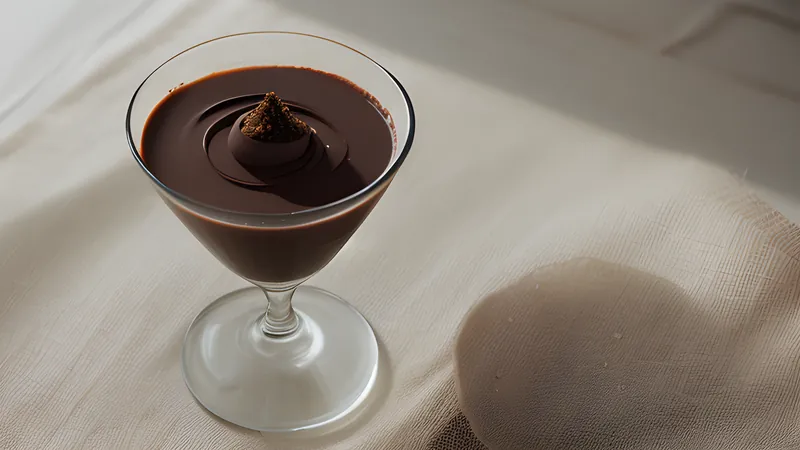
Dark Chocolate Mousse with Espresso and Flaky Salt
Ingredients
- 200g dark chocolate (about 70% cocoa solids), chopped
- 50g unsalted butter
- 1 shot of strong espresso (about 30ml), or 1 tsp instant espresso in 30ml hot water
- 4 large eggs, separated
- 50g caster sugar
- A pinch of fine salt
- 150ml double cream
- Flaky sea salt, to finish
Method
- Melt the chopped chocolate and butter together gently in a heatproof bowl set over a pan of barely simmering water, stirring until smooth.
- Stir the warm espresso into the melted chocolate, then remove from the heat and leave to cool until just warm.
- Beat the egg yolks with half the sugar until pale and slightly thickened, then fold into the cooled chocolate.
- In a clean bowl, whisk the egg whites with the pinch of fine salt until they hold soft peaks, then add the remaining sugar and whisk to firm, glossy peaks.
- In another bowl, softly whip the double cream until it just holds its shape.
- Fold the whipped cream into the chocolate mixture gently to loosen it.
- Fold in the egg whites in three additions, using a light hand to keep as much air as possible.
- Spoon into six glasses or ramekins and chill for at least 4 hours, or overnight, until set.
- Just before serving, finish each with a small pinch of flaky sea salt.
This is the chocolate mousse I keep coming back to: dark and intense, airy enough to feel light despite all that chocolate, and lifted by two clever additions. A shot of espresso deepens the chocolate without making it taste of coffee, and a final pinch of flaky salt at the table makes every spoonful more vivid. It is the classic French separated-egg method, all whisked whites and folded cream, which gives a far more delicate, billowing texture than the dense ganache-style mousses. It looks impressive in little glasses but is genuinely straightforward, and it can be made the day before.
1 The French art of the mousse
Mousse au chocolat is a cornerstone of the French home and bistro repertoire, the sort of dessert that turns up scooped from a big communal bowl at the end of a long lunch. The word mousse simply means foam, and that is exactly what the technique produces: a stable foam of air trapped in chocolate, eggs and cream. The French have been making it since at least the eighteenth century, and the painter Toulouse-Lautrec, an enthusiastic cook, is often credited with popularising a version he called chocolate mayonnaise.
The traditional approach relies on raw eggs, separated so the yolks enrich the chocolate base and the whisked whites provide lift. Whipped cream is a more modern, slightly indulgent addition that softens the texture and tempers the intensity. The result is a mousse that is rich but never heavy, holding its shape yet collapsing softly on the tongue. It is a lesson in how a handful of basic ingredients, handled gently, can become something far greater than their parts.
Coffee and chocolate have a long and happy partnership in French and Italian baking, the bitterness of one amplifying the dark fruitiness of the other. Used sparingly, espresso does not announce itself; it simply makes the chocolate taste more like itself, rounder and more grown-up. Salt does similar work, the modern flourish of a flaky pinch sharpening the sweetness and the cocoa in a way that feels almost addictive.
2 The method, gently does it
The order of operations matters here. Melt the chocolate and butter together over barely simmering water, then stir in the espresso and let it cool to just warm, so it does not scramble the eggs or collapse the cream. Beat the yolks with sugar until pale, fold them in, and you have your base.
The lift comes from two separate aerations. Whisk the egg whites with a little salt to firm, glossy peaks, and softly whip the cream so it just holds. Fold the cream in first to loosen the dense chocolate, then add the whites in three gentle additions. The key word throughout is gently: every heavy-handed stir knocks out the air you have worked to build in. Fold with a large spoon or spatula, turning the bowl, until no streaks remain but no more. Spoon into glasses and chill for at least four hours so it sets to a proper, spoonable firmness.
3 Tips, variations and a note on eggs
Because this mousse contains raw egg, use the freshest eggs you can and avoid serving it to anyone who should steer clear of raw egg, such as pregnant women or the very young. If that is a concern, look for pasteurised eggs.
Choose a chocolate you genuinely enjoy eating, ideally around seventy per cent cocoa solids; much darker and it can turn bitter and grainy, much sweeter and it loses its edge. For variations, a splash of brandy, dark rum or orange liqueur folded into the base is lovely, as is a little grated orange zest. If you would rather skip the coffee, leave it out and add a teaspoon of vanilla instead.
This is the ideal dinner-party pudding precisely because it must be made ahead, needing those hours in the fridge to set. It keeps well for a couple of days, covered. Serve it as it is with that telling pinch of salt, or top with a little softly whipped cream and a few shards of chocolate for something more dressed up.
The one place this mousse can go wrong is the chocolate seizing or the mixture splitting, and both come down to temperature. If the chocolate is too hot when it meets the eggs, the yolks scramble; too cold, and it stiffens into a stubborn paste that refuses to fold smoothly with the airy whites. Aim for warm but not hot, like a comfortable bath, and work quickly and lightly once everything is ready. Get that right and the rest is simply folding, which rewards a calm, unhurried hand more than any special skill.
Related Content