Colcannon: Ireland's Mash with Cabbage and Butter
The mash that earned its own name
Contents
↓ Jump to recipeThere’s a specific kind of Irish family argument about whether colcannon should have cabbage or kale in it, and I’ve learned not to referee it. What everyone agrees on is the well of melted butter in the middle of the bowl — that part is not negotiable, and if you serve colcannon without it, someone’s granny will notice.
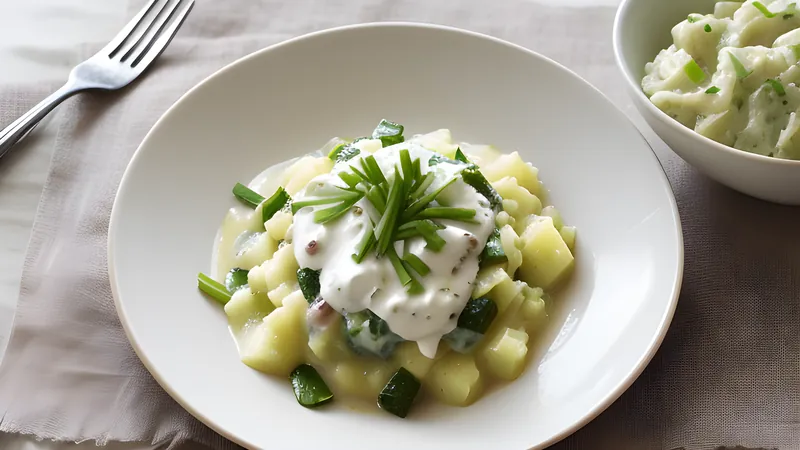
Colcannon is mashed potato that decided it didn’t need to be plain. Fold in tender cabbage and spring onion, loosen the whole thing with warm milk, and finish with more butter than feels reasonable until you’ve tasted it and understood why the quantity is exactly right. It sits at every big Irish family table, from Sunday roasts to Halloween, when it traditionally carried small charms hidden inside for whoever found them — a coin for wealth, a ring for marriage, a thimble for a spinster’s year ahead. The butter deserves its own mention too: Irish butter, Kerrygold being the most widely exported example, tends to carry a noticeably higher butterfat content and a deeper yellow colour than most supermarket butter elsewhere, a direct result of cows grazing on grass for most of the year rather than being fed largely on grain. That extra fat and the beta-carotene from the grass are exactly what make the melted well in the middle of a bowl of colcannon taste as rich as it does — a lower-fat butter will melt into something thinner and less luxurious sitting in that well.
Colcannon: Ireland's Mash with Cabbage and Butter
Ingredients
- 1kg floury potatoes (Maris Piper or King Edward), peeled and cut into even chunks
- 1 tsp salt, plus more for the cooking water
- 300g green cabbage or curly kale, finely shredded
- 6 spring onions, sliced, whites and greens kept separate
- 200ml whole milk
- 100g butter, plus extra for the well
- Freshly ground black pepper
- Small handful chives or parsley, chopped, to finish
Method
- Put the potatoes in a large pan of cold salted water, bring to the boil, and simmer for 15-20 minutes until a knife slides in with no resistance.
- While the potatoes cook, steam or boil the shredded cabbage for 4-5 minutes until just tender, then drain very well, pressing out excess water.
- Warm the milk in a small pan with the spring onion whites over low heat for 3-4 minutes until fragrant, without letting it boil.
- Drain the potatoes and return them to the dry pan over low heat for 1 minute to steam off excess moisture, then mash until smooth.
- Beat in the warm milk and onion mixture, then the butter, until the mash is loose and glossy. Fold through the drained cabbage and spring onion greens.
- Season generously with salt and pepper, spoon into bowls, make a well in the centre of each, and drop in a knob of extra butter to melt before serving.
Why this isn’t just “mash with vegetables in it”
The distinction matters more than it sounds like it should. Bubble and squeak, the English cousin, is built from leftovers fried in a pan until crisp at the edges. Colcannon is made fresh, mashed rather than fried, and the cabbage is folded through hot rather than reheated — the texture stays soft and creamy throughout rather than developing a crust. It’s closer in spirit to French aligot or Scottish rumbledethumps than to a fry-up: a dish built around the potato’s texture rather than a way of using up whatever was left in the pot.
The name itself comes from the Irish cál ceannann, meaning white-headed cabbage, and written references to the dish go back to at least the 18th century — a diary entry from 1735 by the writer Jonathan Swift’s circle mentions “colcannon” being served at a Halloween gathering in Dublin, which is roughly when the dish’s association with the festival seems to have taken hold. Kale would have been the more common green historically, since it survives frost and was often the only fresh vegetable available in an Irish garden through autumn and winter; cabbage became the more common choice as it grew easier to source year-round.
You’ll also see it called “poundies” in parts of Ulster, a name that describes the mashing itself rather than the finished dish — potatoes pounded smooth with a heavy wooden beetle before cabbage or kale went anywhere near them. Halloween in Ireland is still sometimes referred to simply as “colcannon night” in older households, and the charms hidden inside used to come with their own small rhyme recited as the bowl was served, warning whoever found the ring that a wedding was coming within the year and whoever found the thimble that they’d stay single a while longer. The tradition has faded from most modern kitchens, but the dish outlasted the fortune-telling by a wide margin.
The potato matters more than the technique
Use a floury variety — Maris Piper or King Edward in the UK, Russet if you’re working from an American supermarket. Waxy potatoes like Charlotte or new potatoes hold too much moisture and too little starch, and no amount of beating will turn them properly fluffy; you’ll end up with something gluey rather than light. Cut the potatoes into even chunks before boiling so they finish cooking at the same time — a few oversized pieces left slightly underdone will show up as lumps in the final mash, and there’s no fixing that later.
The other trick that separates good mash from great mash is drying the potatoes properly after draining. Return them to the dry, hot pan for a minute over low heat before you mash — the residual heat drives off the surface moisture that would otherwise water down the finished texture and stop the butter and milk from being properly absorbed. Skip this step and even good potatoes turn out slightly wet and heavy rather than light.
How you mash matters almost as much as which potato you start with. A ricer or a food mill gives the lightest, smoothest result because it pushes the potato through fine holes without shearing the starch granules inside each cell, but a sturdy hand masher works fine if you’re careful. What you should never reach for is a food processor: its blade shears the potato so aggressively that it ruptures far more starch granules than a masher does, and once that starch is released into the liquid it turns glue-like as it cools, leaving you with something closer to wallpaper paste than mash. This is the single most common reason a home cook’s mash goes wrong, and it has nothing to do with the potato variety at all.
Cabbage or kale
Both are traditional and the choice really is regional and personal rather than right or wrong. Cabbage gives a milder, sweeter result once cooked; curly kale brings a slightly more mineral, savoury edge and a bit more chew even after boiling. If you use kale, strip the tough central ribs out before shredding — they stay fibrous no matter how long you cook them, and nobody wants to find a woody stem in their mash.
Whichever you choose, don’t skip draining it thoroughly. Cabbage and kale both hold a surprising amount of water after cooking, and folding it into the mash still wet will loosen the texture past the point of a good colcannon into something closer to potato soup. Press it against the side of a sieve with the back of a spoon, or squeeze small handfuls in a clean tea towel, before it goes anywhere near the pan.
Method
Put the potatoes in a large pan of cold salted water — starting them in cold water means they heat through evenly rather than cooking unevenly from the outside in — bring to the boil, and simmer for 15–20 minutes until a knife slides in with no resistance.
While the potatoes cook, steam or boil the shredded cabbage for 4–5 minutes until just tender, then drain very well, pressing out as much excess water as you can. Warm the milk in a small pan with the spring onion whites over low heat for 3–4 minutes until fragrant, without letting it come to a full boil, which can make the milk split slightly.
Drain the potatoes and return them to the dry pan over low heat for 1 minute to steam off excess moisture, then mash until smooth — a ricer gives the silkiest result if you have one, but a sturdy hand masher works fine. Beat in the warm milk and onion mixture, then the butter, until the mash is loose and glossy rather than stiff. Fold through the drained cabbage and the spring onion greens, taking care not to overmix once they’re in, which can turn the cabbage stringy.
Season generously with salt and pepper — mash needs more seasoning than most dishes to taste of anything at all — spoon into warm bowls, make a well in the centre of each with the back of a spoon, and drop in a knob of extra butter to melt slowly as it’s served.
What to serve it with
Colcannon is the classic partner for Irish bacon and cabbage, or for good sausages with a dark onion gravy — the mash is rich enough to hold its own against fatty meat and a peppery sauce. It also sits happily next to my crispy roast potatoes at a bigger spread if you want two potato dishes on the table, which is a perfectly Irish thing to do and nobody will complain. For a lighter match, the charred cabbage in my okonomiyaki shows a completely different way of treating the same vegetable, if you want to see how far cabbage can travel between cuisines.
Storage and reheating
Colcannon keeps in the fridge for up to 3 days in an airtight container, though the cabbage will lose a little of its brightness over time. Reheat gently in a pan over low heat with a splash of milk to loosen it, stirring frequently so it doesn’t catch and scorch on the bottom — mash left unattended over direct heat burns faster than you’d expect.
It doesn’t freeze especially well on its own, since potato mash tends to turn grainy once thawed, but leftovers reheated in a pan with a little extra butter and formed into patties, then fried until golden on both sides, make excellent potato cakes for breakfast the next morning — arguably better than the colcannon was the first time round.
Variations
Some cooks add a generous grating of nutmeg to the milk as it warms, which plays well against the cabbage’s slight bitterness. A stronger, more savoury variation swaps some of the butter for good olive oil and adds a handful of grated mature cheddar, folded through at the same time as the cabbage, for something closer to a cross between colcannon and cauliflower cheese. For Halloween, if you want the tradition properly, wrap a clean coin in greaseproof paper and hide it in one bowl before serving — just warn everyone at the table first.
Related Content