Coconut Sago Pudding with Palm Sugar
Pearled tapioca in coconut cream with dark gula melaka
Contents
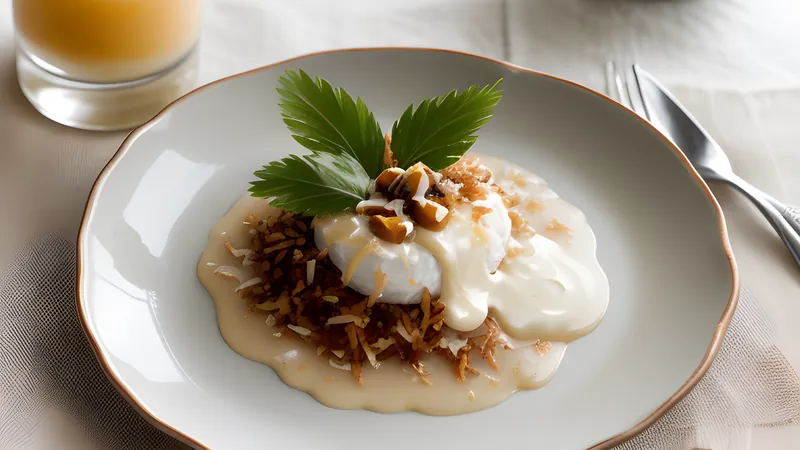
↓ Jump to recipeThis is the pudding I make when I want something that feels both featherlight and deeply comforting, and it happens to be one of the most forgiving desserts in my repertoire. Little glassy pearls of sago suspended in salted coconut milk, drenched in dark, smoky palm sugar syrup: three main ingredients, almost no technique, and a result that tastes far more sophisticated than the effort suggests. Across Southeast Asia it goes by many names, and the version I love most leans hard on good gula melaka, the deep, treacly palm sugar of Malaysia and Indonesia, caramelised until it is almost bitter at the edges.
Coconut Sago Pudding with Palm Sugar
Ingredients
- 100g small sago or tapioca pearls
- 1.2 litres water, for boiling the sago
- 1 x 400ml tin coconut milk
- 100ml coconut cream (from the top of a second tin, or block)
- 0.5 tsp fine salt
- 120g palm sugar (gula melaka), chopped
- 3 tbsp water, for the syrup
- 1 pandan leaf, knotted (optional)
- 2 tbsp desiccated or flaked coconut, toasted, to finish
Method
- Bring the 1.2 litres of water to a rolling boil, rain in the sago pearls while stirring, and boil for 10 to 12 minutes until mostly translucent with a tiny white dot in the centre of each pearl.
- Turn off the heat, cover, and leave to sit for 10 minutes until the pearls are fully clear.
- Drain the sago in a sieve and rinse under cold running water, tossing, until the water runs clear and the pearls are cool and no longer sticky.
- Make the syrup: put the chopped palm sugar and 3 tbsp water in a small pan with the pandan leaf and simmer, stirring, until the sugar melts and the syrup darkens and thickens slightly, about 5 minutes. Discard the pandan.
- Warm the coconut milk with the salt until steaming but not boiling, then take off the heat.
- Fold the drained sago into the salted coconut milk.
- Divide between glasses or bowls, drizzle generously with the warm palm sugar syrup and a spoon of thick coconut cream.
- Scatter with toasted coconut and serve warm or chilled.
Pearls, palms and a shared pudding
Sago and tapioca pearls are often used interchangeably in the kitchen, though they come from different plants. True sago is starch extracted from the pith of the sago palm, a staple across the swampy lowlands of Southeast Asia and the Pacific, while tapioca is starch from the cassava root; both are processed into the same small, hard pearls that turn glassy when cooked. For this pudding either works, and most packets sold as “sago” in Asian grocers are in fact tapioca. What matters is that you buy the small pearls rather than the large bubble-tea ones, which take far longer to cook.
The dish itself belongs to no single country. Malaysia and Singapore have sago gula melaka, served cold with palm sugar and coconut cream; the Philippines has warm, sweet sago in countless guises; Thailand and Vietnam pearl their coconut puddings too. What unites them is the trinity of a starchy pearl, coconut and unrefined palm sugar, and once you have the method you can wander happily between them. If you enjoy this style of pudding you will feel at home with a bowl of Black Sticky Rice Pudding with Coconut or the banana-and-tapioca comfort of Chè Chuối: Vietnamese Banana and Tapioca.
The twist: caramelise the palm sugar
Gula melaka is already extraordinary, dark and smoky with notes of caramel, coffee and dried fruit, quite different from the flat sweetness of refined white sugar. Most recipes simply melt it into a syrup with a splash of water. My small twist is to push it a shade further, simmering it until it darkens and just begins to catch that faintly bitter, caramelised edge, with a knotted pandan leaf steeping in the pan. That extra minute at the stove deepens the smokiness and, crucially, gives the syrup a savoury bitterness that plays against the sweet coconut and the bland, cool pearls. Without it the pudding can slide into one-note sweetness; with it, every spoonful has somewhere to go.
The other detail people underplay is salt in the coconut. Coconut milk warmed with a proper half-teaspoon of fine salt tastes rounder, richer and more like fresh coconut than a timid, saltless version ever will, and it sets up a lovely tension with the dark syrup. It is the same principle that makes salted caramel work, applied to a Southeast Asian pantry.
Cooking the sago well
Sago is easy but it has one non-negotiable rule: plenty of water and a proper boil. The pearls leach a lot of starch as they cook, and in too little water they clump into a gluey mass. Use at least ten times their volume of water, rain them in while stirring so they do not stick to the base, and keep them moving for the first minute. You are looking for the pearls to turn almost completely clear, with just a pinpoint of white starch left at the centre of each; at that point you turn off the heat and let them sit, covered, so the residual heat finishes cooking that last white dot through without overcooking the outsides to mush.
The rinse is the step that separates a clean, jewel-like pudding from a claggy one. Drain the cooked pearls and rinse them thoroughly under cold running water, tossing all the while, until the water runs clear and the surface starch is gone. This stops them from cooking further and keeps them separate and bouncy. Rinsed pearls will firm up and can clump as they sit, so if you have cooked them ahead, a quick refresh under warm water loosens them before you assemble.
Tips, storage and getting ahead
If your palm sugar comes as a solid block or dome, chop or grate it before you melt it, since a whole lump takes an age to dissolve and the outside scorches while the middle is still hard. Strain the finished syrup if there is any grit, as unrefined palm sugar sometimes carries a little sediment. Good gula melaka is worth seeking out from an Asian grocer; the soft, dark cakes have far more character than the pale, dry palm sugar sold for baking.
The components keep separately in the fridge for a couple of days: cooked and rinsed sago in a little water so it does not dry out, syrup in a jar, coconut milk covered. Assemble just before serving, warm or cold. Made ahead and left assembled, the pearls drink up the coconut milk and the pudding stiffens, though a splash more warm coconut milk brings it back. Coconut cream is high in fat and firms up in the fridge, so warm it gently or let it come to room temperature to get that glossy pour.
Coconut milk, and getting the pour right
The coconut you use shapes the whole bowl, so it is worth a moment. A good tinned coconut milk should list coconut extract and water high on the ingredients and carry at least 60 per cent coconut; the watery, cheap tins padded with emulsifiers taste thin and slightly soapy against the dark syrup. I build this pudding in two coconut layers for contrast: a warm, salted coconut milk that loosely bathes the pearls, and a spoonful of thick, unctuous coconut cream draped over the top at the end. That cream is the fatty layer that separates and solidifies at the top of a chilled tin, or you can grate a little from a block of creamed coconut and melt it with a splash of hot water.
The order you assemble in matters more than you would guess. Fold the pearls into the coconut milk while it is still warm and they relax and drink a little of it in, which is what you want; drown them in cold syrup first and they seize and clump. So it goes coconut first, then a generous drizzle of the palm sugar syrup, then the thick coconut cream and the toasted coconut to finish, so each spoonful carries all four things at once.
Variations
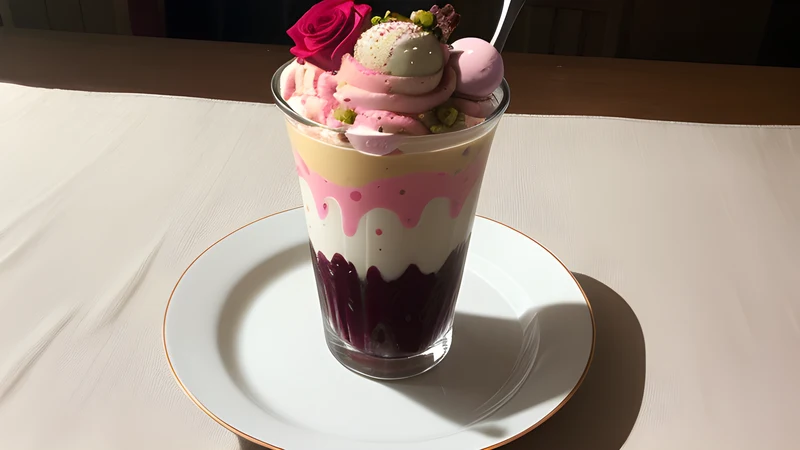
Serve it cold in tall glasses in summer, layering the pearls and coconut so the dark syrup streaks down the sides, or warm in bowls when the weather turns. A ripe mango, diced and folded through, makes it feel like a whole different pudding, as does a handful of sweetcorn, which is a genuinely popular addition across the region and adds a milky, starchy sweetness. For more texture, a spoon of toasted peanuts alongside the coconut is lovely.
You can steep the pandan more assertively by blitzing a couple of leaves with the coconut milk and straining, which turns the base a pale green and lends its grassy, vanilla-like scent. Whichever way you take it, the finish is the same: a good pour of that dark, smoky syrup at the table, so everyone gets to watch it bleed through the pale pearls. It is a humble pudding with a long history in the tropics, and the caramelised palm sugar is what makes people go quiet over their bowls.
Related Content