Cioppino: San Francisco's Tomato Seafood Stew
A tomato-and-wine broth built on the shells you'd usually bin
Contents
↓ Jump to recipeCioppino is the seafood stew that fishermen in San Francisco built out of whatever hadn’t sold at the end of the day, and its name is thought to come from the Ligurian dialect word ciuppin, a fish soup from the Italian coast around Genoa. The Italian immigrants who worked the boats out of North Beach and Fisherman’s Wharf in the late nineteenth century brought that tradition with them and adapted it to the Pacific catch: Dungeness crab, clams, mussels, prawns and whatever firm-fleshed fish came up in the nets. What holds it together is a garlicky tomato-and-wine broth, loose enough to be a soup but built to carry a serious amount of shellfish.
Two things separate a memorable cioppino from a bowl of fish in red sauce. The first is the broth, which needs real depth before a single piece of seafood goes in. The second is timing, because the whole point of the dish collapses the moment the seafood overcooks. Get both right and you have one of the great communal dishes, eaten with your fingers, a pile of empty shells growing in the middle of the table, and a hunk of sourdough doing the work of a spoon.
Cioppino: San Francisco's Tomato Seafood Stew
Ingredients
- 500 g raw shell-on prawns
- 4 tbsp olive oil
- 1 large onion, finely chopped
- 1 fennel bulb, finely chopped, fronds reserved
- 6 garlic cloves, finely sliced
- 1/2 tsp chilli flakes
- 1 tsp fennel seeds, lightly crushed
- 2 bay leaves
- 1 tbsp tomato purée
- 250 ml dry white wine
- 1 x 400 g tin chopped tomatoes
- 400 ml water
- 50 ml Pernod or Ricard (optional)
- 500 g mussels, scrubbed and debearded
- 400 g firm white fish (cod, hake or monkfish), in 4 cm chunks
- 8 raw scallops or 200 g squid rings
- Sea salt and black pepper
- Small handful flat-leaf parsley, chopped
- 1 lemon, in wedges
Method
- Peel the prawns, keeping the shells and heads. Refrigerate the peeled prawns. Heat 1 tbsp of the oil in a large pot and fry the shells over a high heat for 4-5 minutes, pressing them down, until deep pink and smelling toasted.
- Add 400 ml water to the shells, bring to a simmer and cook for 15 minutes. Strain this shellfish stock, pressing the shells hard, and set aside. Wipe the pot clean.
- Heat the remaining 3 tbsp oil in the pot over a medium heat. Add the onion and chopped fennel with a pinch of salt and cook gently for 10 minutes until soft and translucent.
- Add the garlic, chilli flakes, crushed fennel seeds and bay leaves and cook for 2 minutes until fragrant. Stir in the tomato purée and cook for a further minute.
- Pour in the wine, raise the heat and let it bubble for 3 minutes to cook off the raw alcohol. Add the tinned tomatoes, the reserved shellfish stock and the Pernod if using.
- Simmer the broth uncovered for 20 minutes, until slightly reduced and no longer sharp. Season with salt and pepper.
- Add the mussels, cover, and cook for 2 minutes. Add the fish chunks, nestling them into the broth, cover again and cook for 3 minutes.
- Add the peeled prawns and scallops or squid. Cover and cook for a final 2-3 minutes, until the prawns are pink, the fish flakes and the mussels have opened. Discard any mussels that stay shut.
- Taste and adjust the seasoning. Scatter with parsley and the reserved fennel fronds and serve with lemon wedges and bread.
From the Ligurian coast to Fisherman’s Wharf
The word ciuppin in Ligurian means something close to “chopped” or “torn,” a reference to the broken-up scraps of fish that went into the original fishermen’s soup back in Genoa. That dish was pounded and often passed through a sieve into a smooth, rustic base. When Genoese and other Italian fishermen settled around San Francisco Bay in the 1800s, they kept the idea but abandoned the sieve, leaving the shellfish whole and in the shell, which is how cioppino became a stew you eat with your hands rather than a soup you spoon.
There’s a persistent piece of folk etymology that the name comes from fishermen going boat to boat asking others to “chip in” a bit of their catch. It’s a charming story and almost certainly invented after the fact, since the Ligurian ciuppin predates any San Francisco dockside by centuries. The dish became a Wharf restaurant fixture in the early twentieth century, and Dungeness crab, in season through the winter, became its signature. Outside crab season, or outside California, the version you’re far more likely to cook at home leans on mussels, prawns and firm white fish, which is exactly what this recipe does.
The shells are the whole secret
Here is the clever move, and it costs you nothing because you’re throwing the ingredient away otherwise. Buy shell-on prawns, peel them, and before you do anything else, fry the shells and heads hard in a little oil until they turn deep pink and start to smell toasted and sweet. Cover them with water, simmer for a quarter of an hour, and strain. In twenty minutes you’ve made a proper shellfish stock that gives the broth a savoury, briny backbone no amount of tinned tomato can fake.
Prawn shells are packed with flavour compounds that release into fat and water when heated, which is why the browning step matters as much as the simmering one. Raw shells simmered straight in water give a thin, pale liquid; shells caramelised first give a stock with colour and roasted depth. Press the shells hard against the strainer when you drain them to squeeze out every drop. If you can get hold of crab shells, or the heads of langoustines, throw those in with the prawn shells and the stock gets richer still.
Building the broth
With the stock made, the base follows the pattern of most good Mediterranean fish stews. A soffritto of onion and fennel, cooked slowly until soft and sweet, forms the foundation. Fennel matters here: its faint aniseed note is a natural partner to shellfish and echoes the ciuppin tradition, where fennel and its seed were common. Garlic, chilli and crushed fennel seed go in once the vegetables are soft, cooked just long enough to release their aroma without catching and turning acrid.
The wine goes in next and needs a real three minutes at a proper bubble to drive off the raw alcohol, which otherwise leaves a harsh edge. Then the tomatoes, the shellfish stock, and the small optional pour of Pernod that lifts the whole thing with a clean aniseed lift and ties back to the fennel. Simmer this uncovered for a full twenty minutes. Rushing this stage is the most common mistake: a broth that hasn’t reduced and mellowed tastes sharp and thin, and no amount of good seafood will rescue it. You want it slightly thickened, savoury and rounded before anything else joins the pot.
Timing the seafood, which is everything
Different seafood cooks at very different speeds, so they go in staggered, hardest first. Mussels need a couple of minutes to steam open in the broth. Firm white fish in decent-sized chunks needs three or four. Prawns, scallops and squid cook fastest of all and go in last, needing only two to three minutes before they’re done. Add everything at once and you’ll either have raw mussels or rubbery prawns; there’s no single timing that suits them all.
The signs to watch are simple. Prawns turn from grey to opaque pink and curl into a loose C. Squid firms and turns white in seconds and toughens if you push past a couple of minutes. Fish is done the instant it flakes when nudged with a spoon. Mussels are ready when their shells gape open; any that stay firmly shut after cooking should be thrown out, as they were likely dead before cooking. Take the pot off the heat the moment the last addition is done, because the residual heat of the broth keeps cooking everything even off the hob.
What fish to use, and what to swap
The rule for the white fish is firm and thick. Monkfish is the gold standard because it holds its shape and won’t disintegrate; cod, hake, halibut and pollock all work well in generous chunks. Avoid thin, delicate fillets like plaice or sole, which fall apart into shreds. For the shellfish, treat the recipe as a template rather than a fixed list: clams in place of or alongside mussels are traditional and excellent, and if you can get cooked Dungeness or brown crab, crack the legs and add them at the end just to warm through. This dish rewards a mixture, since each component brings a different texture to the bowl.
If you want to stretch the budget, lean harder on mussels and squid, which are cheap, and use a smaller amount of prawns and fish. The broth carries the dish, so even a modest amount of seafood in a good base eats well. For a bouillabaisse-style version with a rouille stirred in, the same broth principles apply, and you can read how the French handle it in Bouillabaisse with Rouille and Croutons.
Serving and bread
Cioppino is a hands-on, bibs-optional affair, and the traditional accompaniment in San Francisco is sourdough, which the city is famous for. A thick slice of chewy, tangy bread is there to mop the broth and pull meat from the shells. Set out a large empty bowl for the shells and plenty of napkins. A crisp white or a light red both work alongside; the same dry white you cooked with is the safe choice.
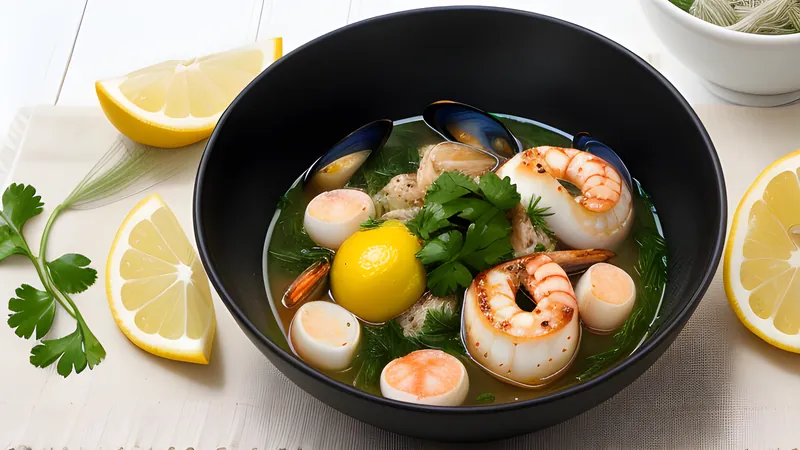
Serve it in wide, shallow bowls so the seafood sits proud of the broth rather than drowning, and ladle carefully to keep the mussels and prawns intact. A final scatter of parsley and the reserved feathery fennel fronds brightens the surface, and a lemon wedge on the side lets each person sharpen their bowl to taste.
Make-ahead and storage
The broth is the part you can and should make ahead. Cook it right through the twenty-minute simmer, then cool and refrigerate for up to two days, or freeze for up to two months; its flavour actually improves overnight as the fennel, tomato and shellfish stock settle together. When you’re ready to eat, bring the broth back to a gentle simmer and cook the seafood fresh, from raw, just before serving.
What you shouldn’t do is cook the whole stew ahead and reheat it, because the seafood turns tough and rubbery on the second heating and the delicate ones like scallops and squid become unpleasant. If you have leftovers of an already-cooked batch, warm them very gently and briefly, accepting that the texture won’t be what it was fresh. For another smoked-fish-and-potato stew that reheats far more forgivingly, see Cullen Skink: Smoked Haddock and Potato.
Related Content