Chole Bhature with Fluffy Fried Bread
Dark, tea-stained chickpea curry and balloons of fried dough
Contents
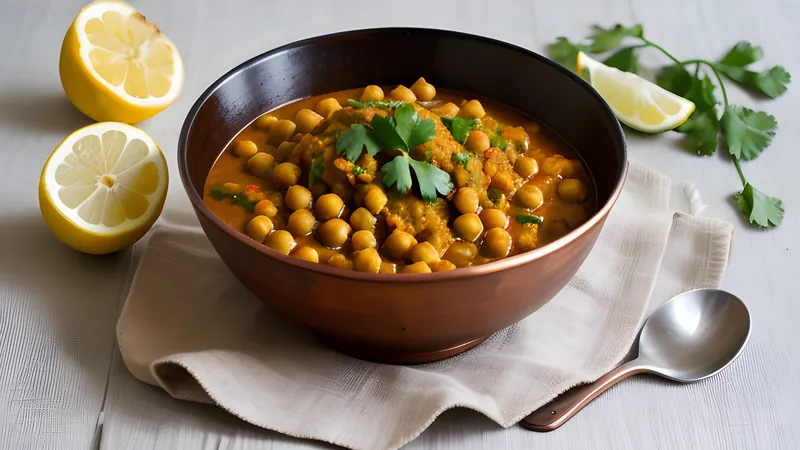
↓ Jump to recipeThere is a particular kind of Sunday hunger that only chole bhature answers. It is a Delhi breakfast, a Punjabi feast, a dish so rich and so gleefully carb-heavy that eating it feels like a small event. Dark, spiced chickpeas the colour of strong tea, and next to them a bhatura the size of your face, puffed into a golden balloon that deflates with a sigh when you tear it. It is generous, unfussy, joyful food.
My one twist here is not really a twist at all, more a piece of old wisdom that most home cooks skip: I cook the chickpeas with black tea. Roadside chole vendors have done this forever to get that deep mahogany colour and faintly tannic backbone, and it makes an enormous difference to a dish that can otherwise look pale and taste flat. Everything else I keep classic, because chole bhature is a set piece and people have opinions.
Chole Bhature with Fluffy Fried Bread
Ingredients
- 250g dried chickpeas (or 2 x 400g tins, drained)
- 2 black tea bags (or 1 tbsp loose tea in a muslin)
- 1 tsp bicarbonate of soda (for dried chickpeas)
- 4 tbsp neutral oil or ghee
- 1 tsp cumin seeds
- 2 bay leaves
- 2 black cardamom pods
- 3 medium onions, finely chopped
- 1 tbsp ginger-garlic paste
- 3 medium tomatoes, blended to a puree
- 2 tsp ground coriander
- 1 tsp ground cumin
- 1 tbsp chole masala (or garam masala)
- 1/2 tsp Kashmiri chilli powder
- 1/2 tsp amchur (dried mango powder)
- Salt to taste
- For the bhature: 300g plain flour, 50g fine semolina, 1/2 tsp baking powder, 1/4 tsp bicarbonate of soda, 1/2 tsp salt, 1 tsp sugar, 4 tbsp plain yoghurt, warm water to bind, oil for deep-frying
Method
- Soak dried chickpeas overnight in plenty of cold water. Drain, then simmer with the tea bags and 1 tsp bicarbonate of soda in fresh water for 45–60 minutes until very tender. Discard the tea; reserve the dark cooking liquid.
- For the bhature dough, mix flour, semolina, baking powder, bicarbonate, salt and sugar. Rub in the yoghurt, then add warm water a little at a time to form a soft, smooth dough. Knead 5 minutes, oil lightly, cover and rest 2 hours in a warm place.
- Heat 4 tbsp oil in a heavy pan. Add cumin seeds, bay leaves and black cardamom; fry 30 seconds.
- Add onions and cook 12–15 minutes to deep brown. Stir in ginger-garlic paste for 2 minutes.
- Add tomato puree and the ground spices. Cook 10 minutes until the oil separates and the masala darkens.
- Add the chickpeas with enough reserved cooking liquid to loosen. Simmer 20 minutes, mashing a few chickpeas to thicken. Stir in amchur and salt.
- Divide the rested dough into 8. Roll each into an oval about 5mm thick.
- Heat oil to 190°C. Slide in one bhatura, press gently under the oil with a slotted spoon until it balloons, then flip and fry until golden, about 1 minute total. Drain and serve hot with the chole.
A dish of two halves
Chole (spiced chickpeas) and bhature (fried leavened bread) come as a pair, but they have different histories. Chana in various forms is ancient across the subcontinent; the specific dark, sour, heavily spiced Punjabi chole is a more modern, urban thing, perfected in the dhabas and halwai shops of Delhi and Amritsar after Partition, when Punjabi cooks reshaped the city’s street food. Bhature belong to the same world of the north Indian halwai, close cousins of the puri but made with a yoghurt-leavened white-flour dough that fries up chewier and more substantial.
Put them together and you have a dish that is unapologetically indulgent, the sort of thing eaten late morning and then slept off. The balance is deliberate: the chole are tangy and dark and spicy, so the plain, faintly sour bread is there to soak them up and cool them down. It is a study in contrast that has kept the pairing alive for generations.
If you enjoy the deep-simmered, buttery register of north Indian pulses, this sits in the same family as dal makhani, which uses black lentils where this uses chickpeas, and it makes a fine partner to something drier like jeera aloo, cumin-fried potatoes if you want to build out a bigger spread.
Getting the chickpeas dark and tender
Start with dried chickpeas if you possibly can. Soaked overnight and simmered slow, they hold their shape while turning properly creamy inside, and the cooking liquid becomes a spiced stock that thickens the final gravy. Tinned chickpeas work in a pinch and I have used them on plenty of weeknights, but you lose that stock and some of the texture.
The tea is the trick. Tie two tea bags into the pot as the chickpeas simmer and they will drink up the tannins and turn a rich brown. A teaspoon of bicarbonate of soda in the water helps the skins soften and speeds the whole thing along. Simmer until a chickpea squashes easily against the roof of your mouth, which is softer than you might think, usually 45 minutes to an hour. Underdone chickpeas never come good later, so do not hurry this.
The masala
The base is the familiar north Indian onion-tomato masala, taken darker than usual. Fry the onions past golden into genuine brown, which is where the colour and depth come from. The black cardamom and bay leaves give that smoky, resinous quality that separates chole from an everyday chickpea curry, so do not swap the black cardamom for green.
Cook the tomato and ground spices until the oil separates, then add the chickpeas and their tea-dark liquid. Now mash a handful of the chickpeas against the side of the pan. This is how you thicken the gravy without flour or cream: the crushed chickpeas melt into the sauce and give it body. Let it simmer 20 minutes so the chickpeas absorb the masala rather than merely sitting in it. Amchur, dried mango powder, goes in near the end for that essential sourness. If you cannot find it, a squeeze of lemon or a little tamarind does a similar job.
Bhature that actually puff
The bread frightens people, but the mechanics are simple. The dough needs three things to balloon: gluten, leavening and rest. Semolina alongside the flour gives structure and a slight chew; yoghurt, baking powder and a little bicarbonate provide the lift; and a two-hour rest in a warm place lets the dough relax and the leavening get going, so it rolls out without fighting back and puffs on contact with hot oil.
Roll each piece to an even 5mm. Uneven thickness is the usual reason a bhatura refuses to puff, because thin patches cook before steam can build. The oil should be at 190°C, hot enough that the dough sizzles up immediately. Slide the bhatura in and, crucially, spoon hot oil over the top or press it gently under the surface with a slotted spoon. That brief submersion traps steam inside and inflates it like a balloon. Flip once it is golden, give it a few more seconds, and lift it out.
Fry them one at a time and eat them straight away. Bhature wait for no one; a balloon that sits for ten minutes deflates into a chewy flatbread that is still tasty but not the showstopper it was thirty seconds out of the pan.
Tips, swaps and make-ahead
- Make the chole ahead. The curry is better the next day and keeps three days in the fridge, or freezes for two months. Reheat with a splash of water. The dough is best made fresh, though it will hold a few hours in the fridge if you bring it back to room temperature before rolling.
- No black cardamom or chole masala? A good garam masala plus an extra bay leaf gets you most of the way. Chole masala blends usually include anardana (pomegranate seed) and dried herbs for extra tang and colour.
- Colour without tea. A spoon of the reserved liquid from a tin of chickpeas plus a little extra chilli powder helps, but genuinely, the tea is worth it.
- The classic garnish. Sliced raw onion, a wedge of lemon, green chillies and a few coriander leaves. Some cooks add ribbons of fresh ginger fried crisp on top.
- Safe frying. Never fill the pan more than a third with oil, keep a lid nearby, and dry your hands before you go near it.
Serve the chole in a wide bowl, dark and glossy, with a bhatura balanced on the rim and the onions and lemon alongside. It is a weekend project rather than a weeknight fix, but the first bite, hot dough dragged through tea-dark chickpeas, is the kind of thing that makes an afternoon.
Two variations worth knowing
If you find yourself making this often, learn its cousins. Pindi chole (Rawalpindi style) skips the tomato almost entirely and leans on tea, pomegranate seed and a heavier hand of whole spices, giving an even darker, drier, more austere chickpea that many people prefer. Amritsari chole goes the other way, richer and gravier with a generous slick of ghee. And if you want the bread without deep-frying on a weeknight, the same dough baked hot makes a passable naan-adjacent flatbread, though it will never balloon the way a bhatura does in oil. Once the base masala is second nature, you can slide between all three without a recipe in front of you.
Related Content