Dark Chocolate and Beetroot Cake with Crème Fraîche
An impossibly moist chocolate cake with a secret root underneath
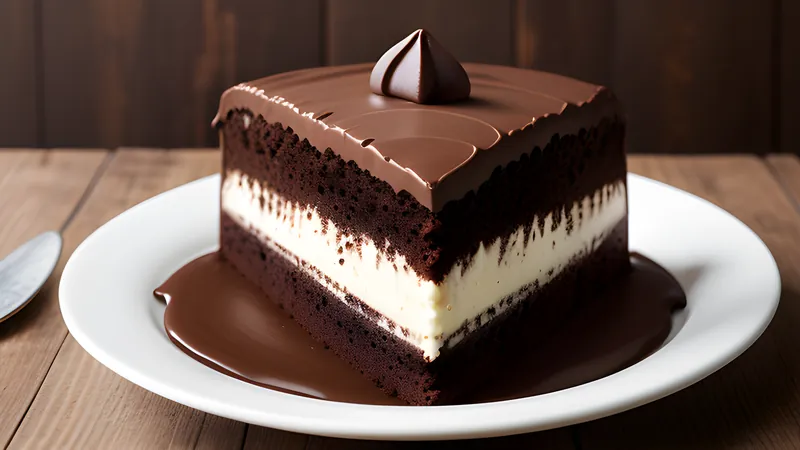
Dark Chocolate and Beetroot Cake with Crème Fraîche
Ingredients
- 250g (about 2 medium) raw beetroot, peeled
- 200g (7oz) dark chocolate (70%), chopped
- 150g (⅔ cup) unsalted butter
- 4 large eggs
- 200g (1 cup) light brown sugar
- 100g (¾ cup plus 1 tbsp) plain flour
- 50g (½ cup) cocoa powder
- 1 tsp baking powder
- ¾ tsp fine sea salt
- 1 tsp instant espresso powder
- 200g (¾ cup) crème fraîche, to serve
- Cocoa or grated chocolate, to finish
Method
- Heat the oven to 180C/160C fan/350F. Grease and line a 23cm round tin.
- Grate the raw beetroot finely, or blitz to a rough purée in a processor.
- Melt the chocolate and butter together gently and let cool slightly.
- Whisk the eggs and brown sugar until thick and pale, 3-4 minutes.
- Fold in the melted chocolate, then the grated beetroot.
- Sift in flour, cocoa, baking powder, salt and espresso powder and fold until just combined.
- Bake 35-40 minutes until set with a slight wobble at the centre. Cool in the tin.
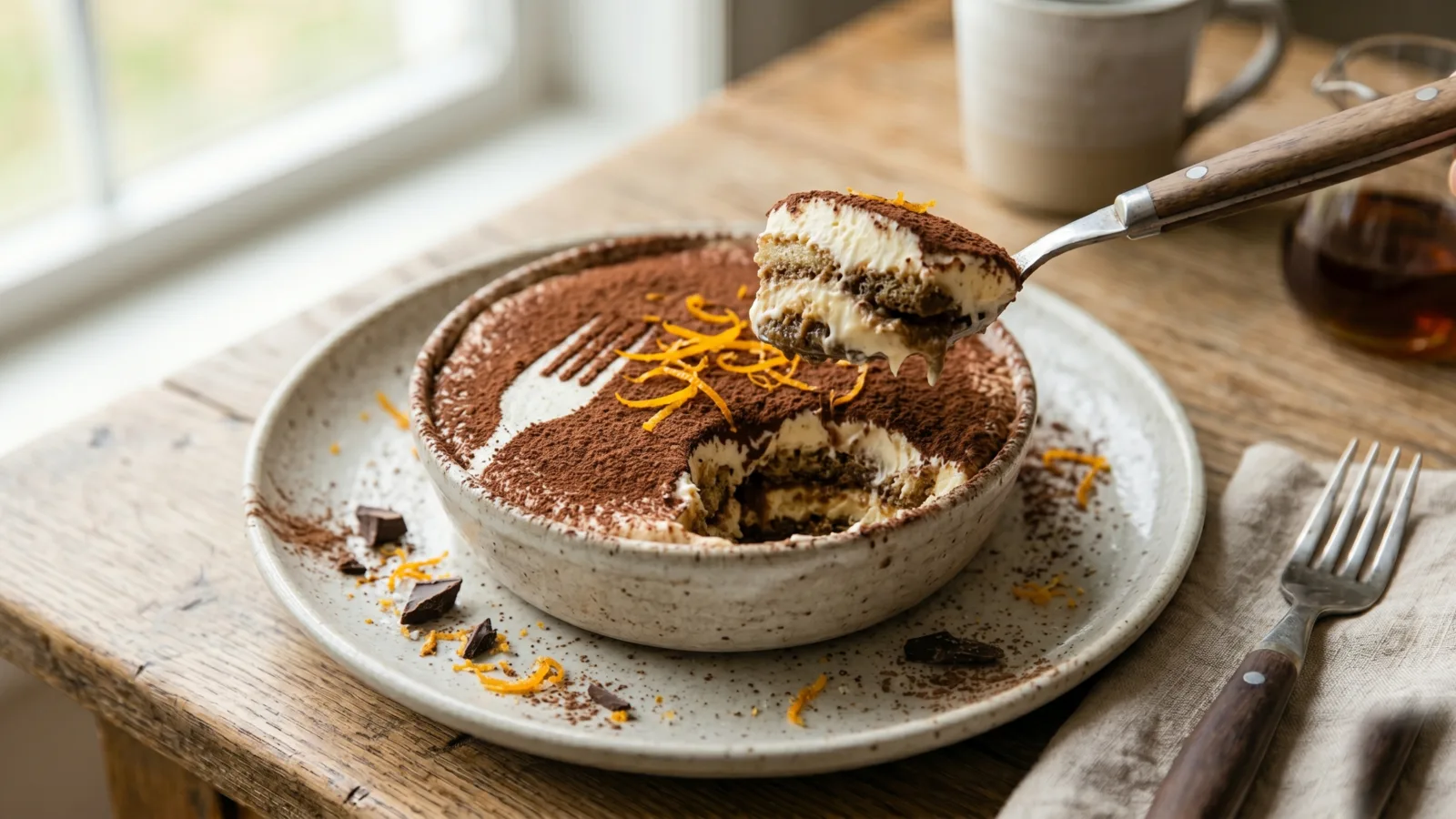
- Dust with cocoa and serve in slabs with a spoonful of cold crème fraîche.
I know how this sounds. Beetroot, in a cake, sold to you by someone who promises you won’t taste it. Everyone has been burned by a “healthy” chocolate cake that turned out to taste virtuous and faintly of mud. So let me be honest with you straight away: you will, faintly, taste the beetroot. Not as beetroot exactly, but as a deep, earthy, almost wine-like undertone that makes the chocolate taste more like chocolate. This is not a swindle to sneak vegetables past children. It’s a genuinely better chocolate cake.
1 The case for the beetroot
Beetroot does two things here, and the first is purely textural. Raw, grated beetroot is roughly half water, and as the cake bakes that moisture is released slowly into the crumb, giving you a cake that is dense and damp in the best possible way — closer to a brownie’s interior than a fluffy sponge. It also keeps that way for days. A plain chocolate sponge is stale by Wednesday; this one is arguably at its peak.
The second thing is flavour, and this is the interesting part. Beetroot’s earthiness sits in exactly the same register as the darker, more savoury notes in good chocolate. The two reinforce each other. The cake reads as profoundly, almost broodingly chocolatey, and people rarely guess why. That’s the trick: not hiding the beetroot, but using it to amplify what the chocolate is already doing.
2 My one clever twist: a spoonful of espresso
Bakers have paired coffee and chocolate forever, but here the espresso powder is doing something specific. Beetroot can have a slightly metallic edge if you’re sensitive to it; a teaspoon of instant espresso rounds that off and bridges the earthiness of the root with the bitterness of the cocoa. You won’t taste coffee as coffee — you’ll just notice that everything tastes deeper and more resolved. If you keep espresso powder in the cupboard for exactly this reason, as I do, you’ll find it earns its place.
Use the best dark chocolate you can justify, somewhere around 70 per cent. Anything sweeter and the cake tips towards cloying; anything darker and it can turn dry and chalky. And use light brown sugar rather than white — its faint molasses note is one more layer of that low, earthy hum the whole cake is built on.
3 Method notes that matter
The beetroot must be raw and finely grated, not cooked. Pre-cooked, vacuum-packed beetroot (the kind that comes in plastic, often in vinegar) is the wrong thing entirely — it’s too wet, often sweetened or pickled, and it’ll skew the flavour. Peel a couple of raw beets, grate them on the fine side of a box grater or pulse them in a processor, and accept that your fingers will be pink for an hour. It’s a small price.
Don’t overbake. The single most common way to ruin this cake is to treat it like an ordinary sponge and cook it until a skewer comes out perfectly clean. Pull it while the centre still has a faint wobble and a few moist crumbs cling to the skewer; it firms up considerably as it cools in the tin. An overcooked beetroot cake loses the whole point — that fudgy, damp middle — and becomes merely a decent chocolate cake.
4 Why crème fraîche, and not frosting
I leave this cake almost naked: a dust of cocoa, and a generous spoonful of cold crème fraîche on the side. It’s tempting to slather it in ganache, but the cake is so rich and dense that a heavy frosting tips it over into too-much. The crème fraîche does the opposite — its sharp, cool sourness cuts straight through the density and resets your palate for the next bite. Lightly sweetened mascarpone or even plain Greek yoghurt would do the same job.
Cut it into proper slabs rather than dainty slices; this is a cake that wants to be eaten with intent, ideally on a grey afternoon with a pot of strong tea. If you have any left the next day — and you might not — it will be even better, the beetroot and chocolate having settled into each other overnight into something dark and whole and quietly impressive.
Related Content