Chicken Karaage, Double-Fried, Ginger-Soy
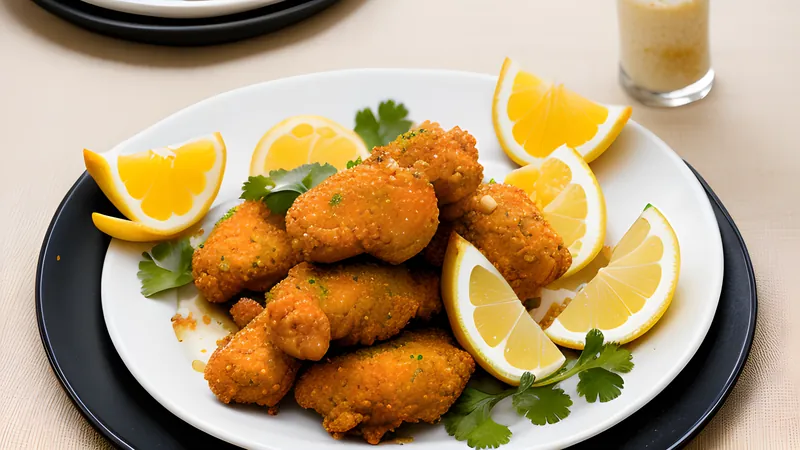
A second dip in hot oil is what gives karaage its glassy, shattering crust
Contents
↓ Jump to recipeKaraage is Japan’s answer to fried chicken, marinated in soy, ginger and garlic and fried in bite-sized pieces rather than on the bone, and the double-fry is what separates a good version from a great one. Fried once, karaage is fine — tender, well-seasoned, a bit soft at the edges within minutes of leaving the oil. Fried twice, with a rest in between, the crust turns thin, glassy and genuinely crisp, and it stays that way long enough to actually enjoy at the table. The ginger-soy marinade does the flavour work; the second fry is what makes the texture worth the extra ten minutes.
Chicken Karaage, Double-Fried, Ginger-Soy
Ingredients
- 800g boneless chicken thighs, skin on, cut into 4-5cm pieces
- 3 tbsp soy sauce
- 2 tbsp sake
- 1 tbsp finely grated ginger, with its juice
- 2 garlic cloves, finely grated
- 1 tsp sesame oil
- 1 tsp caster sugar
- 100g potato starch or cornflour, for dusting
- Neutral oil, for deep-frying (about 1 litre)
- 1 lemon, cut into wedges, to serve
- 2 spring onions, finely sliced, to serve
- 1 tsp toasted white sesame seeds, to serve
- Japanese mayonnaise, to serve
Method
- Pat the chicken thighs dry and place in a bowl with the soy sauce, sake, grated ginger and its juice, garlic, sesame oil and sugar. Mix well to coat every piece.
- Cover and marinate in the fridge for at least 30 minutes, or up to 8 hours for a deeper flavour.
- Lift the chicken from the marinade, letting excess liquid drip off, and discard the marinade.
- Toss the pieces in the potato starch, coating thoroughly, then shake off any loose excess.
- Heat the oil in a deep, heavy pan or wok to 160C.
- Fry the chicken in batches of 5-6 pieces for 3 minutes, turning once, until pale gold and just cooked through. Remove to a wire rack and rest for 5 minutes.
- Raise the oil temperature to 190C.
- Return the rested chicken to the oil in the same batches and fry for a further 60-90 seconds, until deep golden-brown and audibly crackling.
- Drain on the wire rack, not paper, so steam escapes and the crust stays crisp.
- Pile onto a plate, scatter with spring onion and sesame seeds, and serve at once with lemon wedges and mayonnaise.
A Kyushu import that became a national staple
Karaage as a category simply means “food fried without a wet batter”, usually dusted in flour or starch rather than dipped in egg and breadcrumbs the way tonkatsu is. Chicken karaage specifically traces its popularity to Kyushu, the southern Japanese island, and in particular the city of Nakatsu in Ōita Prefecture, which still markets itself as the spiritual home of the dish and hosts an annual karaage festival. From there it spread nationwide through the postwar decades, helped along by the same wave of poultry farming expansion that made chicken an everyday protein in Japan rather than an occasional one. It settled into its current role as an izakaya staple, sold by weight from bakeries and supermarket delis, and packed into bento boxes cold, where it holds its texture far better than most fried foods because of exactly the double-fry technique used here.
Nakatsu takes the claim seriously: the city runs an annual Karaage Festival, and the surrounding “Karaage Kaido” — a stretch of road threading through Nakatsu and neighbouring towns — is lined with more than sixty specialist karaage shops, each guarding its own marinade recipe. The national competition scene backs the claim up further; the Japan Karaage Association, founded in 2009, runs a yearly “Karaage Grand Prix” judged on crust, juiciness and marinade balance, and Ōita Prefecture shops routinely place. None of that proves karaage began there in any single, documented moment — fried chicken dishes existed elsewhere in Japan earlier — but Nakatsu’s density of dedicated shops and its decades of civic promotion are why the association between the city and the dish has stuck so firmly.
Karaage occupies a slightly different lane to Korean fried chicken, which usually gets a thicker batter and a sticky glaze brushed on after frying, or to katsu, which is breaded in panko and served whole rather than cut into pieces. Karaage’s appeal is its restraint: a thin starch coating, a marinade that seasons the meat all the way through rather than just the surface, and a crust engineered to crackle rather than crunch.
Why the second fry matters
The physics of frying is really a fight against steam. As chicken cooks, moisture inside the meat turns to vapour and pushes outward through the coating, which is exactly what keeps a single-fried crust from ever getting properly crisp — that outward pressure of steam softens the coating from the inside as fast as the oil is trying to crisp it from the outside. The first fry here, at a moderate 160C, is really about cooking the chicken through gently without over-browning the coating, while giving the exterior just enough structure to hold its shape. Resting the chicken on a wire rack afterwards lets residual heat finish carrying the interior to a safe, juicy done-ness while a good deal of that surface steam escapes into the air rather than staying trapped against the crust.
The second fry, at a hotter 190C, is short and violent by comparison — 60 to 90 seconds is enough. By this point the interior is already cooked, so all that heat goes into flash-drying and hardening the coating rather than fighting steam from the inside. Potato starch is worth seeking out over plain cornflour or wheat flour here: it fries to a distinctly glassier, more brittle crust with less of the flour’s tendency to turn doughy if it sits even briefly. The combination — starch coating, two-stage fry, rack rather than paper towel to drain — is the entire trick. Skip any one step and you get chicken that is merely good.
A meat thermometer is the surest check on the first fry — the thickest piece should read at least 74C before it comes off the heat — but the visual cue is nearly as reliable: the pale golden coating should look matte and set rather than wet or translucent, and the chicken should feel firm, not springy, when pressed with a spatula.
The marinade, and getting it right
Grating the ginger and garlic rather than mincing them matters more than it sounds like it should: grating ruptures more cell walls and releases more juice and aromatic oil directly into the marinade, so the flavour penetrates the meat rather than sitting as gritty bits on the surface. Thigh meat, skin on, is non-negotiable for the best results — breast dries out too readily under double-frying’s aggressive heat, while thigh’s higher fat content keeps it juicy through both passes in the oil. Cut the pieces reasonably uniform, 4 to 5cm, so they cook at the same rate; anything smaller risks drying out before the crust sets, anything much larger will not cook through in the marinade-appropriate frying windows above.
Marinating for at least 30 minutes lets the salt in the soy sauce start drawing moisture and flavour into the meat; leaving it up to 8 hours in the fridge deepens that further without the meat turning mushy, since there is no acid strong enough here to break down the proteins the way a citrus marinade would.
Potato starch, katakuriko in Japanese, is sold in most East Asian and Japanese grocers, often shelved near the rice flour, and it is worth the short trip: it is a genuinely different starch from the potato starch sold in Western baking aisles for thickening, which can fry up gluier and less brittle. Regular soy sauce (koikuchi) is what most bottles simply labelled “soy sauce” will be, and it is what this marinade is built around; usukuchi, the lighter-coloured, saltier soy sauce used in Kansai cooking, works too but needs a slightly lighter hand, since it carries more concentrated salt despite the paler colour. Sake can be swapped for a dry white wine in a pinch, though the result reads a touch sharper rather than rounded.
Oil temperature is worth checking with a thermometer rather than guessing from bubbles alone, particularly for the second fry — a few degrees either side of 190C makes a real difference to how the crust behaves. Too cool, and the coating absorbs oil rather than flash-drying, leaving it greasy instead of glassy. Too hot, and the starch can scorch in the 60 to 90 seconds it takes to crisp, tipping bitter before the colour even looks fully done. If you fry in batches, let the oil recover fully back to temperature between each one; dropping cold, marinated chicken straight into a full pot drops the oil’s heat sharply, and a pan crowded with pieces cooling the oil is the single most common reason home-fried karaage turns out soft rather than crisp.
Tips, substitutions and storage
If potato starch is not available, cornflour works as a substitute, though the crust will be slightly softer and a shade less translucent — a 50/50 blend of cornflour and plain flour is a reasonable middle ground if that’s what’s in the cupboard. Boneless, skin-off thighs are fine too; the skin adds extra crunch and flavour but is not essential to the double-fry method working.
Karaage keeps well, which is part of its cultural role as bento filling. Cooled completely and stored in an airtight container in the fridge, it holds for up to 2 days; reheat in a 200C oven or air fryer for 5 to 6 minutes to bring the crust back rather than microwaving, which turns it soft. It also genuinely holds up eaten cold, straight from the fridge, in the traditional bento style — the double-fried crust stays crisper cold than a single-fried version ever would warm.
Variations
For a spicier version, add half a teaspoon of shichimi togarashi to the marinade and dust a little more over the finished chicken. A citrus variation swaps a tablespoon of the soy sauce for fresh yuzu juice, which brightens the whole dish considerably and pairs well with the lemon wedges already in the recipe. If you want a lacquered finish rather than a plain crisp one, brush the fried chicken lightly with a mix of 1 tablespoon soy sauce, 1 tablespoon mirin and a teaspoon of honey warmed together, though be aware this softens the crust slightly within a few minutes, so serve straight away.
Karaage sits happily on a table alongside other double-cooked, crust-forward dishes — the charred-and-crisp instincts here are close in spirit to okonomiyaki with charred cabbage and bonito butter, and if it’s fried chicken you’re after with a stickier, chilli-forward finish, Korean fried chicken is worth putting on the same night’s menu for comparison. Once the double-fry method clicks, it is hard to go back to a single pass in the oil for any fried chicken.
Related Content