Charred Hispi Cabbage with Anchovy Butter
Wedges blackened at the edges, basted until they slump
Contents
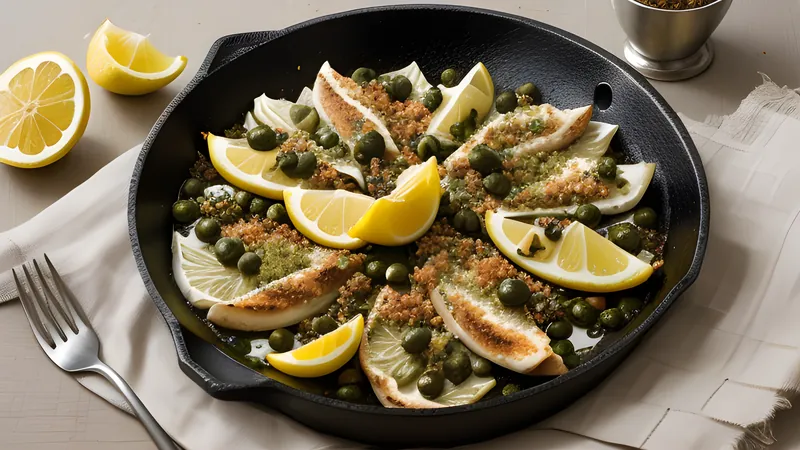
↓ Jump to recipeI used to think cabbage was something you endured on the way to the good part of the plate, a boiled green afterthought that turned up next to the roast and got left at the edge. Then I started treating it like meat, searing wedges hard in a smoking pan until the outer leaves blackened and frilled, and the whole thing changed. Charred hispi has become the vegetable I actually look forward to, and the anchovy butter is the reason it disappears fastest of anything I put on the table.
Charred Hispi Cabbage with Anchovy Butter
Ingredients
- 1 large or 2 small hispi (pointed) cabbages
- 2 tbsp olive oil
- 80g butter, softened
- 6 anchovy fillets in oil, finely chopped
- 2 garlic cloves, crushed
- 1 tsp lemon zest, plus the juice of half a lemon
- 1 tbsp capers, roughly chopped
- Black pepper, to taste
- 2 tbsp panko or coarse breadcrumbs
- 1 tbsp chopped parsley, to finish
Method
- Preheat the oven to 220C fan and set a rack near the top. Trim the base of each cabbage, remove any tatty outer leaves, and cut through the core into wedges about 4cm thick at the outer edge, keeping the core intact so the leaves stay attached.
- Heat a large ovenproof frying pan or roasting tray over high heat, add the olive oil, and sear the wedges cut-side down for 3 to 4 minutes each side until deeply browned and charred at the frilly edges.
- Meanwhile, mash the softened butter with the chopped anchovies, crushed garlic, lemon zest and a good grind of black pepper until smooth.
- Spoon or brush half the anchovy butter over the seared wedges, scatter with the capers, and transfer the pan to the oven for 12 to 15 minutes, until a knife slides easily into the core.
- Dot with the remaining butter, scatter the breadcrumbs over the top, and grill for 2 to 3 minutes until the crumbs are golden and the edges blackened. Finish with lemon juice and parsley, and serve straight from the pan.
Hispi, and why the shape matters
Hispi cabbage, also sold as pointed, sweetheart or cœur de bœuf cabbage, is the conical, loose-headed green that appears in British and European greengrocers from late spring onward. It is sweeter and more tender than a tight-packed white or Savoy, with thinner leaves and a shorter, milder core, which is exactly what makes it right for this treatment. Cut into wedges through that core, it holds together on the heat instead of falling into separate leaves, so you get a compact fan of leaves that chars on the outside and steams to silk in the middle.
The variety earns its name from its shape and its behaviour under heat. Because the head is loose and pointed, the outer leaves splay and frill at the edges, and those thin frills are where the char happens: dark, crisp, faintly bitter, the vegetable equivalent of the crackling on a joint. A dense white cabbage can be charred too, but its tight leaves resist the heat and take much longer to soften through, so if that is all you can find, cut the wedges thinner and give them longer in the oven.
Anchovies as quiet seasoning
The instinct of most people who “don’t like anchovies” is that they will taste a plate of fish. They will not. Anchovy fillets are cured in salt, and when they melt into hot butter they break down completely into glutamate-rich savouriness, the same umami depth that Worcestershire sauce, Parmesan and soy all trade on. What you taste is a deep, round, roasted-savoury note that makes the cabbage taste more of itself, with none of the fishiness people brace for. This is the same logic behind a Caesar dressing or a Provençal anchoïade, where the fish is a background engine rather than a flavour anyone can name.
Melted into butter with garlic and lemon zest, anchovy becomes a basting sauce that soaks down into every layer of a charred wedge. The lemon zest keeps it bright, the garlic gives it warmth, and the capers I scatter over add sharp little bursts of brine that stop the richness settling into one flat note. If you genuinely cannot have anchovies, a tablespoon of white miso beaten into the butter gives a comparable savoury depth from an entirely different larder.
Getting a real char
Charring is not the same as roasting, and the difference is heat and patience in the first minute. The pan has to be properly hot before the cabbage goes in, hot enough that the cut face sizzles hard on contact, and then you have to leave it alone. The temptation to lift and peek is what stops most home cooks getting colour; the wedge needs three or four uninterrupted minutes flat against the metal to develop that dark, blistered crust. Move it too early and you get grey-green steam-cooked cabbage with pale patches.
I use a heavy cast-iron pan or a solid roasting tray on the hob, get the oil shimmering, and press each wedge down with a fish slice so the whole cut face makes contact. Once one side is deeply browned I turn it, char the other cut face, and only then reach for the butter and the oven. The searing builds the flavour; the oven finishes the cooking, softening the dense core that a pan alone would never reach without burning the outside. That two-stage approach, hard sear then gentle oven, is worth borrowing for any large, dense vegetable you want both caramelised and cooked through.
Method, step by step
Heat the oven to 220C fan and set a rack near the top for the grill finish. Trim the very base of the cabbage but leave the core, pull off any bruised outer leaves, and cut down through the core into wedges roughly four centimetres thick at the wide edge. Keeping the core in each wedge is what holds the leaves together, so do not trim it away.
Set a large ovenproof frying pan or roasting tray over high heat and add the olive oil. When it shimmers, lay the wedges cut-side down and sear, undisturbed, for three to four minutes until the underside is deeply browned and the edges have blackened. Turn and repeat on the second cut face. While they sear, mash the softened butter with the chopped anchovies, crushed garlic, lemon zest and plenty of black pepper into a smooth paste.
Spoon half the anchovy butter over the seared wedges so it starts to melt into the leaves, scatter over the chopped capers, and slide the pan into the oven for twelve to fifteen minutes. Test the core with the tip of a knife; it should slide in with almost no resistance. Dot the remaining butter over the top, scatter with the panko, and move the pan under a hot grill for two or three minutes until the crumbs are golden and the frilled edges have gone properly dark. Squeeze over the lemon juice, scatter with parsley, and bring the pan to the table.
What can go wrong, and fixes
Pale, floppy wedges mean the pan was not hot enough or you turned them too soon; next time, wait for a genuine sizzle and give each face its full four minutes. A raw, squeaky core means the wedges were too thick or the oven stage too short, so cut them slimmer or give them another five minutes covered loosely with foil. If the anchovy butter tastes sharp or too salty, you have used anchovies that were heavily salted; balance it with a little extra butter and hold back any added salt, since the fish and the capers bring plenty.
Storage, make-ahead and variations
The anchovy butter can be made days in advance and kept in the fridge, or rolled into a log and frozen to slice off as needed; it is worth doubling, since it is extraordinary melted over steak or stirred through boiled new potatoes. The cabbage itself is best fresh, but leftovers reheat well in a hot oven for eight minutes, spread out so the edges re-crisp rather than steam.
This sits beautifully on a plate with roast chicken or a piece of grilled fish, where the anchovy note echoes the main. For a bigger vegetable spread, serve it alongside tenderstem with garlic, chilli and lemon for two greens that both lean on char and acidity, or with whole roasted cauliflower with green tahini for a table that puts vegetables at the centre. If you want the same savoury-brine idea in a lighter, cold form, my salade niçoise with seared tuna and anchovy trades the same anchovy backbone into a summer plate. For a smokier version, add half a teaspoon of smoked paprika to the butter; for extra crunch and heat, finish with toasted breadcrumbs fried in chilli oil.
Related Content