Chai Concentrate: Brewed Slowly, Kept in the Fridge, Better Than a Café
a jar of warmth waiting in the door of the fridge
Chai Concentrate: Brewed Slowly, Kept in the Fridge, Better Than a Café
Ingredients
- 1 litre (4 cups) water
- 8 black tea bags, or 4 tbsp loose-leaf Assam
- 10 green cardamom pods, lightly crushed
- 2 cinnamon sticks
- 8 whole cloves
- 10 black peppercorns
- 1 star anise
- 1 thumb-sized piece fresh ginger, sliced
- 100 g (1/2 cup) caster sugar, or to taste
- 1 tsp vanilla extract (the twist)
- Pinch of fine salt
- Milk, to serve
Method
- Lightly crush the cardamom, peppercorns and cinnamon in a mortar so the spices open up.
- Bring the water to the boil with all the whole spices and the sliced ginger, then turn down to the gentlest simmer.
- Simmer uncovered for 30–40 minutes until the kitchen smells like a chai stall and the liquid has reduced by about a third.
- Take off the heat, add the tea, and steep for 8 minutes — no longer, or it turns bitter.
- Strain through a fine sieve, pressing the spices to squeeze out every drop.
- Stir in the sugar, salt and vanilla while still warm until dissolved.
- Cool completely, then decant into a clean jar or bottle and refrigerate.
- To serve, mix one part concentrate with one part hot milk and heat through; adjust to taste.
I have made chai the proper way exactly twice in my life — standing over a pan first thing in the morning, crushing cardamom while still half-asleep, waiting for that single rolling boil where the milk threatens to climb out of the saucepan. Both times it was wonderful. Both times I thought, I will never do this on a weekday again. And I didn’t. The café down the road got my money instead, three quid a cup, foamed by a machine, vaguely cinnamony, mostly disappointing.
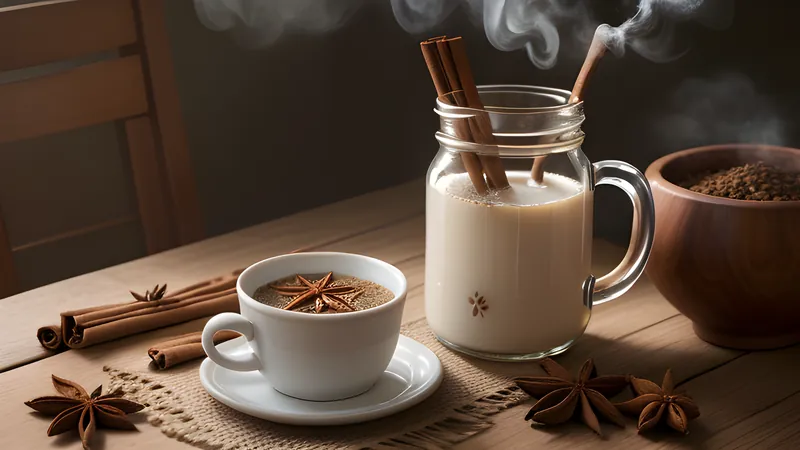
The fix turned out to be the most boring kitchen trick there is: make it once, keep it in the fridge. A jar of chai concentrate sitting in the door means a genuinely good cup of chai is forty seconds away — splash into a mug, top with hot milk, done. It is the single most useful thing I batch-cook, and it has quietly ended my café habit.
1 What chai actually means
A quick note, because it bothers me. “Chai” simply means tea — so “chai tea” is “tea tea,” which makes every tea-drinker in South Asia wince. The drink we are after is masala chai: spiced milk tea, brewed strong, sweetened, and utterly woven into daily life across the Indian subcontinent. It is sold from kettles on railway platforms, poured theatrically between two pots to cool and froth it, and drunk in tiny glasses dozens of times a day.
There is no single recipe. Every household, every street vendor, every grandmother has a ratio, and they will all tell you theirs is correct. The constants are black tea (Assam, for that brisk maltiness), cardamom (non-negotiable — it is the soul of the thing), and the milky-sweet finish. Everything else is yours to argue about.
2 The slow brew, and the one clever twist
Most home recipes rush the spices: throw everything in, boil for five minutes, strain, drink. You get tea that tastes of spices but not infused with them. The difference here is time. You simmer the whole spices in plain water for the better part of an hour before the tea ever goes in. That long, patient extraction pulls the resinous depth out of the cinnamon and cloves and the perfumed top notes out of the cardamom in a way a quick boil simply cannot.
The twist is a teaspoon of vanilla. It sounds wrong — vanilla is not a traditional chai spice — but it does something sly. It rounds off the sharp edges of the clove and pepper and gives the whole concentrate a soft, almost caramel backbone that makes shop-bought versions taste thin by comparison. People can never name it; they just say your chai tastes “richer.” A pinch of salt does the same quiet work, lifting the sweetness without anyone noticing it is there.
Crush your whole spices first. Not to powder — just a light bash in the mortar to crack them open. Whole spices that are still sealed give you a fraction of their flavour; cracked ones bloom. And go easy on the cloves and pepper. They are the bullies of the spice rack and will dominate everything if you let them.
3 Getting the tea right
Add the tea after you take the pan off the boil, and steep it for no more than eight or nine minutes. This is where most people go wrong. Black tea boiled hard for twenty minutes releases a wave of tannins that no amount of sugar will tame — you end up with something astringent that dries your mouth out. A short, off-the-heat steep gives you all the strength and colour you want without the bitterness. Strain promptly, press the leaves, and you are most of the way there.
Sweeten while it is still warm so the sugar dissolves cleanly. I use caster sugar, but jaggery is gorgeous if you can get it — it brings a smoky, molasses note that suits the spices beautifully. Adjust to your taste, remembering the concentrate will be cut roughly half-and-half with milk, so it should taste a touch too strong and too sweet straight from the jar.
4 Keeping it, and serving it
Cooled and bottled, the concentrate keeps happily in the fridge for about a week, often longer. The flavour actually improves for the first day or two as the spices settle. Shake before pouring.
To serve, my default is one part concentrate to one part milk, warmed in a small pan or the microwave. Whole milk is best; the fat carries the spice. But the concentrate is wonderfully flexible. Pour it cold over ice with cold milk for an iced chai in summer. Froth the milk for a dirty chai latte and add a shot of espresso. Stir a spoonful into porridge or a rice pudding. I have even whisked it into pancake batter.
5 A few honest tips
Make a double batch — it is no more effort, and it vanishes faster than you expect. If yours tastes flat, your spices are probably old; whole spices keep their punch far longer than ground, but they are not immortal. And if you like it gingery (I do), grate the ginger rather than slicing it, and add a little extra. The whole point of this jar is that it bends to your mood. Some mornings I want it bracing and peppery; some afternoons I want it gentle and vanilla-soft. Same jar, different mug, and not a café in sight.
Related Content