Caldo de Res: Mexican Beef-and-Vegetable Soup
The Sunday beef-and-vegetable soup that feeds a Mexican family from one pot
Contents
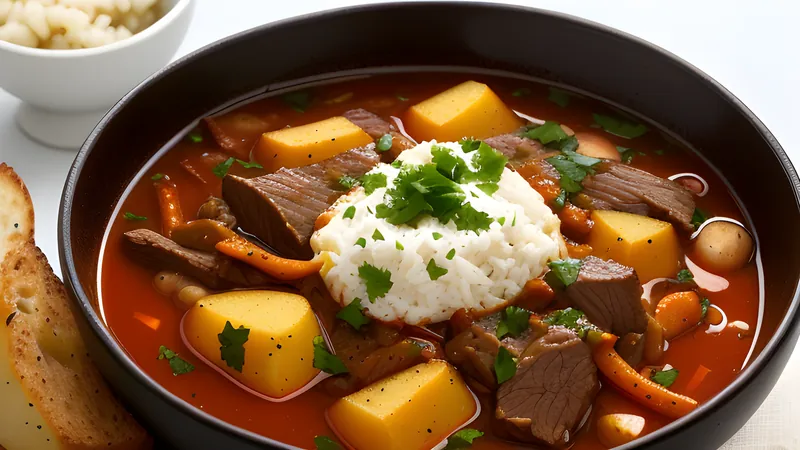
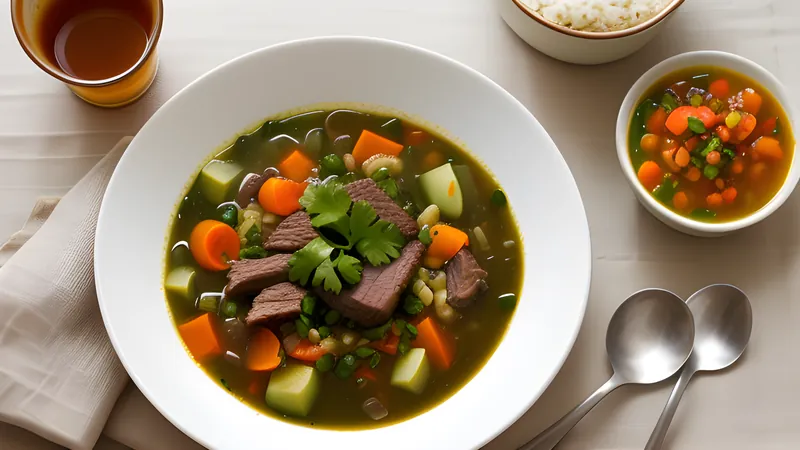
↓ Jump to recipeCaldo de res is the soup a Mexican household makes when it wants to feed everyone well from a single pot, usually on a Sunday, usually in enough quantity to see out the week. It is beef shank simmered slowly until it slides off the bone, in a broth deepened with charred tomato, crowded with big chunks of corn, potato, carrot, chayote and cabbage. The vegetables are cut large and left whole enough to identify, and the whole thing is served with rice, tortillas and a scatter of lime, coriander and chilli. It is honest, restorative cooking, the kind of bowl people ask for when they are run-down.
The name simply means “beef broth”, and the honesty of that plain description is the point. There is nothing fancy here, no long ingredient list of spices, just good bone-in beef given time and a handful of vegetables treated with respect. What makes or breaks it is patience with the meat and a little cleverness about when each vegetable goes in, so that everything arrives tender at the same moment.
Caldo de Res: Mexican Beef-and-Vegetable Soup
Ingredients
- 1.5 kg bone-in beef shank (with marrow), cut into thick slices
- 1 large onion, halved
- 4 garlic cloves, whole
- 3 ripe tomatoes
- 2 bay leaves
- 1 tbsp salt, plus more to taste
- 2 corn cobs, each cut into 3 chunks
- 3 medium potatoes, quartered
- 2 large carrots, in thick chunks
- 2 chayote (or 1 courgette), in wedges
- 1/4 small green cabbage, in wedges
- 2 tbsp neutral oil
- To serve: chopped coriander, diced white onion, lime wedges, chopped serrano chilli, warm corn tortillas, cooked white rice
Method
- Put the beef shank in a large stockpot, cover with 4 litres cold water and bring slowly to the boil. Skim off all the grey foam that rises for the first 10 minutes until the surface runs clear.
- Add one onion half, the whole garlic, bay leaves and salt. Reduce to a gentle simmer, cover partly, and cook for 1 hour 45 minutes until the beef is nearly fork-tender.
- Meanwhile, char the tomatoes and the remaining onion half in a dry pan over a high heat until blackened in patches, about 8 minutes. Blend to a smooth puree.
- Heat the oil in a small pan and fry the tomato-onion puree for 5 minutes until darkened and thick, then stir it into the simmering broth.
- Add the corn and carrots and cook for 15 minutes. Add the potatoes and chayote and cook for a further 12 minutes.
- Add the cabbage wedges and cook for a final 8 minutes, until all the vegetables are tender but still holding their shape.
- Taste and adjust the salt. Lift out the bones and spoon the marrow onto tortillas if you like.
- Serve in deep bowls with plenty of broth, a bowl of white rice on the side, and the coriander, onion, lime, chilli and tortillas for each person to add.
A soup from the ranch country
Caldo de res belongs to the caldos and cocidos, the brothy one-pot meals that run through Mexican and wider Latin American home cooking, close cousins to the Spanish cocido and the puchero the colonists brought over. In the cattle-ranching states of northern Mexico, where beef is the everyday meat, this is the definitive version, though you find it the length of the country and across Central America under various names. It is comida corrida food, the kind served as a hearty first course in the cheap lunch spots that feed working people a proper midday meal.
Because it is so plain, it carries a lot of feeling. This is a soup associated with mothers and grandmothers, with recovery from illness and hangovers, with cold days and family Sundays. The generosity of it, huge pieces of meat and vegetable in a clear, savoury broth, is part of what it communicates. You eat it slowly, spooning broth over rice, gnawing corn off the cob, dabbing marrow onto a warm tortilla.
The cut of beef, and skimming
The right cut is essential and it is a humble one: bone-in beef shank, cut across into thick slices, with the marrow bone in the centre. Shank is a hard-working muscle full of connective tissue, which is exactly why it is right for this; long, slow simmering melts that collagen into gelatine, giving the broth body and the meat a soft, yielding richness. Boneless stewing beef will feed you, but the marrow bone is where a lot of the flavour and silkiness comes from, so seek out the bone-in cut from a butcher.
Start the meat in cold water and bring it up slowly, because a gentle start draws flavour into the liquid and lets the proteins that cause scum rise cleanly to the top. Skim that grey foam off diligently for the first ten minutes or so, until the surface runs clear, and you will be rewarded with a clean-tasting, good-looking broth. After that, keep the pot at a bare simmer; a hard boil turns the broth cloudy and the meat tough and stringy rather than tender.
The charred-tomato twist
Many caldos de res are pale, thin and gentle, and there is nothing wrong with that. The small change that gives real depth is to build a charred tomato-and-onion base and fry it before adding it to the broth. Blacken the tomatoes and onion in a dry pan until the skins blister and char in patches, blend them smooth, then fry that puree in a little oil until it darkens and thickens before stirring it into the pot. Charring adds a smoky sweetness and the frying concentrates it, giving the broth a subtle backbone and a warmer colour.
This sofrito-style step takes ten minutes and transforms an ordinary beef broth into something with quiet complexity, while keeping the soup recognisably itself. It is the same instinct behind a fire-roasted salsa: the char reads as depth rather than obvious tomato. Add it once the meat is nearly done, so its flavour sits on top of the beef broth rather than boiling away.
Timing the vegetables
The mistake that ruins a caldo is throwing all the vegetables in at once and boiling them into mush while the corn goes chalky and the cabbage disintegrates. Different vegetables need different times, and adding them in stages is the whole trick. Corn on the cob and carrots are sturdy and go in first, with the longest to cook. Potatoes and chayote follow, needing a shorter time to turn tender without collapsing. Cabbage goes in last, for the final few minutes only, so it wilts and sweetens while keeping a little bite.
Cut everything large. This is a rustic soup and big pieces are part of its character; they also survive the simmering better than small dice would. Chayote, a pale green squash common across Mexico, is traditional and worth finding for its clean, cucumber-like flavour, though courgette stands in at a pinch. Aim to have every vegetable tender but still holding its shape when you serve, each one identifiable in the bowl.
Serving, the full spread
Caldo de res is served with an array of things to add at the table, and they matter as much as the soup. A bowl of plain white rice goes alongside, and many people spoon a little rice into the broth as they eat, or eat spoonfuls of each in turn. Warm corn tortillas are for wrapping around pieces of meat and marrow. Then there is the fresh brightness: chopped coriander, finely diced white onion, a squeeze of lime, and chopped serrano or jalapeño for heat, all added to taste. That hit of raw acid and allium against the deep, meaty broth is what keeps every spoonful lively.
Serve it in the deepest bowls you own, with plenty of broth and a generous piece of shank in each. The marrow, pushed out of the bone onto a salted tortilla, is a small prize for the cook.
Make-ahead and storage
Like most brothy beef dishes, caldo de res improves with a night’s rest and is an ideal make-ahead meal. Cook it fully, cool it, and refrigerate; the fat sets on top and lifts off easily if you prefer a leaner broth, and the flavours settle and deepen overnight. It keeps for three days in the fridge. If you know you will be storing it, consider cooking the cabbage separately or slightly under, as it softens further on reheating.
The broth freezes well for a couple of months, though the potatoes turn a little grainy after thawing, so some cooks freeze only the meat and broth and add fresh vegetables when reheating. For another slow beef-and-vegetable one-pot from a different tradition, Scotch Broth with Barley and Lamb shares this soup’s patient, restorative spirit, while Gulyásleves: Hungarian Goulash Soup with Caraway builds a similar meaty broth around paprika. If it is the Mexican table you want to explore further, Huevos Rancheros with Charred Salsa and Refried Beans puts the same charred-tomato instinct to work.
Related Content