Brown Sauce, Homemade
The tangy, spiced fruit sauce of the greasy-spoon café, made properly at home with a date-and-tamarind backbone
Contents
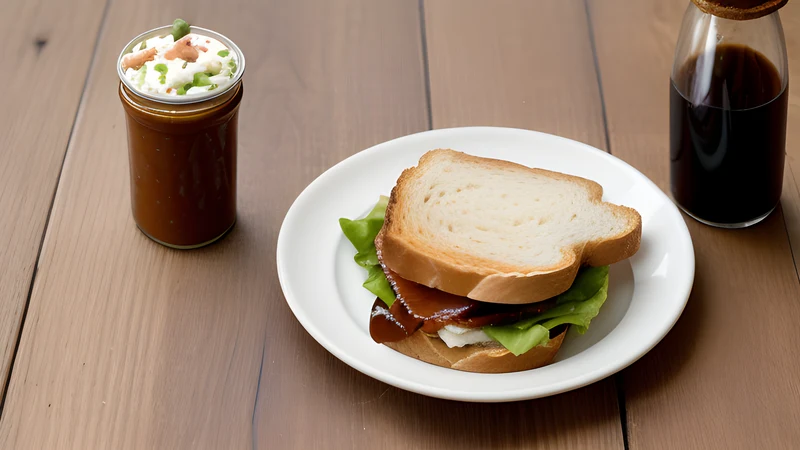
↓ Jump to recipeBrown sauce is the quiet twin of ketchup: darker, sharper, more grown-up, and the thing you actually want on a bacon sandwich or the side of a full English. In Britain it means one brand to most people, the octagonal bottle with the Houses of Parliament on the label, and for well over a century that bottle has sat on café tables getting slapped upside-down and thumped on the base. Making your own sounds like the sort of thing nobody has time for, and then you taste the homemade version — fruitier, more fragrant, with a tamarind twang the factory recipe only hints at — and the shop stuff starts to seem thin. This recipe leans on dates and tamarind for its dark, sticky depth, which gives it a rounder, almost chutney-like body underneath the vinegar sharpness.
Brown Sauce, Homemade
Ingredients
- 300g cooking apples (Bramley), peeled, cored and chopped
- 150g pitted dates, roughly chopped
- 2 medium onions, chopped
- 60g tamarind paste (the seedless pulp kind), or 40g concentrate
- 250ml malt vinegar
- 100ml cider vinegar
- 150g dark muscovado sugar
- 2 tbsp black treacle
- 4 cloves garlic, crushed
- 1 tbsp English mustard powder
- 1 tsp ground ginger
- 1/2 tsp ground allspice
- 1/2 tsp ground cloves
- 1/4 tsp ground cayenne
- 1 1/2 tsp fine salt
- 150ml water
Method
- Put the apples, dates, onions, garlic, tamarind, both vinegars, sugar, treacle and water in a large, heavy saucepan. Add the mustard powder, ginger, allspice, cloves, cayenne and salt.
- Bring to a boil, then lower to a steady simmer. Cook uncovered for about 50 minutes, stirring every so often, until the onions and apples have collapsed and the mixture is thick and glossy. Watch the last 15 minutes — as it thickens it can catch on the base, so stir more often and lower the heat if needed.
- Take off the heat and let it cool for 10 minutes. Blend to a completely smooth puree with a stick blender, or in a jug blender in batches (leave the lid vented and cover with a cloth — hot vinegar steam builds pressure).
- Pass the puree through a fine sieve back into the rinsed pan, pushing hard with a ladle to leave only skins and grit behind. This is what gives shop-bought its pourable smoothness.
- Return to a gentle simmer for 10 to 15 minutes to reach a ketchup-like consistency that coats a spoon and drops slowly. Remember it thickens further once cold, so stop while it still pours easily.
- Taste and adjust: more salt for savour, a splash more vinegar for sharpness, a little more sugar if it bites too hard.
- Funnel the hot sauce into sterilised bottles or jars, seal, and leave to cool. Store in the fridge and let it mature for at least a week before opening for the flavour to round out.
What brown sauce actually is
Strip a bottle of brown sauce back to its bones and you find a spiced fruit sauce, closer in spirit to a smooth chutney than to ketchup. The backbone is fruit — traditionally dates, apples and tamarind — cooked down with vinegar, sugar and a warm cupboard of spices until it turns thick, dark and pourable. That combination of sweet dried fruit, tart tamarind and sour malt vinegar is what gives brown sauce its particular grip on the tongue: sweet at the front, sharp in the middle, and lingering with clove and allspice at the back.
The most famous version, HP Sauce, was developed in the 1890s and named for a persistent rumour that it was served in a restaurant at the Houses of Parliament — hence the label and the initials. It was made in Birmingham for generations, at the Aston Cross factory, before production moved to the Netherlands in 2007, a shift that caused a genuine minor uproar and questions raised in Parliament itself, which is a very British way for a sauce to make the news. Its great rival, Daddies, and the regional favourite in the north-east, plus a hundred café-own bottles, all riff on the same fruit-vinegar-spice formula. It belongs to the same imperial-era family of tangy sauces as Worcestershire and mango chutney, all of them carrying the tamarind-and-warm-spice signature that British cooking picked up from South Asia and never let go.
The tamarind-and-date twist
Most home recipes for brown sauce reach for dates alone, and dates do a lot of heavy lifting — they melt down into a dark, natural sweetness with none of the flat, one-note quality of white sugar. What lifts this version is pairing them with a proper hit of tamarind. Tamarind is the sticky pulp of a tropical pod, sour and faintly caramel, and it gives the sauce a fruity acidity that vinegar alone cannot: rounder, deeper, with a whiff of prune and citrus. It is the same souring agent that does the work in a good mango chutney, properly spiced, and once you have a tub in the fridge it earns its place. Buy the seedless pulp in a block or a jar of paste; if all you can find is concentrate, use less, because it is fiercer.
The dark muscovado and black treacle matter too. Muscovado brings a molasses bitterness that plain brown sugar lacks, and the tablespoon of treacle is what turns the sauce genuinely brown-black rather than muddy tan. Do not swap them for caster sugar and expect the same colour or depth.
Making it smooth
The single thing that separates homemade brown sauce from a rustic chutney is texture, and there are two steps that get you there. First, blend the cooked mixture thoroughly — a stick blender does the job, but let it run longer than you think, right until no fleck of onion remains. Second, and this is the step people skip, push the blended sauce through a fine sieve. Apple skins, the fibrous bits of date and any onion strings that survived the blender all get left behind, and what comes through is silky and pourable. It takes five minutes and a bit of elbow grease with the back of a ladle, and it is the difference between a sauce you spoon and a sauce you shake out of a bottle.
Consistency is the other thing to watch. Brown sauce thickens noticeably as it cools, so the pan should look slightly looser than you want the finished sauce to be. Aim for something that coats the spoon and drips slowly; if it mounds up in the pan while still hot, you have gone too far and it will set to a paste in the fridge. A splash of water and a quick reheat loosens an over-thick batch.
Getting the seasoning right
Taste the sauce at the end and adjust before you bottle it, because this is where a good batch becomes a great one. It should hit sweet, sour and salty in roughly equal measure, with the spices humming underneath rather than shouting. If it tastes flat, it almost always needs salt — salt is what makes the fruit and spice read as savoury instead of like a pudding. If it tastes harsh and hot, a spoon more sugar rounds it off. If it tastes dull, more vinegar wakes it up. The cayenne should give a gentle warmth at the back of the throat, so add it cautiously; you can always stir in more, and different café brown sauces vary from mild to properly peppery.
Storage, and letting it mature
Bottle the sauce while it is hot into sterilised jars or bottles — run them through a hot dishwasher cycle, or wash and dry them in a low oven — and seal straight away. The high vinegar and sugar content makes brown sauce a good keeper: unopened and refrigerated it will hold for several months, and once opened it lasts a good six weeks in the fridge. Like a chutney or a caramelised onion marmalade, it genuinely improves with a rest. Give it at least a week before you crack the first bottle, and the raw edge on the vinegar softens while the spices marry into something rounder and more complex. The same patience rewards a jar of bread-and-butter pickles, and it is the easiest kind of cooking to do — you wait.
Serve it where you would reach for the bottle: alongside sausages, bacon and eggs, folded into a cheese toastie, spooned over a bacon bap, or stirred by the spoonful into gravies and stews for a hit of tangy depth. A little goes into shepherd’s pie, into a marinade for grilled pork, into the pan when you deglaze after frying chops. Once you have a couple of bottles of your own in the door of the fridge, the shop version starts to feel like a compromise you no longer have to make.
Variations
For a fruitier, sweeter sauce, add 100g of pitted prunes along with the dates and cut the sugar back slightly. For a smokier version, swap the cayenne for half a teaspoon of chipotle powder or a smoked paprika, which pushes the sauce towards a barbecue register. If you like it hotter, a chopped fresh red chilli or an extra pinch of cayenne turns it into something with genuine kick. And if you want a glossier, thicker finish for glazing sausages or ribs, hold back 50ml of the vinegar and reduce the sauce a few minutes longer — it becomes sticky enough to brush straight onto meat under the grill.
Related Content