Braised Short Ribs in Red Wine
Fall-apart beef in a glossy, deep-dark sauce
Contents
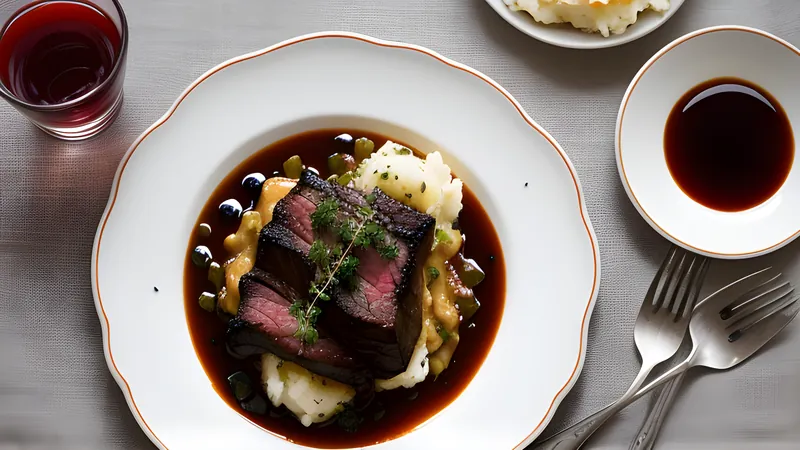
↓ Jump to recipeThere is a particular moment with short ribs that I cook the whole dish for: the point, three hours in, when you lift the lid and the meat has drawn back from the bone and slumped into the dark liquid around it, and the kitchen smells of wine and roasted beef. Short ribs are one of the most forgiving and most rewarding braises there is, a cut that seems tough and unpromising raw and turns into something silky and profound with nothing more than time and low heat.
My twist is a small square of dark chocolate whisked into the finished sauce. Before you wrinkle your nose, this is an old trick from Italian and Mexican kitchens; a little bitter chocolate does not make the sauce sweet or taste of pudding. It rounds out the tannins in the wine, adds a velvety body, and gives the sauce that deep, glossy, almost black sheen you see in restaurant versions and wonder how they managed. It is the finishing touch that makes people ask for the recipe.
Braised Short Ribs in Red Wine
Ingredients
- 1.6kg bone-in beef short ribs, in 4 pieces
- 1.5 tsp fine salt
- 1/2 tsp black pepper
- 2 tbsp plain flour
- 2 tbsp olive oil
- 1 onion, diced
- 2 carrots, diced
- 2 celery sticks, diced
- 4 garlic cloves, crushed
- 1 tbsp tomato purée
- 500ml full-bodied red wine
- 500ml beef stock
- 2 bay leaves
- 3 sprigs thyme
- 1 sprig rosemary
- 10g dark chocolate, 70% cocoa
- 1 tsp red wine vinegar
Method
- Pat the short ribs dry, season with salt and pepper, and dust lightly with flour.
- Sear them hard in olive oil in a heavy casserole on all sides until deeply browned, about 10 minutes, then remove.
- Lower the heat and soften onion, carrot and celery in the fat for 8 minutes, then add garlic and tomato purée and cook 2 minutes.
- Pour in the wine, bring to a boil and reduce by half, scraping up the browned bits.
- Add the stock, bay, thyme and rosemary, return the ribs bone-side up, cover, and braise at 150C for 3 to 3.5 hours until the meat pulls from the bone.
- Lift out the ribs, strain the sauce, skim the fat, and reduce it on the hob until it coats a spoon.
- Whisk in the dark chocolate and red wine vinegar until glossy, then return the ribs to warm through.
- Serve over mash or polenta with the sauce spooned over.
What short ribs are, and why they braise so well
Short ribs come from the lower part of the cow’s rib cage, the beef plate and chuck, and they are essentially the beefy off-cuts left when the prime rib is taken. Each piece is a thick block of well-marbled meat sitting on a length of bone, threaded with fat and connective tissue. That connective tissue is the whole point. It is collagen, and over a long, gentle braise it melts into gelatine, which is what gives braised short ribs their luxurious, lip-sticking texture and body the sauce at the same time.
This is the same principle behind every great slow-cooked meat dish, from a pappardelle with beef-shin ragù to a Korean galbijjim, Korean braised short ribs, which uses the very same cut in a soy-and-pear braise. Collagen-rich cuts need time above about 70C for hours to convert; rush them and they stay tough, so patience is a genuine ingredient here, not a figure of speech.
Buy bone-in, English-cut
Ask for bone-in short ribs, English-cut, which means cut into individual thick pieces along the bone rather than flanken-cut across several bones. The bone adds marrow and gelatine to the sauce and helps the meat hold its shape during the long cook. Look for pieces with good marbling and a decent cap of meat; thin, mostly-bone pieces will not give you much to eat.
Pat them thoroughly dry before searing, because a wet surface steams instead of browning. Season well and dust with a little flour, which helps the crust form and lightly thickens the sauce later. Then sear them hard. This is the step that builds the backbone of flavour, the Maillard browning that creates hundreds of savoury compounds, so give every side real colour in a hot pan and do not overcrowd it. Ten minutes of proper searing pays off for the whole dish.
Building the braise
Once the ribs are browned and set aside, drop the heat and soften the classic aromatic base of onion, carrot and celery in the beef fat until sweet and just golden, then add garlic and tomato purée and fry for a couple of minutes to cook out the rawness. Now the wine. Use a full-bodied red you would happily drink, a Syrah, Cabernet or a robust Côtes du Rhône; a thin or sweet wine gives a thin or sweet sauce. Pour it in, bring it to a boil, and reduce it by half. This burns off the harsh alcohol and concentrates the fruit, and it is worth doing properly rather than tipping in cold wine and hoping.
Add the stock and herbs, return the ribs to the pot bone-side up so the meat sits in the liquid, cover, and braise at 150C for three to three and a half hours. The oven is better than the hob here because the heat surrounds the pot evenly and holds a steady low temperature with no risk of catching on the base. You are looking for a bare, lazy simmer.
Finishing the sauce
When the meat pulls away from the bone at the nudge of a spoon, the ribs are done. Lift them out carefully, as they will be fragile, and keep them warm. Strain the braising liquid into a wide pan, pressing the vegetables to extract their flavour, then let it settle and skim off the fat that rises. There will be a fair amount; short ribs are rich.
Reduce the strained sauce on the hob until it thickens enough to coat the back of a spoon. Now whisk in the dark chocolate and a teaspoon of red wine vinegar off the boil. The chocolate melts into a glossy, dark sauce and the vinegar brightens it, cutting the richness so the whole thing does not sit heavy. Taste and adjust the salt. Slip the ribs back in to warm through and spoon that sauce over generously.
What to serve underneath
Short ribs demand something soft and starchy to catch the sauce. Buttery mashed potato is the classic and hard to beat; creamy polenta is my other favourite, its mild corn sweetness a good foil for the dark braise. A pile of soft buttered leeks with thyme and breadcrumbs on the side adds a gentle green note without competing. A few glazed carrots or some wilted greens would not go amiss either. Keep the plate simple; the ribs are the event.
The chocolate question, and other deepeners
People are sceptical about the chocolate until they taste the difference side by side. Cocoa solids are full of the same bitter, savoury compounds that make a long-reduced stock taste of more than the sum of its parts, so a small amount reads as depth, not sweetness. Use a proper 70% dark chocolate and no more than ten grams for a pot this size; go heavier and it does start to tilt the sauce. A square of dark chocolate lives in the same family of quiet deepeners as a spoonful of anchovy paste, a splash of soy, or a teaspoon of instant coffee, each of which adds a savoury bass note without announcing itself. If you have none to hand, a spoon of good cocoa powder does a similar job, whisked in at the same off-the-boil moment so it does not turn grainy.
Tips, make-ahead and variations
This is a superb make-ahead dish, and I would argue it is better cooked a day in advance. Braise it, cool the ribs in the strained sauce, and refrigerate overnight. The fat sets into a solid layer you can lift off cleanly, the easiest skimming you will ever do, and the flavours deepen. Reheat gently in a low oven, then finish the sauce with the chocolate and vinegar just before serving. It freezes well for up to three months.
Common pitfalls: if the meat is still tough, it simply needs longer, so give it another half hour rather than turning up the heat. If the sauce is greasy, you did not skim enough, so chill and lift the fat. If it tastes harsh or thin, the wine was poor quality or was not reduced enough before the stock went in. For a richer, more rustic version, add a handful of soaked dried porcini and a few smoked lardons at the sofrito stage. And if you want it heartier still, braise a handful of baby onions and mushrooms separately and fold them in at the end, in the manner of a boeuf bourguignon. Whichever way you take it, the collagen, the wine and that final square of chocolate will carry you home.
Related Content