Blood Orange Polenta Cake (Gluten-Free)
Sticky, citrus-soaked and naturally free from wheat
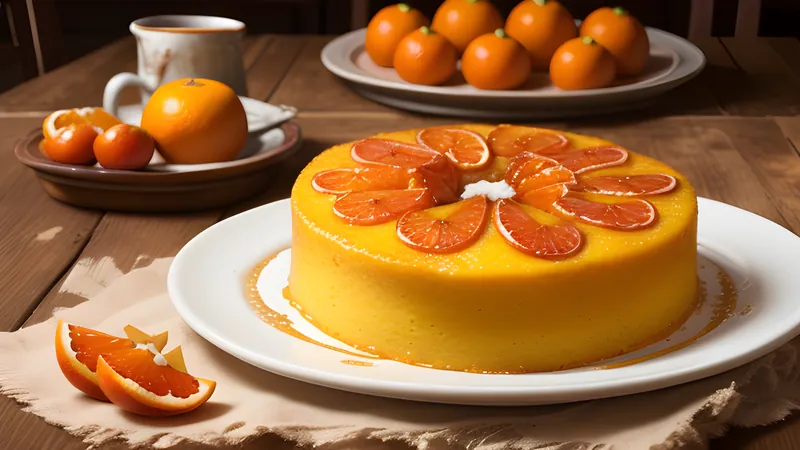
Blood Orange Polenta Cake (Gluten-Free)
Ingredients
- 200g (¾ cup plus 2 tbsp) unsalted butter, softened
- 200g (1 cup) caster sugar
- 3 large eggs
- 200g (2 cups) ground almonds
- 100g (⅔ cup) fine polenta (cornmeal)
- 1 tsp baking powder (gluten-free)
- ½ tsp fine sea salt
- Zest of 2 blood oranges and 1 lemon
- 1 tbsp blood orange juice
- For the syrup: juice of 2 blood oranges (about 120ml)
- 75g (⅓ cup) caster sugar
- 1 tbsp lemon juice
- 2 blood oranges, sliced thinly, to decorate (optional)
Method
- Heat the oven to 170C/150C fan/340F. Grease and line a 20cm springform tin.
- Cream the butter and sugar until pale and fluffy, 3-4 minutes.
- Beat in the eggs one at a time, then fold in the ground almonds, polenta, baking powder and salt.
- Stir through the citrus zests and the tablespoon of blood orange juice.
- Spoon into the tin, level, and bake 45-50 minutes until golden and just set in the centre.
- Meanwhile, simmer the syrup ingredients until slightly reduced and glossy, 4-5 minutes.
- Prick the warm cake all over and spoon the hot syrup over it. Let it drink and cool in the tin.
- Top with thin blood orange slices before serving if you like.
Every winter I wait for blood oranges the way other people wait for asparagus. They turn up sullen and ordinary on the outside, then you cut one open and there’s that bruised, dramatic crimson and a flavour that’s part orange, part raspberry, part something darker and more grown-up. This cake is the best thing I know to do with them: a dense, sticky, almond-and-polenta sponge that drinks a tart citrus syrup until it’s almost a pudding. And, more or less by accident, it happens to be completely gluten-free.
1 A cake that was never about flour
The classic Italian polenta cake — the kind you find in Sicilian bakeries and, via Claudia Roden and the River Cafe, in half the cookbooks on my shelf — has no wheat in it at all. Its body comes from ground almonds, its texture from coarse cornmeal, and its richness from a frankly alarming amount of butter. That’s worth saying plainly, because “gluten-free dessert” still conjures images of sad, crumbly approximations of the real thing. This isn’t an approximation. It’s a cake that was always gluten-free and never needed an apology.
The polenta is doing real work here, so don’t be tempted to leave it out for “extra almonds”. Those tiny grains of corn give the cake its signature grit — a faint, pleasing rasp against the soft almond crumb, like fine sand at the bottom of something otherwise smooth. Use fine or instant polenta, not the coarse stuff meant for slow cooking, or you’ll get a cake that feels gravelly rather than textured.
2 The twist: char the syrup, just slightly
Here’s my one small deviation from the orthodox recipe. Instead of a plain orange syrup, I let it cook a fraction longer than feels safe, until the edges of the pan start to caramelise and the whole thing smells faintly of burnt sugar and marmalade. That hint of bitterness is what stops the cake tipping into one-note sweetness. Blood oranges are less sharp than ordinary ones, so they need that grown-up edge to keep them from cloying. Watch it like a hawk — there’s maybe thirty seconds between “deep and toasty” and “ruined” — but it’s worth the nerve.
The other reason to make the syrup properly is that this is how the cake gets its keeping quality. The sponge soaks it up and turns dense and moist, and a well-syruped polenta cake will sit happily under a cloth for four or five days, getting better and stickier as it goes.
3 Getting it baked right
Almond-heavy cakes brown fast and set slowly, which is a tricky combination. The low oven temperature is deliberate: you want the centre to cook through before the top scorches. If it’s colouring too quickly, lay a loose sheet of foil over the top for the last fifteen minutes. The cake is done when the centre is just set and springs back lazily — a slight wobble is fine, because it’ll firm up as the syrup soaks in and it cools.
Prick the cake all over with a skewer the moment it comes out, and pour the syrup over while both are hot. Hot syrup into a hot cake is the trick to even absorption; if either cools, the syrup pools on top and never penetrates. Then leave it strictly alone in its tin until cold. This is not a cake to rush out of the tin warm and proud — it’ll fall apart and you’ll be sad.
4 Serving and small variations
A spoonful of crème fraiche or thick Greek yoghurt alongside is all it needs; the sourness cuts the butter beautifully. If you want to make it look like you tried, candy a few thin blood orange slices in the leftover syrup and fan them over the top.
Out of season, ordinary oranges work perfectly well — just add a little extra lemon juice to the syrup to bring back the sharpness blood oranges have naturally. You can swap a third of the almonds for ground pistachios for a green, more aromatic version, or fold in a teaspoon of fennel seeds, lightly crushed, which sounds odd and tastes wonderful with the citrus. However you make it, this is the cake I reach for when someone says, slightly apologetically, that they can’t eat gluten — and then watch them have a second slice.
Related Content