Barbacoa de Res with Consommé
Slow-braised beef cheek and a bowl of its own broth
Contents
↓ Jump to recipeBarbacoa is one of those dishes that sounds like a technique and is really a whole afternoon of anticipation. In its oldest form it is meat, often a whole sheep or a cow’s head, wrapped in maguey leaves and buried in a pit of hot stones to steam underground overnight. What emerges is soft enough to eat with a tortilla and nothing else. Most of us do not have a pit in the garden, so this is the oven version of barbacoa de res, beef barbacoa, and it delivers the two things that matter most: meat that shreds under its own weight, and a deeply savoury broth, the consommé, that you dip the tacos into.
My twist is barely a twist; call it a refusal to skip a step. I insist on toasting the dried chillies before they go anywhere near liquid. Thirty seconds in a dry pan wakes up oils that raw or merely soaked chillies never release, and it is the difference between a sauce that tastes muddy and one that tastes of woodsmoke, dried fruit and gentle heat. Everything good about this dish starts there.
Barbacoa de Res with Consommé
Ingredients
- 1.5kg beef cheek or chuck, in large chunks
- 2 tsp fine salt
- 4 dried guajillo chillies
- 2 dried ancho chillies
- 2 chipotles in adobo
- 1 onion, quartered
- 6 garlic cloves
- 2 bay leaves
- 1 tsp ground cumin
- 1 tsp dried oregano, preferably Mexican
- 4 cloves
- 1 tbsp cider vinegar
- 800ml beef stock
- 2 tbsp neutral oil
- 1 cinnamon stick
- Corn tortillas, to serve
- 1 white onion, finely diced, to serve
- 1 small bunch coriander, chopped, to serve
- 2 limes, in wedges, to serve
Method
- Season the beef all over with salt and leave while you prepare the chillies.
- Tear the guajillo and ancho chillies open, discard the seeds, and toast them in a dry pan for 20 seconds a side until fragrant.
- Soak the toasted chillies in hot water for 15 minutes, then blend with chipotles, onion, garlic, cumin, oregano, cloves, vinegar and 200ml of the stock into a smooth paste.
- Brown the beef in oil in a heavy pot on all sides, then remove.
- Pour the chilli paste into the pot, fry for 3 minutes, then return the beef with bay, cinnamon and the remaining stock.
- Cover and braise at 150C for 3.5 to 4 hours until the beef shreds easily.
- Lift out the beef and shred it. Strain and skim the braising liquid to make the consommé.
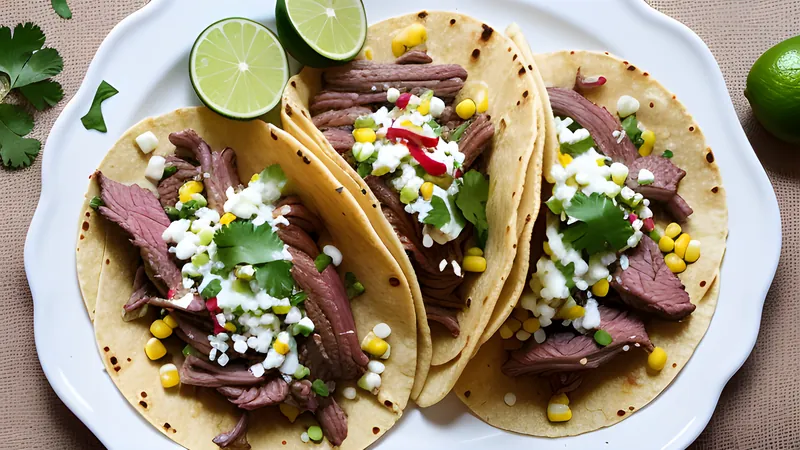
- Serve the shredded beef in warm tortillas with onion, coriander and lime, and the hot consommé alongside for dipping.
From pit to pot: what barbacoa actually is
The word gave us “barbecue”, but the original technique is closer to steaming than grilling. Across central Mexico, particularly Hidalgo and the states around the capital, barbacoa means meat cooked slowly in an earth oven, wrapped in the leaves of the maguey agave, over a pot that catches the dripping juices. That pot of concentrated drippings is the consommé, and in many towns it is prized above the meat itself, sold by the cup on Sunday mornings to people nursing the previous night.
Beef barbacoa, using cheek or head meat, is especially associated with the north and with the version that migrated to Texas, where barbacoa de cabeza on a weekend is an institution. The oven method here cannot reproduce the exact smoke of a pit, so it leans harder on toasted dried chillies and a whisper of cinnamon and clove to build depth. The braising liquid does the job the pit drippings did, and skimmed and strained it becomes a consommé worth queueing for.
Beef cheek is the cut to seek out
If your butcher will sell you beef cheeks, buy them. Cheek is a hard-working muscle laced with collagen, and after a long braise it turns into something between beef and butter, gelatinous and yielding, holding together in ribbons rather than collapsing into fibres. It is the classic barbacoa cut for good reason.
If you cannot get cheek, chuck (shoulder) is the reliable substitute; short rib or shin also work, though shin can go a touch stringy. Whatever you use, keep the chunks large. Big pieces stay moist through four hours of cooking and shred into satisfying strands, while small pieces overcook and dry at the edges before the collagen has surrendered. Salt the beef ahead and brown it hard on every side; that fond, the sticky brown residue, is flavour you will deglaze back into the braise.
The chilli paste, and toasting as gospel
Three chillies do three jobs. Guajillo brings a bright, tangy, red-berry note and most of the colour. Ancho, the dried poblano, brings a raisiny, almost chocolatey sweetness and body. Chipotle in adobo brings smoke and the only real heat; this is a warm dish rather than a fiery one, so two chipotles is plenty. Tear the guajillos and anchos open, shake out the seeds, and toast them flat in a dry pan until they smell nutty and just begin to blister. Any darker and they turn bitter, so keep it to twenty seconds a side and watch them.
Soak the toasted chillies in hot water for a quarter of an hour to soften, then blend them with the chipotles, onion, garlic, cumin, oregano, cloves, cider vinegar and a splash of the stock until you have a smooth, brick-red paste. Fry that paste in the pot for a few minutes before the beef goes back in. Frying the paste, what Mexican cooks call sazonar, cooks off the raw edge and concentrates it, the same logic that makes a fried sofrito the backbone of dishes like arroz con pollo with sofrito and peas.
The braise and the consommé
Return the browned beef to the pot with the fried paste, add bay, a stick of cinnamon and the rest of the stock, cover, and braise low at 150C for three and a half to four hours. You want a bare simmer, never a boil; a violent boil toughens the muscle fibres and clouds the consommé. The beef is done when a chunk surrenders to a fork with no resistance.
Lift out the beef and shred it into large pieces, discarding any hard gristle but keeping the soft, gelatinous bits, which are the best part. Now tend to the liquid. Strain it through a sieve to catch the aromatics, then skim off the fat that pools on top. You will be left with a dark, glossy, intensely beefy consommé. Taste it and adjust the salt and a squeeze of lime. If it feels thin, reduce it on the hob for ten minutes to concentrate.
Serving: the taco and the dip
This is the ritual. Warm corn tortillas until soft and toasty, pile in the shredded beef, and top with finely diced white onion and chopped coriander. Serve each person a small bowl of the hot consommé alongside. You dip the taco into the broth before each bite, or spoon broth over, and drink what is left at the end. The acidity of a hard lime squeeze ties it together.
Set it next to a plate of carnitas, slow-braised and crisped and you have the makings of a proper taquiza, a taco spread, with one rich crisped pork and one soft brothy beef covering both moods at the table.
Sides that earn their place
Barbacoa is generous enough to stand alone, but a Sunday spread deserves company. A bowl of pinto beans simmered with a little of the skimmed fat picks up the same chilli warmth. Pickled red onions, sliced thin and left in lime juice with a pinch of salt for twenty minutes, cut through the richness and add a flash of colour. And a sharp salsa verde, tomatillos blistered and blended with green chilli and coriander, gives you an acidic counterpoint to spoon over the tacos. Rice alongside, plain or folded through with peas and sofrito, soaks up any spare consommé and stretches the meat to feed a bigger table.
Tips, make-ahead and variations
Barbacoa is a dream to cook in advance. Make it a day ahead, cool the beef in some of its liquid so it does not dry out, and refrigerate the consommé separately; the fat sets on top and lifts off in a clean disc, which is the easiest possible way to skim it. Reheat the beef gently in a little of the broth. It freezes beautifully for up to three months, and honestly tastes deeper for the rest.
Common problems: a bitter sauce means the chillies scorched during toasting, so be gentler next time. A greasy consommé means you skimmed too little, so chill and lift the fat. Bland meat means it was under-seasoned raw or the braise was rushed at too high a heat. If you like more heat, add a third chipotle or a pinch of chile de árbol to the paste; for a richer broth, throw a split marrow bone into the pot. The leftovers, chopped small and crisped in a pan, make a barbacoa hash under a fried egg that is reason enough to make a double batch.
Related Content