Bara Brith: Welsh Tea Loaf with Soaked Fruit
Fruit steeped overnight in strong tea, no yeast, no fuss
Contents
↓ Jump to recipeSome of the best baking in Britain came out of thrift, and bara brith is a fine example: a loaf built to use up leftover strong tea and a bag of dried fruit, requiring no yeast, no kneading and barely any skill, yet producing something genuinely lovely. The fruit swells overnight in the tea until it is plump and dark, the batter takes ten minutes to stir together, and the finished loaf slices into moist, spiced, freckled bread that is somehow better with butter than it has any right to be. It is the bake I press on anyone who claims they cannot bake.
The speckled bread of Wales
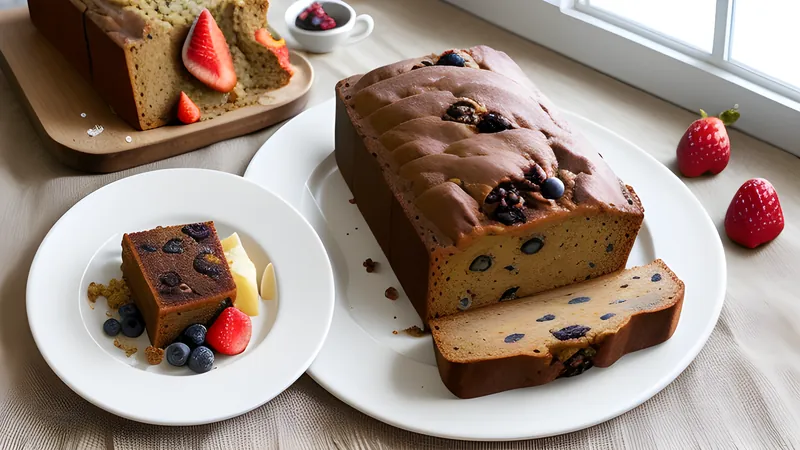
Bara brith means “speckled bread” in Welsh, bara being bread and brith meaning speckled or mottled, a reference to the dried fruit dotted through the crumb. It belongs to a wide family of British and Irish fruit loaves that includes the Irish barmbrack, the Yorkshire tea loaf and Scotland’s various fruit breads, all descendants of a time when a fruited bread was a treat reserved for high days and Sunday tea. Traditionally, bara brith came in two forms: an older yeast-risen bread version, enriched with fat and fruit and made from leftover dough, and the newer, simpler tea-loaf version that most Welsh households bake today, leavened with baking powder in self-raising flour and requiring no proving at all.
That tea-soaked version is the one that travelled, and it is beloved for good reason. Steeping the fruit in tea overnight does two things at once: it plumps the dried fruit with liquid so the loaf stays moist for days, and it infuses that fruit with the tannic, slightly bitter depth of strong black tea, which balances the sweetness beautifully. Bara brith is a fixture of Welsh cafés and tea rooms, served in thick slices with salted butter, and it appears at celebrations and funerals alike, wrapped in a tea towel and produced when people gather. In some households a coin or ring was baked into the loaf at Halloween, as with the Irish barmbrack, to tell fortunes for the year ahead.
Bara Brith: Welsh Tea Loaf with Soaked Fruit
Ingredients
- 300g mixed dried fruit (raisins, sultanas, currants)
- 50g chopped dried apricots or dates
- 250ml hot strong black tea (2 bags, brewed strong)
- 1 tbsp whisky or brandy (optional)
- 100g soft dark brown sugar
- 1 large egg, beaten
- 2 tbsp marmalade
- 250g self-raising flour
- 2 tsp mixed spice
- 0.5 tsp fine salt
- 1 tbsp demerara sugar, for the top
Method
- The night before, put the dried fruit in a bowl, pour over the hot tea and the whisky, cover and leave to steep overnight.
- Next day, stir the brown sugar into the soaked fruit and its liquid until dissolved.
- Beat in the egg and the marmalade.
- Sift in the flour, mixed spice and salt and fold to a thick, dropping batter.
- Spoon into a lined 900g loaf tin and level the top, then scatter with demerara sugar.
- Bake at 160C fan for 70 to 80 minutes, until a skewer comes out clean; cover with foil if browning too fast.
- Cool in the tin for 15 minutes, then turn out onto a rack to cool completely.
- Wrap and keep at least a day before slicing; serve sliced with salted butter.
The one clever twist: marmalade in the batter
The traditional loaf relies on tea and dried fruit alone, and it is very good. My addition is two spoonfuls of marmalade stirred into the batter, and it earns its place. Marmalade brings bittersweet citrus and a little extra moisture, echoing the candied peel in richer festive loaves while keeping the recipe simple, and the shreds of peel dissolve into the crumb so you taste them without seeing them. It gives the loaf a grown-up edge that lifts it above the merely sweet. A dark, bitter Seville marmalade is best; a bland golden one adds less.
Why the overnight soak is non-negotiable
You can be tempted to shortcut the steep, and you should not. Dried fruit added straight to a batter stays chewy and pulls moisture out of the surrounding crumb as it bakes, giving a drier loaf that stales fast. Left overnight in hot tea, the fruit rehydrates fully, so it stays soft and juicy in the finished loaf and, because it is already saturated, it does not rob the batter of water. The tannins in strong tea also firm the fruit’s skins slightly and add a savoury depth that cuts the sugar. If you genuinely cannot wait, a minimum of four hours in the tea will do, but overnight is better and costs you nothing but planning.
The kind of tea, and other choices
Use a robust black tea: a strong builder’s brew of two English breakfast or Assam bags in 250ml of water, left to stew, is ideal. Delicate teas like Earl Grey can work if you like the bergamot note, but avoid anything too subtle, as its whole job is to be tasted. The dried fruit is flexible; a classic mix of raisins, sultanas and currants is traditional, but chopped apricots, dates or figs add variety, and a handful of chopped candied peel is very welcome. Keep the total weight of fruit the same. Self-raising flour is standard, but if you only have plain, add two teaspoons of baking powder.
Storage, and why it gets better
Bara brith is one of those bakes that genuinely improves with a day or two of resting. Freshly baked, it can taste a touch bland and crumbly; wrapped and left, the moisture from the tea-soaked fruit redistributes evenly through the crumb and the spices settle, so by day two it is moist, dense and deeply flavoured. Well wrapped, it keeps for a week and freezes beautifully, either whole or in slices for the toaster. Stale bara brith, if you ever get that far, is superb toasted and buttered, or turned into a bread-and-butter pudding.
Where it sits at the tea table
Bara brith belongs to the same comforting world as a whole shelf of British fruited bakes, and it makes good company for them. It shares its tea-soaked, spiced character most closely with the Cornish saffron buns of the West Country, and it is the humble everyday cousin of grander festive loaves like the marzipan-cored stollen. For a different corner of the Welsh and West-Country teatime spread, the tall, buttery Sally Lunn bun with clotted cream makes a lovely partner on the same board. Bake a loaf on a quiet evening, forget about it for a day, and you will have the easiest good thing in your kitchen ready for whenever someone drops in.
Related Content