Bandung: Rose Syrup and Condensed Milk
The bright pink rose milk of Malay weddings and roadside stalls
Contents
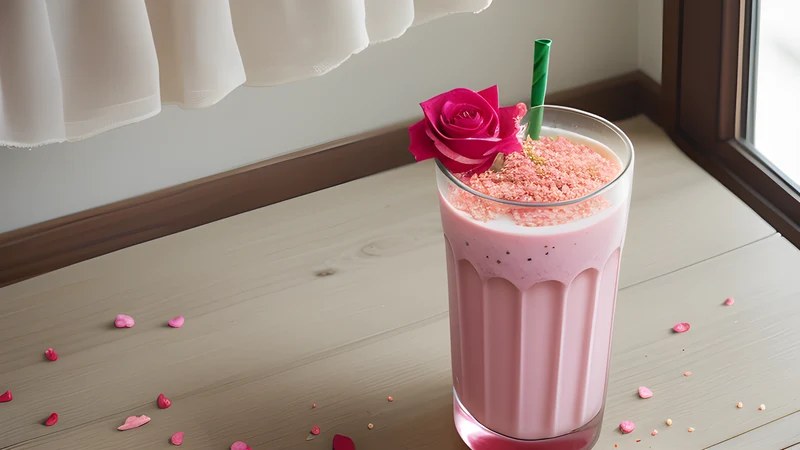
↓ Jump to recipeIf you have ever been to a Malay or Singaporean wedding, or walked past a mamak stall on a hot night, you will know bandung on sight: a glass of startling, unapologetic pink, sweet and milky and gently perfumed with roses. It is a drink that announces a celebration, and it has none of the shyness of the pale, tasteful coolers I usually gravitate towards. My version makes the rose syrup from scratch with a whisper of cardamom folded in, which gives the flowery sweetness a warm, spiced backbone and stops it tipping into soap.
Rose is a flavour that divides people, and I understand why; done heavily it can taste like potpourri or grandmother’s hand cream. The trick, which the cardamom helps with enormously, is restraint and balance. A measured amount of rose water against plenty of creamy condensed milk gives you something floral and comforting, the flower reading as a soft top-note over a base of sweet milk. Get that balance right and even confirmed rose-sceptics come round. If you have made my homemade lemonade with mint and basil, you have already seen how a floral or herbal note can lift a simple sweet drink into something memorable; bandung takes that idea and drenches it in milk.
Bandung: Rose Syrup and Condensed Milk
Ingredients
- For the rose syrup: 200g caster sugar
- 200ml water
- 2 tbsp rose water (food-grade)
- 2 green cardamom pods, lightly crushed
- 1 to 2 drops natural red or pink food colouring, optional
- For each glass: 4 tbsp rose syrup
- 3 tbsp sweetened condensed milk
- 2 tbsp evaporated milk, optional, for extra richness
- 200ml cold water or chilled milk
- Plenty of ice
Method
- Make the syrup first. Put the sugar, water and crushed cardamom pods in a small pan. Warm over a medium heat, stirring, until the sugar fully dissolves, then simmer gently for 5 minutes until very lightly syrupy. Do not let it colour.
- Take off the heat and leave to cool for 10 minutes with the cardamom still in. Stir in the rose water and the food colouring if using. Strain out the cardamom pods and pour the syrup into a clean jar. It keeps in the fridge for a month.
- To build each drink, spoon 4 tbsp of rose syrup into a tall glass. Add the condensed milk and the evaporated milk if using, and stir until the syrup and milk are fully combined into an even pink.
- Fill the glass with ice, then top with the cold water or chilled milk. Stir well, taste, and add a little more syrup if you want it sweeter or pinker.
- Serve at once with a straw, ideally very cold. For the classic soda version, top with chilled sparkling water instead of still and stir gently to keep the fizz.
Where bandung comes from
The name is a small puzzle, because although Bandung is a large city in Indonesia, the drink has nothing to do with it. In colloquial Malay, bandung came to mean something mixed or paired, and the word attached itself to this drink of rose syrup mixed with milk. It is a fixture across Malaysia, Singapore and Brunei, sold at hawker centres, mamak stalls and, above all, at weddings and Hari Raya gatherings, where great vats of it are ladled out to guests. The colour is deliberate: pink is festive, and a jug of bandung on the table signals an occasion.
The drink is a product of the trade routes that shaped Malay cuisine. Rose water and rose syrup arrived through centuries of contact with Persian and Indian merchants, the same routes that carried cardamom, saffron and rosewater into the sweets of the region. Sweetened condensed milk came later, a colonial-era import that stuck because it kept without refrigeration in a tropical climate and lent a rich creaminess to coffee, tea and drinks like this one. Bandung is the meeting point of those two histories in a single pink glass: Middle Eastern flowers and industrial tinned milk, thoroughly naturalised into something local.
Making the rose syrup
You can buy ready-made rose syrup, and the bright red Sirap Bandung sold in Asian shops is what most people use at home in Malaysia. Making your own takes ten minutes and gives you full control over the sweetness, the intensity of the rose and, crucially, the cardamom edge that makes my version mine.
It is a plain sugar syrup at heart: equal weights of sugar and water simmered until the sugar dissolves and the liquid thickens very slightly. The two points of care are these. First, do not over-reduce it; you want a light, pourable syrup, and a hard boil will turn it thick and eventually push it towards caramel, which colours it brown and dulls the fresh flavour. A gentle five-minute simmer is plenty. Second, add the rose water off the heat and after cooling a little, because rose water is a volatile aromatic and its delicate top-notes simply evaporate if you boil them. The cardamom, being a hardier spice, goes in at the start so its warmth has time to infuse the hot syrup.
On the rose water itself, buy food-grade rose water, the sort sold for cooking rather than the cosmetic version from a chemist, and start with less than you think. Brands vary hugely in strength; some are a gentle floral wash and others are ferociously concentrated. Add, taste, and add more if needed. You are aiming for a syrup that smells clearly of roses but tastes primarily of sweetness, with the flower arriving a beat later.
The colour is optional and entirely cosmetic. Rose water is clear, so a homemade syrup comes out pale gold, and the drink will be a soft creamy beige rather than the iconic pink. A drop or two of natural food colouring gives you the celebratory colour that is half the point; leave it out if you would rather, and the drink tastes identical.
Building the glass
Bandung is assembled rather than cooked, and the order matters. Spoon the syrup into the glass first, add the condensed milk, and stir the two together thoroughly before you add any ice or water. Condensed milk is thick and stubborn, and if you pour cold water on top of it you will spend the next five minutes chasing a sticky blob around the bottom of the glass with a spoon. Combining it with the syrup first, while there is little liquid to fight against, gives you a smooth pink concentrate that then dilutes evenly.
Once the syrup and milk are one, fill the glass with ice and top with cold water or, for a richer drink, cold milk. Stir again, then taste. This is your moment to adjust: more syrup for sweetness and colour, a splash more water to lengthen it. The condensed milk is doing double duty as both dairy and sweetener, so the drink is generously sweet by design; that is the character of it, and it is meant to be a treat.
Storage, variations and getting ahead
The rose syrup is the make-ahead hero. A batch keeps in a sealed jar in the fridge for a month, ready to turn into a glass of bandung, drizzle over ice cream, or stir into sparkling water for a quick rose soda. Because the assembly takes under a minute once the syrup is made, this is a brilliant drink for a party: set out the syrup, a tin of condensed milk, a jug of milk and a bucket of ice, and let people build their own.
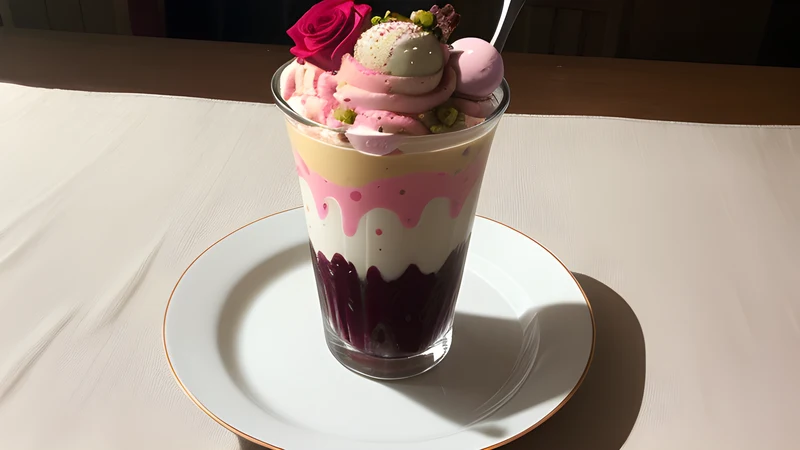
The two classic variations are worth knowing. Bandung soda swaps the still water for chilled sparkling water or lemonade, giving a lighter, fizzier drink that cuts the richness of the milk; it is my preference on the very hottest days. Sirap bandung with cincau adds spoonfuls of grass jelly, the dark, faintly herbal set jelly sold in tins, which turns the drink into something you eat with a spoon as much as sip. That layered, textural pleasure is the same one at the heart of a falooda with rose, basil seed and vermicelli, a close cousin from a little further west along the same spice routes.
A note on the milk: sweetened condensed and evaporated milk are different tins and not interchangeable. Condensed milk is thick and heavily sweetened, doing the work of both cream and sugar; evaporated milk is unsweetened and thinner, added purely for a little extra body. If you only have condensed, leave the evaporated out and simply lengthen with more water or milk to taste.
For a grown-up version, a shot of gin sits surprisingly well against the rose and cardamom, turning bandung into a sort of pink milk punch. And if you want to lean into the spice, a single clove or a short cinnamon stick added to the syrup alongside the cardamom deepens it further, which I like as the summer tips towards autumn.
Bandung is not a subtle drink, and it does not want to be. It is pink, sweet, floral and made for occasions, the liquid equivalent of putting the good tablecloth out. Made with a homemade syrup carrying that gentle warmth of cardamom, it earns its colour, and it turns an ordinary hot afternoon into something that feels, briefly, like a celebration.
Related Content