Aubergine Parmigiana: Properly Layered, Properly Good
The vegetarian bake worth the patience
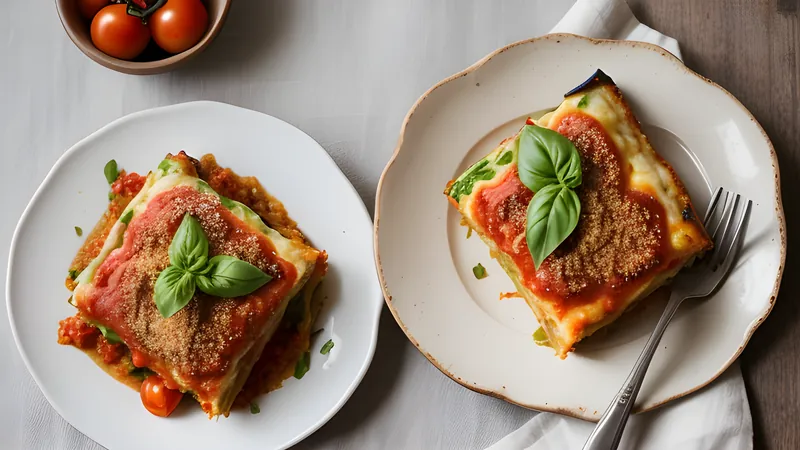
Aubergine Parmigiana: Properly Layered, Properly Good
Ingredients
- 3 large aubergines, sliced lengthways 1cm thick
- Olive oil, for brushing and frying
- 2 x 400g tins good chopped tomatoes
- 4 garlic cloves, finely sliced
- 1 small onion, finely chopped
- 1 tsp caster sugar
- Large handful fresh basil, torn
- 150g Parmesan, finely grated
- 250g mozzarella, torn
- 50g dried breadcrumbs
- Salt and black pepper, to taste
Method
- Salt the aubergine slices lightly and leave in a colander for 20 minutes, then pat dry.
- Shallow-fry the slices in olive oil until golden, or brush and roast at 200C (180C fan) for 25 minutes.
- For the sauce, soften the onion in olive oil for 5 minutes, add the garlic for a minute, then add the tomatoes, sugar and salt.
- Simmer the sauce gently for 20 minutes until thick, then stir through half the basil and season well.
- Spread a little sauce in an oven dish, then layer aubergine, sauce, Parmesan, mozzarella and basil; repeat until used up.
- Finish with sauce, the remaining Parmesan and the breadcrumbs.
- Bake at 190C (170C fan) for 40 to 45 minutes until bubbling, golden and crisp on top.
- Rest for 15 to 20 minutes before cutting into squares to serve.
Aubergine parmigiana is one of those dishes that rewards you for slowing down. It is not a weeknight throw-together; it asks for an unhurried afternoon, a bit of frying, and a willingness to build it layer by layer. But what you get back is a deep, savoury, almost meaty bake that converts even the most committed aubergine sceptic. My small twist is a crisp breadcrumb top — a nod to the Sicilian habit of finishing the dish gratinata — which gives a contrast in texture that lifts the whole thing.
1 Where it really comes from
Despite the name, parmigiana almost certainly has nothing to do with Parma. Most food historians trace it south, to Sicily and Campania, and the word likely comes from the Sicilian parmiciana, the overlapping wooden slats of a shutter — a neat description of how the aubergine slices lie across one another in the dish. Others point to the Parmesan that binds it. Whatever the truth, it is a southern Italian dish through and through, born of hot regions where aubergines grow gloriously and meat was once a luxury. It predates the tomato in some tellings, which means the earliest versions may have been pale, cheesy affairs. The tomato-rich version we love today is the one that travelled the world.
2 Building the bake
First, deal with the aubergines. Salting them lightly and leaving them in a colander for twenty minutes draws out moisture and any bitterness; pat them dry afterwards. You can shallow-fry the slices in olive oil for the most luxurious result, or brush them and roast at 200C (180C fan) for twenty-five minutes if you’d rather use less oil — both work, the fried version just tastes more decadent.
While that happens, make the sauce. Soften the onion in a little olive oil for five minutes, add the garlic for a minute, then tip in the tomatoes, sugar and a good pinch of salt. Simmer gently for twenty minutes until thick and glossy, then stir through half the basil. Taste and season hard; a flat sauce makes a flat parmigiana.
Now layer. Spread a little sauce in the base of an oven dish, then a layer of aubergine, more sauce, a scatter of Parmesan, some torn mozzarella and basil. Repeat until everything is used, finishing with sauce, the remaining Parmesan and the breadcrumbs. Bake at 190C (170C fan) for forty to forty-five minutes until bubbling, golden and crisp on top.
3 Tips and getting ahead
The single most important tip: let it rest. Give the parmigiana fifteen to twenty minutes out of the oven before you cut into it. Straight from the oven it slumps into a delicious but shapeless heap; rested, it holds together in neat, layered squares. This is a dish that genuinely tastes better the next day, so it’s an excellent make-ahead — assemble it the night before, keep it in the fridge and bake when you need it.
A few honest pointers. Don’t skip drying the aubergines properly, or the bake turns watery. Use a tomato you trust; cheap tinned tomatoes can be thin and sour, and twenty minutes of simmering won’t fully rescue them. If you want to push it further, a few anchovies melted into the sauce add a savoury hum that nobody will identify but everyone will notice.
If you want to lighten it, a few spoonfuls of ricotta dotted between the layers add a soft, milky note and a little air. A handful of toasted pine nuts scattered through brings crunch and a faint sweetness. And for those who genuinely can’t abide aubergine, the same method works beautifully with thickly sliced, griddled courgettes — not strictly authentic, but no less delicious on a late-summer evening when courgettes are cheap and plentiful.
Serve it with nothing more than a sharp green salad and some bread to mop the plate. It’s rich enough to stand alone, generous enough to feed a table, and the kind of thing people remember. It travels well too, holding its shape once cold, so a square wrapped up for the next day’s lunch is one of the better reasons to make a big dish in the first place. Worth every minute of the layering.
Related Content