Apple and Calvados Tarte Tatin
Caramelised apples under crisp pastry, sharpened with apple brandy
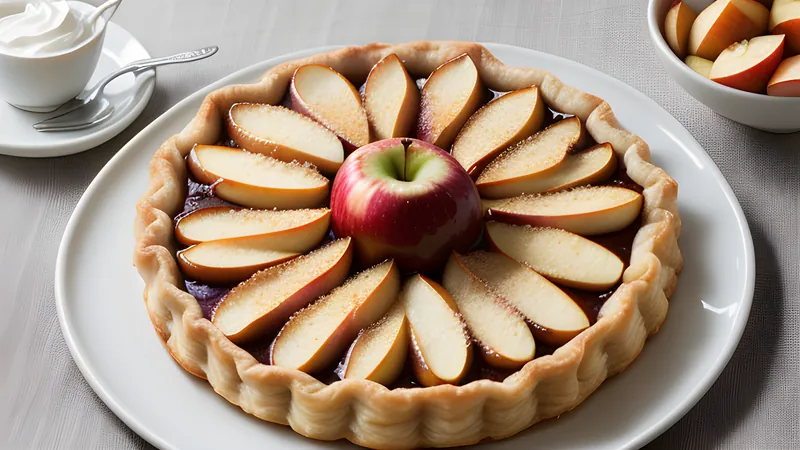
Apple and Calvados Tarte Tatin
Ingredients
- 6 to 7 firm dessert apples, such as Braeburn or Cox
- 150g caster sugar
- 60g unsalted butter
- 2 tbsp Calvados
- 0.25 tsp fine salt
- 1 x 320g sheet of all-butter puff pastry
- Crème fraîche or vanilla ice cream, to serve
Method
- Peel, halve and core the apples. Toss them with one tablespoon of the Calvados and set aside.
- Heat the oven to 190C fan.
- Scatter the sugar evenly over a 23cm ovenproof frying pan and cook over a medium heat, without stirring, until it melts and turns a deep amber caramel.
- Take off the heat, carefully whisk in the butter and salt, then the remaining tablespoon of Calvados; it will splutter.
- Arrange the apple halves snugly, rounded side down, in concentric circles in the caramel.
- Return to a medium heat and cook for about 15 minutes, basting the apples, until they begin to soften and the caramel thickens.
- Unroll the puff pastry, cut a circle slightly larger than the pan, and lay it over the apples, tucking the edges down inside the pan.
- Bake for 28 to 32 minutes until the pastry is deep golden and puffed.
- Rest for 5 minutes, then run a knife around the edge, place a serving plate over the pan and confidently invert.
- Serve warm with crème fraîche or vanilla ice cream.
Few puddings deliver as much drama for as little fuss as a tarte Tatin. You build it upside down, apples caramelising in the pan beneath a blanket of pastry, and the moment of truth comes when you flip the whole thing over and pray. Done right, it lands as a glossy, burnished disc of caramel-soaked apple crowned with crisp puff pastry. This version adds a measured splash of Calvados, the apple brandy of Normandy, which sharpens the caramel and amplifies the fruit, tying the whole tart together with a warm, boozy hum that suits a cold December evening.
1 The happy accident of the Tatin sisters
The most charming origin story in French pastry belongs here, and like all good ones it may be more legend than fact. The tarte Tatin is said to have been invented by accident in the 1880s at the Hôtel Tatin in Lamotte-Beuvron, a small town in the Loire valley run by two sisters, Stéphanie and Caroline Tatin. As the story goes, Stéphanie, harried during a busy service, left her apples cooking in butter and sugar too long, and in a panic to rescue them simply laid the pastry on top and shoved the lot in the oven, turning it out upside down to serve. The guests loved it, the dish stuck, and an upside-down apple tart became a French classic.
Whether or not it truly happened that way, the tart became famous when it was adopted by the celebrated Maxim’s restaurant in Paris, which put it on the menu as tarte des demoiselles Tatin, the tart of the Tatin maidens. Pairing it with Calvados only deepens the regional logic of apples; Normandy is cider and apple-brandy country, where Calvados is distilled from cider and traditionally drunk between courses to aid digestion in a custom known as the trou normand, the Norman hole.
2 Caramel without fear
The heart of this tart is a dry caramel, and it is the step that frightens people unnecessarily. Scatter the sugar in an even layer in the pan and leave it alone over a medium heat. Resist the urge to stir, which causes the sugar to clump and crystallise; just swirl the pan occasionally as patches begin to melt. Cook it to a deep amber, the colour of an old penny, because a pale caramel tastes only sweet while a properly dark one brings the bitter, complex notes that make the tart. Then whisk in the butter and Calvados off the heat, standing back as it splutters.
3 Apples, arranging and the all-important flip
Choose firm apples that hold their shape. Soft cooking apples like Bramleys will collapse into sauce, which is delicious but not a tarte Tatin; a crisp dessert apple such as Braeburn, Cox or Granny Smith stays in neat, tender pieces. Pack the halves in tightly, rounded side down, as they shrink considerably during cooking and you want a dense layer with no gaps.
Lay the pastry over the top and tuck the edges down inside the pan, which creates a neat rim once inverted. Bake until deep golden and well puffed, then rest for a few minutes so the bubbling caramel settles. The flip is the only nerve-racking part: loosen the edges, set a plate firmly over the pan and turn the whole thing over in one decisive movement, well away from bare skin, because hot caramel burns badly. Hesitation is the enemy.
4 Tips, fixes and serving
If any apples stick to the pan after flipping, just lift them off and press them back into place; no one will ever know. If the caramel looks thin and runny, you can pour it back into the pan, reduce it for a minute and spoon it over.
Make it a few hours ahead and serve warm rather than hot, when the caramel has thickened to the perfect consistency. To reheat, warm the whole tart briefly in a low oven. A spoonful of cold, sharp crème fraîche or a scoop of vanilla ice cream against the warm caramel is the classic finish, the cool, sour cream cutting cleanly through all that sweetness. Pears make a lovely autumn variation, and a pinch of cinnamon or a vanilla pod in the caramel never goes amiss.
Related Content