Almond Financiers with Brown Butter
Tiny French cakes with crisp edges and nutty depth
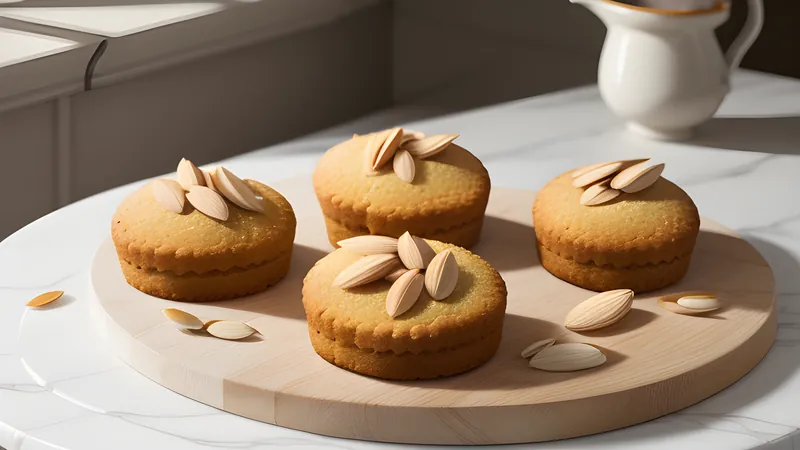
Almond Financiers with Brown Butter
Ingredients
- 120g unsalted butter, plus extra for the moulds
- 100g icing sugar
- 75g ground almonds
- 50g plain flour
- 0.25 tsp fine salt
- 4 large egg whites (about 130g)
- 1 tsp vanilla extract
- 0.5 tsp almond extract (optional)
- Flaked almonds, to finish
Method
- Melt the butter in a small pan and cook over a medium heat until it foams, smells nutty and the milk solids turn deep golden brown. Pour into a bowl and cool slightly.
- Butter a 12-hole financier or shallow muffin tin generously and chill it.
- Sift the icing sugar and flour into a bowl, then stir in the ground almonds and salt.
- Whisk the egg whites by hand until just loose and frothy, not stiff.
- Stir the egg whites into the dry ingredients with the vanilla and almond extract until smooth.
- Whisk in the warm brown butter, leaving behind any very dark sediment, until you have a glossy batter.
- Rest the batter, covered, in the fridge for at least 30 minutes or overnight.
- Heat the oven to 200C fan, fill each mould about two-thirds full, scatter with flaked almonds and bake for 13 to 15 minutes until golden and risen.
- Cool in the tin for five minutes, then turn out onto a rack.
If you have ever stood at a French patisserie counter and quietly wondered what the little gold bars in the window were, this is your answer. Financiers are small almond cakes, traditionally baked in rectangular moulds meant to resemble bars of gold, with a crisp, faintly chewy crust and a soft, moist crumb that tastes intensely of toasted nuts and butter. They are a masterclass in how a short ingredient list can deliver an outsized result, and the single thing that makes them extraordinary rather than merely pleasant is brown butter.
1 A cake born in the financial district
The financier’s name and shape come, by the most-repeated account, from the Saint-Honore district of Paris near the old stock exchange, where a pastry chef is said to have devised a cake that bankers and traders could eat without ruining their gloves or scattering crumbs across their ledgers. The neat little gold ingot was both edible and a small joke about the clientele. Whether or not the story is entirely true, the form stuck, and financiers remain a fixture of French bakeries, sold alongside madeleines as the sophisticated, slightly more grown-up cousin.
What makes them so good is partly a matter of thrift. The recipe is built around egg whites, which means financiers were historically a way for pastry kitchens to use up the whites left over after making custards and other yolk-heavy preparations. Combine those whites with ground almonds, icing sugar, a little flour and a great deal of butter, and you get a batter that bakes into something far greater than the sum of its parts.
2 Brown butter is the whole point
You can make a perfectly decent financier with plain melted butter. But the classic, and the version worth your time, uses beurre noisette, literally hazelnut butter, so named for the colour and aroma it takes on as it cooks. Heating butter past the point of melting drives off its water and toasts the milk solids until they turn golden brown and release a rich, nutty, almost caramelised scent. Stir that into an almond batter and the two nutty flavours amplify each other into something deep and toffee-edged.
The technique is simple but needs attention at the end. Melt the butter, let it foam, and keep watching as the foam subsides and little brown flecks appear at the bottom of the pan. The moment it smells like toasted nuts and the solids are deep gold, take it off the heat, because the line between brown butter and burnt butter is about fifteen seconds. A pale-bottomed stainless pan makes the colour far easier to judge than a dark non-stick one.
3 Resting the batter
The other quiet secret is patience. Financier batter benefits enormously from a rest in the fridge, and overnight is ideal. Chilling firms the butter so the cakes hold their shape and rise tall, and it gives the almonds and flour time to hydrate, which improves both texture and flavour. A rested batter bakes into financiers with that signature contrast of crackly, slightly domed top and a dense, damp interior. If you are in a hurry, thirty minutes will do, but the overnight version is noticeably better and conveniently means you can bake them fresh for breakfast.
4 Tins, heat and timing
A proper financier mould gives you the traditional bars, but a shallow muffin tin or even a mini-muffin tin works perfectly well; just adjust the baking time down for smaller cakes. Butter the moulds generously and chill the tin before filling, which helps the cakes release cleanly and encourages those crisp edges. Bake hot, around 200C fan, so the outside sets quickly while the inside stays moist. They are ready when golden and just springy to the touch, with a slightly sunken centre that firms as it cools.
5 Variations to keep them interesting
Financiers are a generous base for experiment. Press a raspberry or two into the top of each before baking, where the tartness cuts the richness beautifully. Swap a portion of the ground almonds for ground pistachios or hazelnuts to shift the flavour, or add the finely grated zest of a lemon for brightness. A scrape of matcha gives a striking green crumb and a gentle bitterness, while a few drops of orange blossom water nods to the financier’s North African and Middle Eastern almond ancestry. However you flavour them, keep the brown butter, because it is the thing that earns these unassuming little cakes their gold.
Related Content