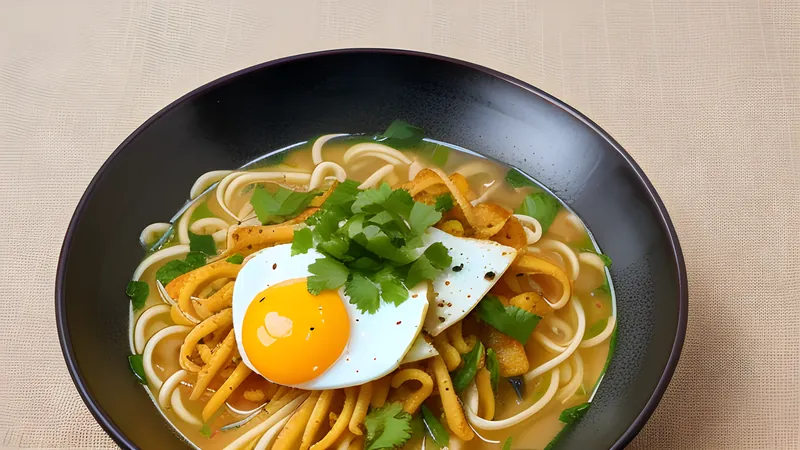
Ackee and Saltfish, the Jamaican Way
Jamaica's national dish, built on properly soaked salt cod and gently folded ackee
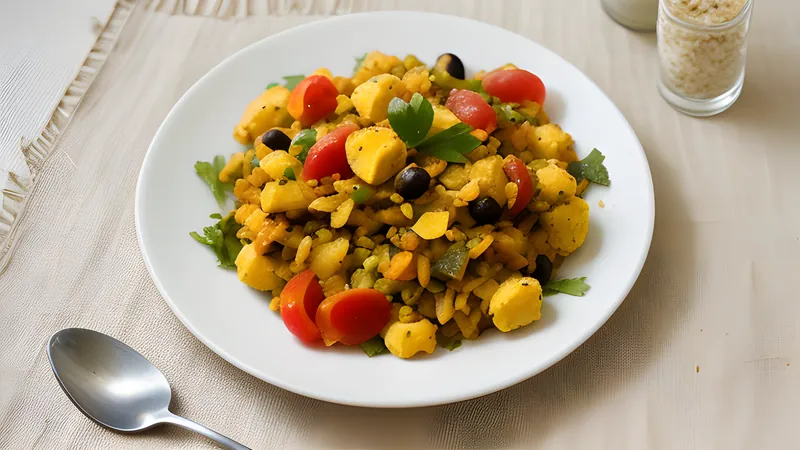
Contents
↓ Jump to recipeSay “ackee and saltfish” to anyone who grew up in Jamaica and you will get a specific look: this is the national dish, the Sunday-morning smell, the thing that says home. It pairs a buttery yellow fruit with salted cod, and the combination sounds unlikely until you eat it, at which point the logic is obvious. The ackee, cooked, has the soft richness of scrambled egg with a faint nuttiness; the saltfish brings savour and backbone. Together they make one of the most satisfying breakfasts in the Caribbean, usually eaten with something starchy on the side to mop it up.
Both halves of the dish arrived in Jamaica by force and circumstance, and the pairing is a piece of history you can taste. Ackee (Blighia sapida) is native to West Africa and travelled to the island on slave ships in the eighteenth century; its botanical name honours Captain William Bligh, of Bounty fame, who carried specimens to Kew. Salt cod came the other way, part of the brutal triangular trade that shipped preserved fish to feed enslaved people on the plantations. What began in cruelty was made, by generations of Jamaican cooks, into something genuinely beloved.
Ackee and Saltfish, the Jamaican Way
Ingredients
- 350 g boneless salt cod (saltfish)
- 2 x 540 g tins ackee, drained and gently rinsed (or 6 fresh ackee, cleaned)
- 3 tbsp coconut oil
- 1 large onion, sliced
- 1 red bell pepper, sliced
- 3 medium tomatoes, halved
- 4 spring onions, sliced
- 3 garlic cloves, minced
- 1 scotch bonnet chilli, left whole (or finely chopped for full heat)
- 6 sprigs fresh thyme
- 1/2 tsp ground allspice (pimento)
- 1/2 tsp freshly ground black pepper
- Lime wedges, to serve
Method
- Soak the salt cod in cold water for at least 8 hours (or overnight), changing the water two or three times. Alternatively, boil it in fresh water for 15-20 minutes, drain, taste, and repeat if still very salty.
- Drain the desalinated cod, remove any skin and bones, and flake the flesh into rough 2 cm pieces. Set aside.
- Heat a dry heavy frying pan over a high heat and char the tomato halves, cut-side down, for 3-4 minutes until blackened in patches. Chop roughly and set aside.
- Warm the coconut oil in the pan over a medium heat. Add the onion, bell pepper, thyme and whole scotch bonnet and sweat gently for 6-7 minutes until soft.
- Add the garlic, spring onions and allspice and cook for 1 minute. Stir in the charred tomatoes and cook for 3 minutes until they collapse into a loose sauce.
- Add the flaked saltfish and toss for 2-3 minutes to warm through and take on the flavours. Season with black pepper (it will need little or no salt).
- Tip in the drained ackee. Fold it through with a gentle hand, using a spatula and a slow lifting motion, for 2-3 minutes just to heat it, taking care to keep the arils whole.
- Remove the whole scotch bonnet and the thyme stalks. Serve hot with lime wedges, alongside fried dumplings, boiled green banana or breadfruit.
A word on ackee, and safety
Ackee deserves respect, because unripe fruit is genuinely dangerous. The pods must open naturally on the tree before they are picked; only then are the fleshy yellow arils safe to eat, and only the aril, never the pink membrane or the shiny black seed. Unripe ackee contains hypoglycin A, a toxin that can cause severe illness, so fresh ackee is something to buy from someone who knows what they are doing, or not at all.
For most cooks outside Jamaica the sensible route is tinned ackee, which is picked ripe, cleaned and cooked before canning, and is perfectly safe. It is delicate stuff: soft, pale, and quick to turn to mush if you stir it about. Drain it, rinse it very gently, and from that point handle it as if it were poached egg. The single most common mistake with this dish is an over-enthusiastic spoon that reduces the ackee to a paste. You want the arils to stay recognisably whole, glistening and just heated through.
Soaking the saltfish: don’t rush it
Salt cod is preserved by burying fresh cod in salt, which draws out the water and, in the old days, let it survive an Atlantic crossing. Before you can cook it you have to reverse that process, and this is the step that decides whether your breakfast is seasoned or inedible. Soaking in several changes of cold water over eight hours or overnight is the gentlest method and gives the best texture, leaving the fish supple rather than rubbery.
If you have forgotten to soak it, the faster route is to boil the cod in plenty of unsalted water for fifteen to twenty minutes, then drain and taste a flake. Modern salt cod is often less aggressively salted than the traditional kind, so one boil may be enough; if it still makes you wince, boil it again in fresh water. Either way, taste before you commit, because you cannot take salt out once it is in the pan. Once desalinated, flake the fish by hand and feel for the small bones and any tough skin, which pull away easily.
The clever bit: char the tomatoes first
Here is the small change that lifts a workaday ackee and saltfish into something with real depth. Most recipes soften the tomatoes in the pan along with everything else, which is fine and gives a fresh, bright sauce. Charring them first in a dry, screaming-hot pan until the skins blacken in patches adds a smoky, concentrated sweetness underneath the savour of the fish, and it takes about four minutes. The blistered edges bring the same appeal you get from a fire-roasted salsa, and it plays beautifully against the richness of the ackee.
Coconut oil is the fat I reach for, because its faint sweetness belongs to Caribbean cooking and it carries the thyme and allspice well. Bacon fat is a common and delicious alternative, and some cooks fry a little chopped bacon at the start for smokiness. Whichever you use, keep the heat moderate once the aromatics go in; you are sweating the onion and pepper to softness, coaxing out their sweetness rather than colouring them.
Aromatics, and the scotch bonnet question
The flavour base is onion, bell pepper, spring onion, garlic, thyme and scotch bonnet, with a whisper of allspice, which Jamaicans call pimento and use in nearly everything. Scotch bonnet is essential for the fragrance as much as the fire; it has a fruity, almost apricot aroma that is unmistakably Caribbean. If you want that perfume without the burn, drop the chilli in whole and unbruised, let it steep in the pan, and lift it out before serving. For proper heat, chop it finely and take the seeds out or leave them in according to nerve.
Fresh thyme goes in on the stalk and comes out at the end, having given its resiny note to the oil. Allspice is the quiet workhorse: half a teaspoon of the ground berry adds a warm, clove-and-pepper background that ties the dish to the wider world of Jamaican cooking. Add it with the garlic so it toasts for a moment in the hot fat and blooms.
Bringing it together, gently
The assembly is quick once everything is prepped. Sweat the aromatics, add the charred tomato and let it slump into a loose sauce, then fold in the flaked saltfish just to warm it. The ackee goes in last, and this is the moment to slow down. Use a spatula and a lifting, folding motion rather than stirring, turning the mixture over on itself so the arils warm through without breaking. Two or three minutes is plenty; the ackee is already cooked and only needs heating. Pull out the thyme stalks and the whole chilli, if you used it that way, and finish with a squeeze of lime, which cuts the richness and wakes everything up.
Season carefully at the end. The saltfish carries most of the salt, so you may need none at all, just black pepper. Taste before you reach for the salt cellar.
What to serve it with, and keeping it
In Jamaica this comes with fried dumplings (crisp, chewy “johnny cakes”), boiled green banana, roasted breadfruit, or festival, the sweet fried cornmeal fingers that go with everything. Any of them turns the dish into a proper plate; a simple slice of hard-dough bread or good toast will also do the job of soaking up the sauce. It is a breakfast in Jamaica but eats happily at any time of day.
Ackee and saltfish is best eaten fresh, while the arils are intact and the sauce is loose. It keeps in the fridge for a day and reheats gently in a pan, though the ackee softens further, so treat leftovers as a slightly different, more scrambled dish. If it is the Caribbean table you are drawn to, the same salted-and-preserved-fish thinking runs through Callaloo Soup with Coconut and Crab, while the smoked-fish-and-spice logic of a British breakfast plays out in Kedgeree with Smoked Haddock and Curried Butter. For another savoury, tomato-and-chilli morning plate, Huevos Rancheros with Charred Salsa and Refried Beans shares this dish’s love of a blistered tomato base.
Related Content