National Shortbread Day
There is a recipe Scottish bakers still recite like a charm: one, two, three. One part sugar, two parts butter, three parts flour. That is the whole of traditional shortbread, and the remarkable thing is that it has needed almost nothing else for the better part of a thousand years. No leavening, no egg, no flourish — only good butter and the patience to bake it slow and pale. National Shortbread Day, observed each 6 January in the first cold week of the year, honours a biscuit that proves restraint can be its own kind of luxury, and that some things arrive perfect and stay that way.
From leftover bread to butter
Shortbread did not begin as a biscuit at all. Its ancestor was “biscuit bread”, a way of using up surplus bread dough by sweetening it, twice-baking it and drying it into a hard rusk — the word biscuit itself means “twice cooked”. The decisive change came when bakers began replacing the yeast with butter, and the dough stopped being bread and became something altogether richer. The “short” in shortbread is the baker’s term for that texture: the fat coats the flour and prevents long strands of gluten from forming, so the crumb stays tender and breaks cleanly rather than stretching. Some historians link this early refinement to the cultural exchange of the Auld Alliance, the centuries-long bond between Scotland and France that brought French pastry methods north.
Because butter was expensive, shortbread was for a long time a treat for the well-off and the special occasion — weddings, Christmas and, above all, Hogmanay, the Scottish New Year. That association with celebration is no accident, and it is what makes an early-January observance feel so apt: shortbread was the biscuit of the turning year long before any calendar declared a day for it.
A queen, a petticoat and a likely pun
The most famous origin story attaches shortbread to Mary, Queen of Scots, who is popularly credited with refining it in the sixteenth century. The thin triangular wedges cut from a round, known as “Petticoat Tails”, are especially tied to her court, the story going that they resembled the lace-edged petticoats worn by the ladies of the Elizabethan and Stuart courts.
It is a good story, and a baker should be honest that it is mostly that. The evidence linking Mary directly to shortbread is thin, and the name “Petticoat Tails” is more plausibly a corruption of the French petites gatelles — “little cakes” — which would fit neatly with the French-pastry influence of the Auld Alliance. The truth is probably less romantic than a Catholic queen and her court, but the linguistic trail is the more convincing of the two.
The shapes and the makers
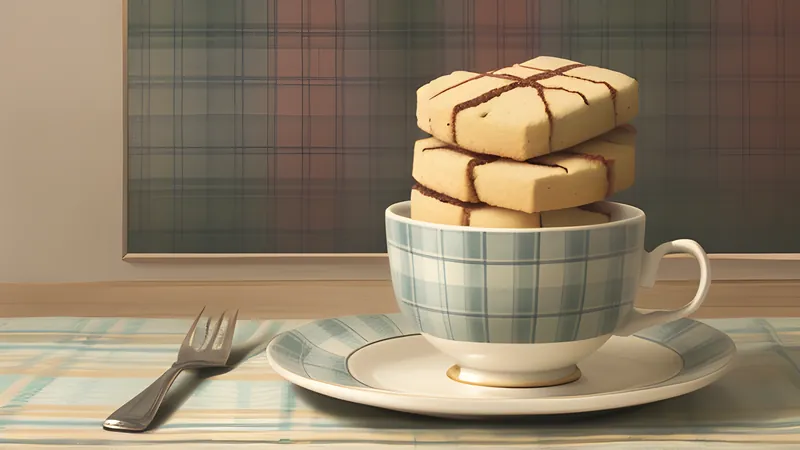
Over the centuries shortbread settled into three classic forms: the round “Petticoat Tail”, scored into wedges before baking; the thick rectangular “finger”; and the small individual round biscuit. The surface is traditionally pricked all over with a fork, which is not decoration but engineering — it lets steam escape and stops the dense dough doming as it bakes.
The biscuit’s leap from regional treat to global export owes a great deal to one family firm. Joseph Walker opened a small bakery in the Highland village of Aberlour in 1898, reputedly with a loan of fifty pounds, working from his own recipes, and the company his descendants still run turned the tartan-wrapped tin of shortbread into a recognisable emblem of Scotland worldwide. The plain butter recipe Walker insisted on — flour, sugar, butter, salt, and nothing else — is, in commercial terms, almost defiantly austere, and it is precisely that purity that became the brand.
Shortbread also has a quieter foothold in Scottish literary and social history. In eighteenth-century Edinburgh, the biscuits were sold from Mrs Flockhart’s tavern and shop in the Potterrow; the proprietress is thought to have been the model for the character of the same name in Walter Scott’s Waverley, a small reminder that shortbread was once a fixture of the everyday economy of the city as much as of the festive table. Long before the tartan tin, it was simply what a Scottish household made when there was butter to spare and a reason to celebrate.
Why so little works so well
Shortbread endures because it is honest. With only three or four ingredients there is nowhere to hide: the quality of the butter and the judgement of the baker are the entire performance. Overwork the dough and the gluten develops and the crumb turns tough; bake it too hot and the sugar browns before the centre is done. The temperature of the butter matters more than seems reasonable for so plain a recipe — too soft and the dough turns greasy and spreads, too cold and it will not come together at all. Many bakers add a small proportion of rice flour or cornflour to the wheat flour, which has no flavour of its own but lends the finished biscuit an extra crumbliness and a cleaner, more delicate snap. The discipline is in doing almost nothing, and doing it carefully. There is a quiet argument in a national day for such a thing — that simplicity executed well is harder, and more worth celebrating, than complication.
How it is marked
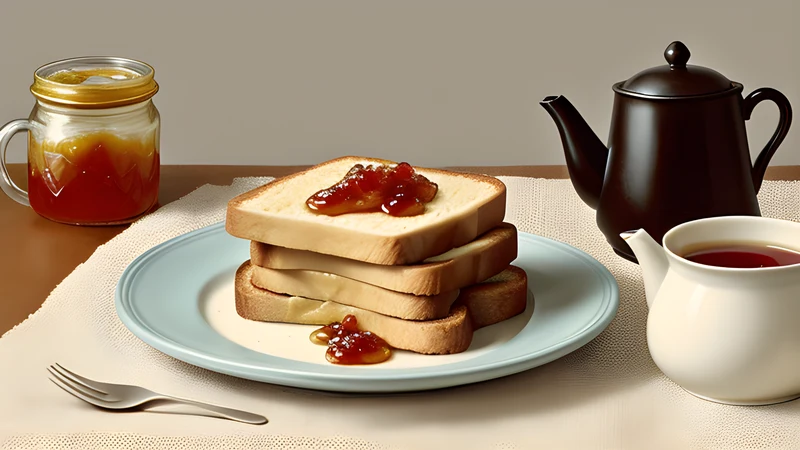
The day is observed, most pleasingly, by baking and eating. Home cooks press the stiff, sandy dough into a tin, prick it, and bake it low and slow until it is barely coloured at the edges — golden, never brown. The dough is chilled before baking so the butter firms up and the shapes hold; the biscuits are scored into fingers or wedges while still warm and soft, because shortbread shatters if you wait until it has cooled to cut it. Others skip the labour entirely and simply seek out their preferred maker’s tartan tin. The proper way to enjoy it is unhurried and with a pot of strong tea, the biscuit either dunked or savoured plain, ideally in the slow hour of an early-January afternoon when there is nowhere in particular to be. In Scotland it remains bound to Hogmanay and to first-footing, the custom in which the first person to cross a threshold after midnight on New Year’s Eve brings symbolic gifts — coal, whisky, and very often shortbread — to wish the household prosperity.
Beyond Scotland
Though Scottish to its core, shortbread has been copied affectionately the world over, from Scandinavian and German butter biscuits to the cornflour-laden versions popular across the English-speaking world. The Breton galette and sablé, the Italian frollini and even the simple butter biscuits of Scandinavia all rest on the same principle of a high proportion of fat to flour, and the family resemblance is unmistakable once you know to look for it. Modern bakers fold in lavender, lemon zest, chocolate or chopped nuts, and “millionaire’s shortbread” — a shortbread base layered with caramel and chocolate — has become a teatime fixture in its own right. Purists, predictably, insist the plain finger remains unsurpassed, and there is something to the view: every addition asks the butter to share the stage, and the butter is the whole reason anyone bakes shortbread in the first place.
As a treat tied firmly to celebration and the cold turn of the year, shortbread keeps good company with the other small festive comforts of midwinter, and with the wider world of sweet things given a day of their own. Its place at the British tea table also sets it among the everyday pleasures of the larder that reward good raw ingredients above all else.
Fun facts
- The traditional shortbread ratio is one part sugar to two parts butter to three parts flour — easy to remember and nearly foolproof.
- “Petticoat Tails”, the wedge-shaped shortbread, probably owes its name not to ladies’ undergarments but to the French petites gatelles, “little cakes”, a relic of the Auld Alliance.
- The word “biscuit” means “twice cooked”, a hangover from shortbread’s origin as twice-baked, dried bread dough.
- Walkers, the firm that made tartan-tinned shortbread a global symbol of Scotland, has been baking to Joseph Walker’s original recipes since 1898 in the same Highland village of Aberlour.
- The fork holes pricked across the top are functional, not decorative: they release steam and stop the dense dough from rising and cracking.
A closing reflection
Most foods change because they have to — tastes shift, ingredients get cheaper, fashions move on. Shortbread is one of the rare ones that simply found its form and stopped. A biscuit that has resisted reinvention since at least Mary, Queen of Scots’ day says something quietly stubborn about pleasure: that not everything needs improving, and that the appetite for good butter, a little sugar and a warm cup of tea is among the more constant things people share. To mark its day is less to celebrate a recipe than to admit, with some relief, that perfection occasionally arrives early and asks only to be left alone.
Related Content