National Prosecco Day
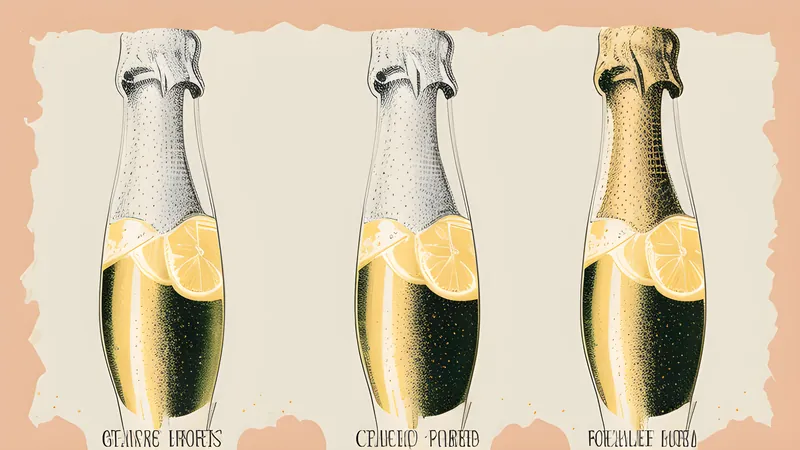
In the summer of 1948, in a narrow bar near the Grand Canal in Venice, a barman named Giuseppe Cipriani crushed white peaches into a pulp, mixed them with a cold sparkling wine from the hills just north of the city, and named the result the Bellini after the pink-toned light in a Renaissance painter’s canvases. The fizzy wine he reached for was prosecco, and that small act of improvisation at Harry’s Bar tells you almost everything about how the drink is meant to be used: casually, generously, on an ordinary afternoon rather than a state occasion. National Prosecco Day, observed each year on 13 August, raises a glass to exactly that spirit. Light, gently fruity and refreshingly unfussy, prosecco is the wine of the impromptu toast, and its midsummer day is an invitation to pop a cork without waiting for a wedding.
Where the day comes from
National Prosecco Day is a modern invention, the kind of food-and-drink observance that grew up alongside marketing calendars and social media rather than through any official decree. Its precise founder and first year are not reliably documented, and it is more honest to say so than to manufacture a tidy origin story. What is clear is that the day rode the wave of prosecco’s extraordinary commercial rise from the late 2000s onwards, when the wine became one of the fastest-growing categories in the global drinks trade, overtaking Champagne in volume and turning a regional Italian fizz into a worldwide phenomenon. The choice of mid-August is apt: it lands in the warmest stretch of the northern-hemisphere summer, the season of garden parties and long lunches when a chilled sparkling wine is most at home.
The wine’s deeper roots
The drink itself has a history far older than its day. Prosecco takes its name from a village near Trieste, on the border between Italy and Slovenia, and the grape behind it is now called Glera. For most of its life that grape was itself known as Prosecco, a name it shared with the wine, until 2009, when Italian authorities formally renamed the variety Glera. The reason was protective: by detaching the grape’s name from the wine’s, the rules ensured that only sparkling wine from the designated regions of north-eastern Italy could legally be called prosecco, closing a loophole that had let producers elsewhere borrow the name.
That same year, 2009, the most prestigious heartland of production, the steep hills around Conegliano and Valdobbiadene in the Veneto, was elevated to DOCG status, Italy’s highest wine classification. Winemaking on these near-vertical slopes is brutally labour-intensive: the terraces, known locally as ciglioni, are too steep for machinery, so the vines must be tended and harvested by hand. In 2019 this landscape of grassy terraces and chequerboard vineyards, shaped by farmers since the seventeenth century, was recognised by UNESCO as a World Heritage site, a measure of how deeply the wine is woven into the region’s identity.
How prosecco is made
What sets prosecco apart from Champagne is not only geography but method. Champagne undergoes its second, bubble-creating fermentation inside each individual bottle, a slow and costly process. Prosecco is instead made chiefly by the tank method, also called the Charmat method, in which the second fermentation happens in large pressurised steel vessels before the wine is bottled. This is quicker and cheaper, but it also serves the wine’s character: it preserves the fresh, floral, green-apple lift of the Glera grape rather than developing the deep, bready, autolytic notes that long bottle-ageing gives to Champagne. Prosecco is not trying to be Champagne; it is trying to taste of orchards and spring blossom, and the method is chosen to keep it that way.
The rise, and the pink newcomer
Prosecco’s transformation from regional curiosity to global staple happened with astonishing speed. The turning point came in 2013, when prosecco outsold Champagne for the first time, by 307 million bottles to 304 million, and it has not looked back since. The scale of production behind that boom is easy to underestimate: the broader Prosecco DOC zone now sprawls across two regions, Veneto and Friuli-Venezia Giulia, covering tens of thousands of hectares, which is what allows the wine to be made in the volumes that keep it affordable. A more recent chapter opened on 28 October 2020, when the rules were changed to permit an official rosé, Prosecco DOC Rosé, made by blending the Glera grape with a small proportion of Pinot Nero, between roughly ten and fifteen per cent. The pink version was an instant commercial success, riding the same wave of casual celebration that built the original. Critics grumbled that it was a marketing exercise; drinkers, by and large, did not care.
Why it matters
A day for prosecco is, at heart, a day for accessible pleasure. Champagne carries an air of expense and ceremony that can make it feel reserved for milestones; prosecco democratised the bubble, putting genuine celebration within everyday reach. There is a quiet dignity in that. The day also nods, however lightly, to the growers whose hand-worked terraces make the wine possible, and to the craft of a region that turned an awkward, steep terrain into one of the world’s most recognisable drinks. The same easygoing conviviality animates other summer food days such as National Ice Cream Day, where the point is shared, unhurried enjoyment rather than occasion.
How it is celebrated
Celebrations are agreeably simple: a chilled bottle shared among friends, a round of prosecco cocktails, or a visit to a bar offering tastings. Two drinks in particular have carried prosecco far beyond Italy. The Aperol Spritz, that luminous orange aperitivo of three parts prosecco, two parts Aperol and a splash of soda, became a summer ritual far beyond Italy; though Aperol itself was launched by the Barbieri brothers, Luigi and Silvio, at the 1919 Padua International Fair, the spritz as we know it only took its modern form in the 1950s. The Bellini, Cipriani’s 1948 invention, remains the other great prosecco cocktail, its white-peach purée and cold fizz a taste of Venetian summer. Bottomless brunches, where prosecco flows by the carafe, have done as much as any marketing campaign to spread the wine’s reputation among a younger generation. A good cocktail pairing is part of the appeal, much as it is for the spirits feted on US National Vodka Day.
Serving and styles
Prosecco is best served cold, around six to eight degrees Celsius, which keeps it crisp and stops the bubbles from feeling flabby. Sommeliers increasingly recommend a larger tulip glass over the narrow flute, since the extra room lets the wine’s aromas of pear, white blossom and green apple open up. The wine comes in three broad styles: spumante, fully sparkling and the most familiar; frizzante, lightly fizzy with a softer mousse; and a still version, tranquillo, rarely seen outside the region. The gentle sigh of the cork, rather than a theatrical bang, is the sound the wine is meant to make.
Fun facts
- The grape behind prosecco was officially renamed from Prosecco to Glera in 2009, a deliberate move to stop producers outside the protected zones from borrowing the name.
- The United Kingdom became one of prosecco’s largest export markets, at times importing more of it by volume than any other nation, helping turn a regional Italian wine into a global staple.
- The steep Conegliano and Valdobbiadene hills were declared a UNESCO World Heritage site in 2019, recognising terraces worked by hand since the seventeenth century.
- The Bellini cocktail was named not after a place but after Giovanni Bellini, the fifteenth-century Venetian painter whose warm, rosy light reminded Giuseppe Cipriani of the drink’s colour.
- Prosecco is usually made in pressurised steel tanks rather than the bottle, a method that costs less but is also deliberately chosen to keep the wine fresh and floral rather than bready.
- Prosecco first outsold Champagne in 2013, by 307 million bottles to 304 million, marking the moment a regional Italian fizz overtook the world’s most famous sparkling wine.
- An official pink prosecco did not exist until 28 October 2020, when new rules permitted Prosecco DOC Rosé, made by blending Glera with a little Pinot Nero.
A closing reflection
It is easy to dismiss prosecco as Champagne’s cheaper understudy, but that misreads what it is for. A wine becomes ordinary in the best sense when it stops being a trophy and starts being a habit, when a bottle can be opened on a Tuesday because the evening is warm and friends have stayed late. The terraces above Conegliano represent centuries of stubborn hand-labour on slopes that should never have grown anything at all, and the wine they produce ends up, more often than not, in a paper cup at a barbecue. There is a kind of generosity in that journey, from impossible hillside to easy afternoon, and on 13 August it is worth a quiet toast of its own, ideally raised in a glass large enough to let the orchard come through.
Related Content