Lammas Day
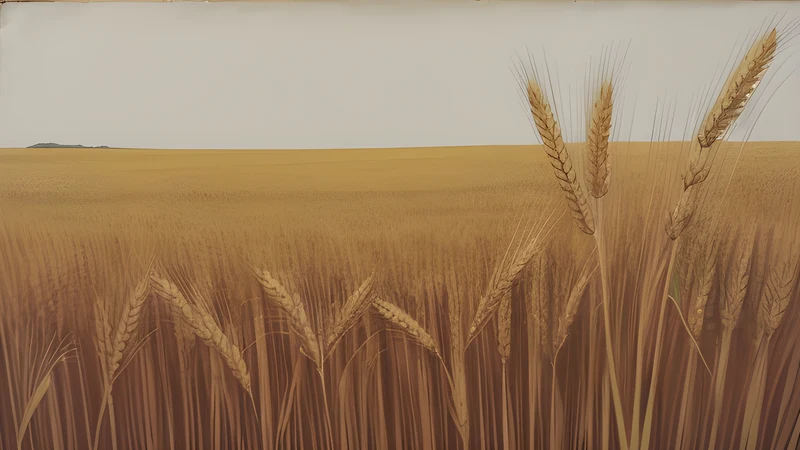
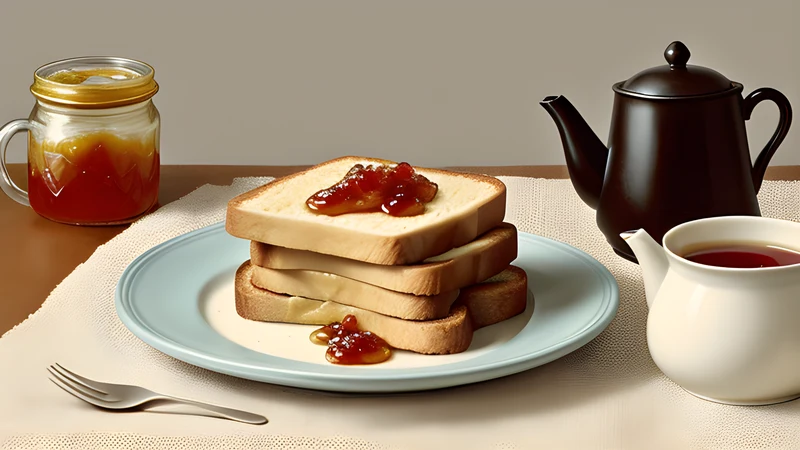
On the first of August in Anglo-Saxon England, a farmer would take the very first grain of the new harvest, grind it, bake it into a loaf, and carry that loaf to church to be blessed. The Old English called the occasion hlāfmæsse — “loaf-mass” — and over the centuries the tongue wore it down to “Lammas.” It is one of the oldest surviving markers of the English agricultural year, a day that sits at the exact hinge between the anxious waiting of high summer and the relief of the gathered crop. Lammas Day, still kept on 1 August, is the festival of first fruits: the moment when a community that had lived all winter on dwindling stores could finally hold new bread in its hands.
The Meaning of the Name
The name is refreshingly literal. Hlāf is the Old English word for loaf or bread — it is the same root that gives us “lord,” from hlāford, the “loaf-ward” or bread-keeper, and “lady,” from hlǣfdige, the “loaf-kneader.” Mæsse is the church mass. Put together, Lammas is simply the mass at which bread was blessed. An older, learned name for the day was the “Gule of August,” of uncertain origin, and it was sometimes called the Feast of First Fruits, echoing the offerings of early ripe grain described in the Hebrew scriptures. The consistency of the loaf-mass name across centuries of records shows how central bread was to survival: the first loaf of the year deserved a ceremony of its own.
History and the Farming Year
The clearest early evidence comes from the Anglo-Saxon Chronicle and from church calendars, which mark 1 August as the feast of first fruits from at least the ninth and tenth centuries. One surviving Anglo-Saxon field charm instructs the farmer to take the Lammas loaf, break it into four pieces, and lay a piece in each corner of the barn to protect the stored grain — a striking blend of Christian blessing and older protective magic that tells us the day was woven deep into practical life.
Lammas also structured the medieval landscape in a concrete way. In the open-field system, certain meadows and fields were designated “Lammas lands”: after the hay or corn was taken, on or around Lammas Day, the enclosing hedges came down and the land reverted to common pasture, on which villagers could graze their animals until the following spring. The rhythm of opening and closing the fields was governed by this date, and a handful of surviving Lammas lands in England still carry those ancient common rights today. In Scotland, Lammas became one of the four quarter days — the dates on which rents fell due, servants were hired and legal terms began — alongside Candlemas, Whitsunday and Martinmas, which gave the harvest festival a hard administrative edge as well as a religious one.
Lughnasadh, the Gaelic Neighbour
Lammas shares its date, and much of its meaning, with the Gaelic festival of Lughnasadh, one of the four great seasonal feasts of the Celtic year alongside Samhain, Imbolc and Beltane. Lughnasadh, named for the god Lugh, marked the start of the harvest with fairs, athletic games, matchmaking and the climbing of hills. In Ireland the tradition survives most visibly in the pilgrimage up Croagh Patrick and in hill-gatherings on the last Sunday of July, sometimes called Reek Sunday or the older Domhnach Chrom Dubh. Whether the Anglo-Saxon loaf-mass and the Gaelic Lughnasadh grew from a single common root or simply landed on the same natural turning-point of the farming year is debated, but they clearly reinforced one another across the islands, and modern observers often treat the two as facets of the same early-August harvest moment. Lammas sits in the wheel of the seasons between Midsummer’s Eve and the autumn feast of Michaelmas.
Importance
For most of English history, bread was the foundation of the diet rather than a side dish, and grain was the difference between comfort and famine. That makes the symbolism of Lammas unusually direct. The blessing of the first loaf was a moment of collective relief and gratitude at the point when the year’s greatest gamble — would the harvest come in? — had finally paid off. It also carried an implicit warning: the harvest had to be got in quickly and safely, and Lammastide was the beginning of the hardest working weeks of the rural year, when whole villages laboured from dawn to dusk to bring in the corn before the weather turned.
How It Is Celebrated
The medieval Lammas has faded, but it never entirely disappeared, and the modern harvest festival held in many British churches in September is its direct descendant. Some Anglican and other churches have revived a specific Lammas loaf service on or near 1 August, baking a special loaf — sometimes shaped like a wheatsheaf — to be blessed at the altar. Contemporary Pagan and Wiccan traditions keep the day, usually under the name Lughnasadh or Lammas, as one of the eight festivals of the Wheel of the Year, marking it with bread, the making of corn dollies from the last sheaf, and thanksgiving for the first harvest. Community bakeries, historic farms and folk societies sometimes stage Lammas fairs, echoing the great medieval hiring and trading fairs that clustered around the date.
Traditions and Symbols
Bread is the obvious symbol, and the shaping of a wheatsheaf loaf remains the most vivid Lammas custom. The corn dolly — a figure plaited from the last stalks of the harvest — carried the older belief that the spirit of the corn lived on in the final sheaf, to be kept safe over winter and returned to the fields at spring sowing. Wheat, barley, the sickle and the scythe all belong to the day’s imagery, as do the first apples and berries that ripen in early August.
Weather Lore and the Turning of the Year
Falling at the start of August, Lammas caught the countryside at its most weather-anxious, and a body of folk belief grew up around it. Thunderstorms in the days after Lammas were watched closely, since a wet spell could flatten standing corn and ruin weeks of labour in a single afternoon; a dry Lammastide was counted a blessing. The day also marked a subtle shift in the light and the fields — the first hint that summer had crested and the slow slide towards autumn had begun — and traditional almanacs treated it as the true beginning of harvest-time rather than a midsummer high point.
There was a darker thread too. In the old belief that a spirit lived in the growing corn, the cutting of the last sheaf was a charged, faintly dangerous act, and communities devised games and rituals to decide who would strike the final blow, sometimes throwing sickles at the last standing stalks so that no single reaper could be blamed for killing the corn spirit. These customs, half-serious and half-play, show how a purely practical deadline — get the grain in — could gather to itself a whole imaginative world. Lammas belongs on the calendar alongside the other great seasonal hinges, from the spring fires of Walpurgis Night to the quarter-day reckonings that governed rents and hiring, each one a way of turning the bare mechanics of the farming year into something a community could mark together.
Fun Facts
Shakespeare gives Lammas a small immortal cameo: in Romeo and Juliet, the Nurse recalls that Juliet will be fourteen “come Lammas Eve at night,” fixing the heroine’s birthday to 31 July and making Lammastide a quiet hinge in the play’s timekeeping.
The word “lady” and the word “lord” both descend from bread through the Lammas root — the lord as the guardian of the loaf and the lady as the one who kneaded it — a linguistic fossil of just how central bread once was to household rank.
A few English towns still hold a Lammas fair by name, most famously the Ould Lammas Fair at Ballycastle in County Antrim, one of the oldest traditional fairs in Ireland, held each August and known for its dulse seaweed and “yellowman” toffee.
Because the old Julian calendar has drifted from the new, some traditional communities keep “Old Lammas” around 12 or 13 August, and certain grazing and rent customs were historically reckoned by that older date rather than 1 August.
The Lammas growth in an oak or beech — a second flush of paler leaves that many trees put out in high summer — takes its name from the same date, foresters having long noticed that this fresh burst of foliage appears reliably around the start of August.
A Closing Reflection
Lammas is a festival about the shortest possible distance between labour and its reward: seed sown in the dark of winter, tended through spring, sweated over in the heat, and finally held in the hand as a warm loaf on the first of August. Modern shoppers, for whom bread is always simply there, have lost the fear that gave the day its force. But the impulse behind it — to pause and be glad that the harvest came in at all — is one of the most human things any calendar can carry, and it is worth keeping even when the barns are full and the danger has passed.
Related Content