Galentine's Day
On 11 February 2010, NBC broadcast the sixteenth episode of the second season of Parks and Recreation, in which the relentlessly earnest civil servant Leslie Knope, played by Amy Poehler, hosts a breakfast for her female friends and explains it with the breezy authority of someone announcing an ancient custom: “It’s only the best day of the year. Every February 13th, my lady friends and I leave our husbands and our boyfriends at home, and we just come and kick it, breakfast-style. Ladies celebrating ladies.” The day she described, 13 February, did not exist before that script. It does now, and Galentine’s Day has become one of the rare cases of a holiday inventing itself on television and then walking out of the screen into the actual calendar.
A holiday born in a writers’ room
The most striking thing about Galentine’s Day is how thoroughly it was made up. There was no folk tradition behind it, no greeting-card company quietly seeding the idea. According to the show’s co-creator Michael Schur, nobody on the staff can even claim sole authorship of the gag; he has credited the writers’ room collectively. It was a throwaway character detail, exactly the sort of over-committed enthusiasm that defined Leslie Knope, and it might easily have stayed a one-episode joke like a hundred other sitcom inventions that never escaped their broadcast.
What gave it legs was the sincerity hiding inside the comedy. The joke landed because the underlying sentiment was real: that female friendship is sustaining, often under-celebrated, and worth a date of its own. Poehler’s character delivered the line as parody, but the feeling beneath it was earnest, and viewers responded to the feeling rather than the punchline. The episode aired two days before its own fictional date, and within a few years the fictional date had started showing up in real diaries.
From scripted joke to genuine observance
The crossover did not happen overnight. Through the early 2010s, fans of the show began hosting their own Galentine’s gatherings, half in tribute and half in earnest, and the date settled firmly on 13 February, slotting in neatly the day before Valentine’s Day. Social media accelerated everything. By around 2017, Galentine’s Day was trending each February across multiple platforms, and a large share of the people marking it had no particular attachment to Parks and Recreation at all. The holiday had outgrown its source.
Retailers and magazines, sensing both a charm and a sales opportunity, leaned in with cards, gift guides and brunch menus, which both spread the idea and gave it the slightly commercial sheen that now attaches to most February observances. The trajectory is a near-perfect case study in how television and the internet can, between them, turn a single scripted moment into a shared tradition observed by people who never saw the original scene.
How it is celebrated
In the original episode, Leslie does not merely host the breakfast; she hands out gifts she has agonised over, including a thousand-word essay she has written about each guest and a mosaic portrait made from crushed bottles of her friend’s favourite soda. The comedy lies in the sheer excess of the effort, but the template stuck, and real Galentine’s gatherings often carry a faint echo of that over-the-top thoughtfulness, the sense that the point is to make each friend feel specifically, individually appreciated rather than generically included.
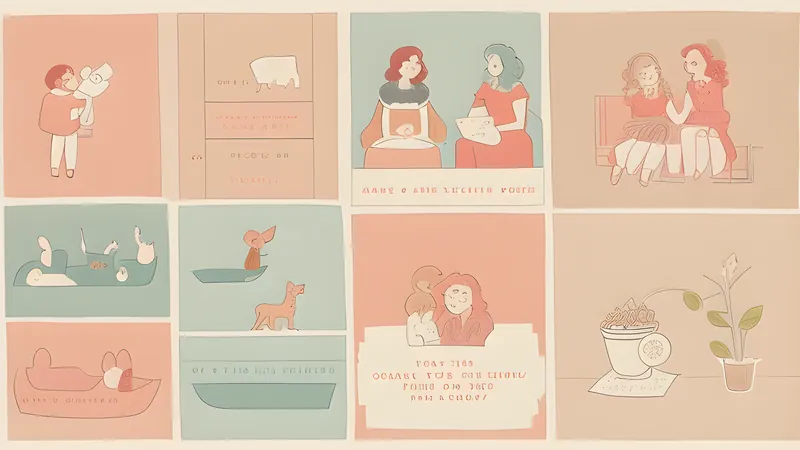
In keeping with its televised origin, brunch remains the signature Galentine’s activity, ideally heavy on pastries, sparkling drinks and unhurried conversation, just as Leslie staged it. Beyond the breakfast table, friends mark the day with dinners, nights out, film evenings and small gifts given purely in appreciation. Handwritten cards, flowers and thoughtful tokens are common, borrowing Valentine’s customs and quietly redirecting them towards friendship rather than romance. Some friends organise spa days or craft afternoons; others use it simply as the prompt to reconnect with someone they have let slip. The tone is relaxed and the rules are nonexistent, which is much of the appeal.
That looseness places Galentine’s among the cheerfully invented modern observances that exist to give people a reason to gather, a family that includes the convivial spirit of National Happy Hour Day, where the point is again the company rather than the occasion.
Why it resonates
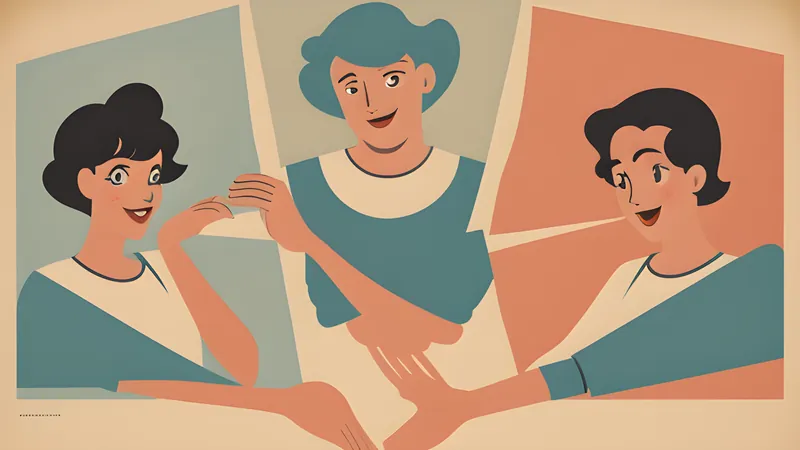
The day’s popularity reflects a wider, overdue appreciation of platonic relationships, which can be every bit as sustaining as romantic ones yet are far less often given a moment of formal recognition. Friendships carry people through the ordinary and the difficult alike, and Galentine’s offers a sanctioned chance to say so out loud. By putting friendship at the centre of mid-February, it also pushes back gently against the couples-only mood of the season, reassuring anyone who is single, or simply happier among friends, that they too have something to celebrate rather than something to endure.
It fits, too, into a broader appetite for observances that prize connection over spectacle. The fact that businesses have been delighted to monetise it does not cancel out the genuine impulse underneath, which is the same impulse that animates a workplace tradition such as Fun at Work Day: the recognition that the relationships in our lives, romantic or not, are worth deliberately tending.
How it travels beyond America
Galentine’s Day began as a wholly American invention, scripted for an American network and rooted in a sitcom about a fictional Indiana town, yet it has not stayed put. In Britain, where Parks and Recreation built a devoted following on streaming and late-night repeats, Galentine’s brunches and gift edits now appear in magazines and shop windows each February, often sitting cheerfully alongside the older, more sardonic British tradition of treating Valentine’s week with a raised eyebrow. Australian and Canadian cafés have adopted the brunch format with similar enthusiasm, helped by sharing the show’s broadcast culture and its language.
The idea has also travelled somewhere subtler than any single country. Cultures with strong existing traditions of female friendship and women-only gatherings have absorbed the label without much friction, because Galentine’s gives a fresh, lighthearted name to a gathering they were already holding. That is part of why it spread so easily: it did not ask anyone to invent a new behaviour, only to put a date and a name to an affection that was already there. Where a wholly foreign custom might have met resistance, a day that simply legitimises gathering one’s friends for breakfast tends to be welcomed wherever the underlying friendships exist, which is to say almost everywhere.
Symbols, traditions and spin-offs
For so young an observance, Galentine’s has gathered a recognisable visual vocabulary: the brunch table, the bunch of flowers and the handwritten card, all lifted from Valentine’s imagery and given a friendly, unromantic twist. Pink, hearts and cheerful decoration tend to feature. The central tradition, though, is the simplest possible one, friends making deliberate time for one another in the middle of a busy season.
As it spread, the idea inspired a small family of relatives. “Palentine’s Day” widens the theme to friendship of any kind, regardless of gender, and many Galentine’s gatherings have themselves grown more open in practice, welcoming anyone who wants to honour the friends in their life. These variations keep the original spirit, cherishing the people who show up for us, while loosening any sense that the day belongs to one group alone. The flexibility has helped the observance endure rather than fade, which is the usual fate of a fad: by refusing to harden into rigid rules about who may take part or what they must do, Galentine’s Day made itself easy to keep.
Fun facts
- The episode that invented the day aired on 11 February 2010, two days before the 13 February the script described, so the fictional holiday predated its first real-world observance.
- No single person can claim to have created Galentine’s Day; co-creator Michael Schur has credited the entire Parks and Recreation writers’ room.
- By around 2017 the day was trending on social media every February, mostly among people with no special loyalty to the show that coined it.
- Leslie Knope’s on-screen definition, “ladies celebrating ladies”, became the de facto motto of an observance that started life as a single comic monologue.
- The spin-off “Palentine’s Day” emerged to widen the celebration to friendships of any gender, an inclusive offshoot of an already informal tradition.
A closing reflection
There is something quietly hopeful in the fact that a made-up holiday could take root simply because it named a real feeling people were waiting to express. Romance gets a date, a colour and an entire industry; the friendships that carry us through the unremarkable Tuesdays of life usually get nothing. Galentine’s Day, for all its sitcom silliness and its brunch menus, corrected that small imbalance by accident, and the speed with which people adopted it suggests the gap had been there all along, waiting for someone earnest enough, even fictionally, to point at it.
Related Content