Bittersweet Chocolate Day
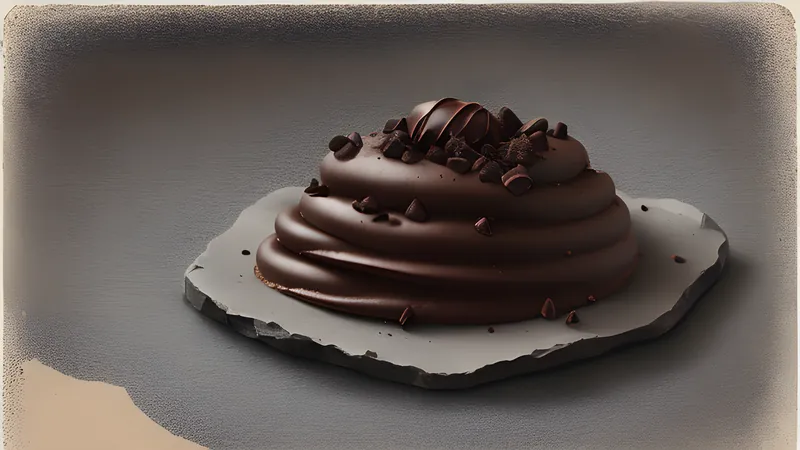
Break a square of fine bittersweet chocolate and listen for the snap. That clean, brittle crack is the sound of a well-made bar, and the faint bitterness that follows on the tongue is the cocoa bean speaking with the sugar turned down. Observed each year on 10 January, Bittersweet Chocolate Day celebrates the darker, more austere end of the chocolate spectrum, the kind prized for intensity rather than sweetness. Arriving in the cold opening days of the year, it suits its moment: bittersweet chocolate is a winter pleasure, deep and warming, equally at home shaved over a dessert, whisked into a sauce or simply broken into shards and let to melt.
The day is one of the many unofficial food observances that crowd the modern calendar, with no founding committee or proclamation behind it. What it lacks in pedigree it makes up for in focus, singling out not chocolate in general but a specific, serious form of it, the bar that bakers, chefs and connoisseurs reach for when they want the flavour of cocoa undisguised.
What “Bittersweet” Actually Means
Bittersweet chocolate is a type of dark chocolate distinguished by a high proportion of cocoa solids and a comparatively small amount of sugar. The terms “bittersweet” and “semisweet” are not precisely defined and overlap heavily; in practice “bittersweet” tends to signal a bar with less sugar and a more pronounced cocoa flavour, often with a cocoa content of 60 per cent or more. In the United States, regulations require chocolate labelled “bittersweet” or “semisweet” to contain at least 35 per cent cocoa, but above that floor the label is governed more by tradition and a maker’s judgement than by any single fixed standard.
That cocoa percentage printed on the wrapper, 70 per cent, 85 per cent, the formidable 100 per cent, is the quickest guide to what is inside. A higher number means more cocoa and less sugar, and so a more bitter, intense bar. It does not, on its own, mean a better one; balance matters more than a high number, and a beautifully made 70 per cent bar will outshine a harsh, poorly conched 90 per cent every time.
A Bitter Drink Before a Sweet Bar
Chocolate began life bitter, and stayed that way for most of its history. The cacao tree, Theobroma cacao, is native to the rainforests of Central and South America, and the Maya and later the Aztec civilisations prepared its beans as a frothy, unsweetened and often spiced drink called xocolatl, reserved for rulers, priests and warriors. The Aztecs prized cacao beans so highly that they used them as currency. When the Spanish brought cacao to Europe in the sixteenth century, it was sugar, then a rare luxury, that began to soften the drink’s natural bitterness for European palates.
For three centuries chocolate remained a drink. The bar as we know it is a creation of the nineteenth century, and of industrial chemistry. In 1828 the Dutch chemist Coenraad van Houten patented a press that squeezed much of the cocoa butter out of the beans, producing a powder that mixed more easily and a process, “Dutching”, that mellowed the flavour. In 1847 the English firm J. S. Fry & Sons of Bristol combined cocoa powder, sugar and melted cocoa butter into the first solid eating chocolate. In 1879 the Swiss chocolatier Rodolphe Lindt invented the conching machine, which grinds and aerates chocolate for hours until it turns silky, the step that gave fine dark chocolate its smooth texture and refined flavour. Bittersweet chocolate, the modern dark bar, is the direct descendant of these inventions, the form that kept faith with cocoa’s bitter character while the world around it grew ever sweeter.
Why the Day Matters
A day for bittersweet chocolate is, in effect, a day for chocolate at its most expressive. With less sugar to mask it, the bean’s true character comes forward, and that character is astonishingly varied. Depending on the variety of cacao and where it was grown, a fine dark bar can carry notes of red fruit, citrus, flowers, toasted nuts, tobacco or smoke, in much the same way that a wine reflects its grape and soil. To taste several origins side by side, an Ecuadorian against a Madagascan against a Vietnamese, is to discover that “chocolate” is not one flavour but a whole family of them.
There is a practical reason chefs and bakers love it, too. Bittersweet chocolate is the foundation of the kitchen’s richest work, the ganache beneath a glaze, the molten centre of a fondant, the dense crumb of a flourless cake, the gloss of a chocolate sauce. Its bitterness gives the cook something to balance against, so that the finished dessert reads as deep rather than merely sweet. A milk chocolate cake can cloy; a bittersweet one rarely does.
How the Day Is Celebrated
The day is observed, fittingly, with unashamed indulgence. Enthusiasts seek out single-origin bars and taste them in sequence, comparing flavours much as one would at a wine tasting, snapping each piece, smelling it, then letting it melt slowly rather than chewing. Home cooks reach for bittersweet chocolate to make truffles, brownies and mousse, valuing the way its intensity holds up against sugar and cream. Many simply pair a square or two with a strong espresso or a glass of red wine, both natural companions to dark chocolate’s complexity.
This focus on a single ingredient places the day among the more specialist entries in the food calendar, closer in spirit to the precise, pastry-cook’s pleasure of a day like National Pots de Crème Day than to a broad, all-comers celebration.
Cocoa Around the Tropics
Cacao grows in a narrow tropical belt within twenty degrees of the equator. West Africa, and Côte d’Ivoire and Ghana above all, produces the bulk of the world’s cocoa, well over half of it between those two countries alone, while Latin America and parts of Southeast Asia grow prized fine-flavour varieties sought by quality makers. The bean falls broadly into three groups: hardy, high-yielding Forastero, which makes up most of world production; delicate, aromatic Criollo, rare and prized; and Trinitario, a hybrid of the two. Most mass-market chocolate is Forastero, while the single-origin bittersweet bars celebrated on this day often lean on Criollo and fine Trinitario. The craft of turning bean into bar, by contrast, was perfected in Europe: France, Belgium and Switzerland built celebrated traditions of fine chocolate, and Swiss conching and tempering set the standard for smoothness.
More recently a wave of small “bean to bar” makers, from the United States to Japan to Australia, has championed single-origin dark chocolate, buying directly from growers and roasting in tiny batches. Their work has put bittersweet chocolate at the centre of a wider food-craft movement, alongside the kind of small-batch obsession found in dishes such as those marked by National Spumoni Day, where provenance and method are as much the point as the eating.
Symbols and Traditions
The near-black sheen of a tempered dark bar, the audible snap, the scatter of cocoa nibs, these are the day’s natural emblems. The tasting rituals borrowed from wine and coffee, smelling, snapping, letting a piece melt to release its volatile aromas, have become part of how aficionados engage with it. The cocoa percentage on the wrapper has itself become a kind of badge, a shorthand for seriousness, even a mild boast among those who like their chocolate dark enough to make a guest wince.
Fun Facts
- The bitterness in dark chocolate comes largely from natural compounds called flavanols and from theobromine and caffeine, the same family of stimulants that gives the cacao tree its botanical name, Theobroma, meaning “food of the gods”.
- Theobromine is also why chocolate is dangerous to dogs: their bodies metabolise it far more slowly than ours, and dark and bittersweet chocolate, being richest in cocoa, is the most toxic kind for them.
- The same cacao beans that yield the sweetest milk chocolate can be made into the most intense bittersweet bar; the difference lies almost entirely in how much cocoa the maker keeps and how little sugar is added.
- Tempering, the careful heating and cooling of chocolate to coax its cocoa butter into a stable crystal form, is what produces a bar’s glossy sheen and crisp snap; mishandle it and the chocolate sets dull and crumbly, with a pale “bloom” on its surface.
A Closing Reflection
There is a small lesson tucked inside a square of bittersweet chocolate, which is that the richest things are seldom the sweetest. Sugar flatters and then fades; bitterness lingers, and asks to be thought about. A great dark bar does not give itself up at once but unfolds, note after note, as it melts, rewarding the eater who slows down to follow it. On a cold January day that quiet, deliberate pleasure feels like the right kind, a reminder that a little shadow in a flavour, as in much else, is often what makes it worth lingering over.
Related Content