Thief: Michael Mann's Debut and the Birth of a Style
James Caan cracks safes in rain-slicked Chicago while Tangerine Dream throbs, and every Michael Mann film that follows is already here
Contents
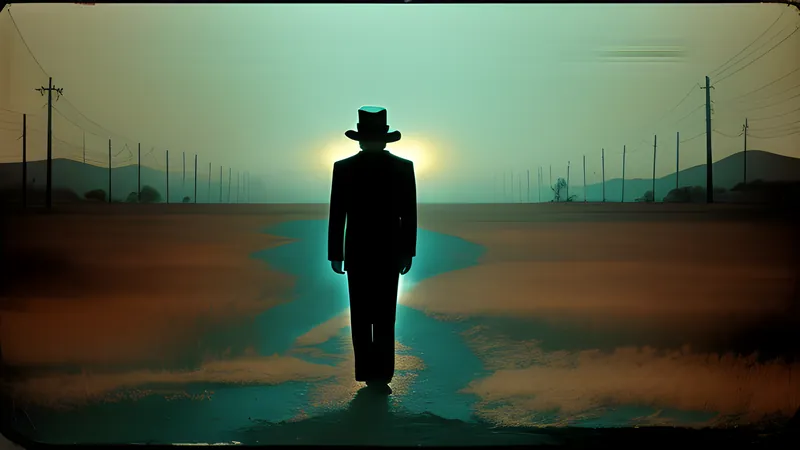
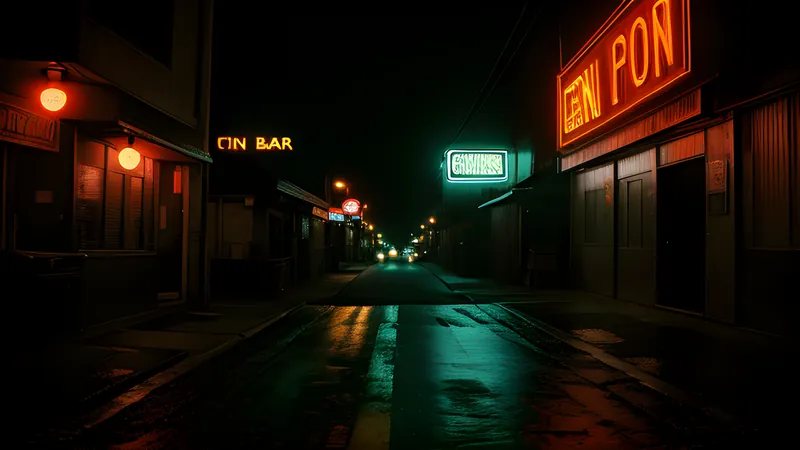
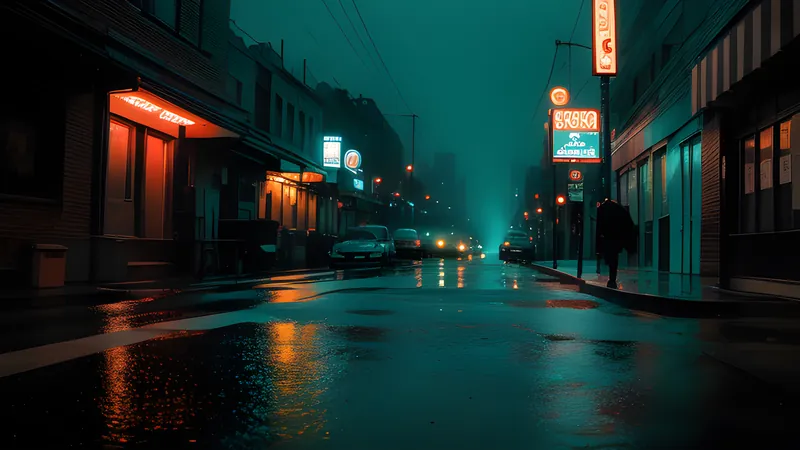
The first images of Thief are rain on asphalt, neon smeared across wet streets, and a professional going quietly to work in the dark while a synthesiser pulses underneath like a machine’s heartbeat. Michael Mann’s 1981 debut opens with a burglary shot as pure craft and pure atmosphere, and if you have seen any later Mann film you feel a jolt of recognition, because the entire style arrives fully formed in the first reel. The rain-glazed city, the taciturn expert defined by his work, the electronic score doing the emotional lifting, the fetish for professional competence — it’s all here, already perfect, in a first feature by a director who had done nothing but television before.
The safecracker is Frank, played by James Caan in the performance of his career, and Mann built the character on real ground. He had researched actual Chicago thieves and drew directly on a former convict and jewel thief, John Santucci, who consulted on the film and appears in it, so the technical detail of the burglaries is authentic down to the tools and the vocabulary. That documentary spine is the secret of the film’s authority. When Frank torches open a safe with a thermal lance, showering the frame with molten sparks, you are watching something that was really staged with real equipment, and the reality is the poetry.
The man who wants a life
Frank is an ex-convict who spent eleven years inside and came out with a philosophy forged in a cell: he wants nothing and no one to be able to touch him, because attachment is what the world uses to control you. He runs a car dealership and a bar as fronts and pulls high-end scores on the side, and he has designed his life to be free of dependence. The engine of the film is watching that armour fail, because Frank secretly does want the ordinary things — a wife, a child, a house — and reaching for them is exactly what makes him vulnerable.
Caan gives Frank a furious, wounded energy, a man who has decided the terms of his own existence and dares the world to violate them. The great scene, and one of the best-written scenes in any American crime film, is a long conversation in a late-night diner where Frank lays out his whole life to Jessie, the woman he’s courting, telling her about the collage of a normal future he assembled from a magazine picture while in prison and carried in his wallet as a promise to himself. It’s an actor’s aria and a piece of pure characterisation, and it’s the emotional centre the whole tragedy will turn on. Mann would return to this exact scene, structurally, in Heat fourteen years later, when De Niro’s thief tells a woman the same essential thing about carrying nothing you can’t walk out on in thirty seconds. Thief is where that idea is born.
Why the style works
Mann’s method is to make competence beautiful and then break your heart with it. The heist sequences are shot as procedure, close on hands and tools and the slow physical difficulty of getting through a vault, with almost no dialogue and Tangerine Dream’s score pulsing underneath. This is the same devotional attention to craft that Melville brought to his assassins in Le Samouraï — the belief that showing exactly how a professional works tells you everything about who he is. Mann films Frank’s expertise as the one pure thing in his life, the one arena where he is fully himself and fully in control, which is precisely why the plot’s cruelty lands: everything Frank cannot control will come at him through the people he lets in.
The Tangerine Dream score is doing more than mood. Electronic music in 1981 still felt like the sound of the machine age, and Mann uses it to fuse Frank with the technology of his trade and the neon of his city, so that the man, the tools and the streets all throb to the same pulse. The visual scheme — the wet reflective surfaces, the cool blues and hot sodium oranges, the city as a field of light — established a template for neo-noir that filmmakers are still working inside. When Nicolas Winding Refn made Drive, his neon Los Angeles and his synth score and his near-silent craftsman-hero were drawing on the well Mann dug here, as Refn has acknowledged.
The professional against the organisation
The plot turns on Frank’s fatal compromise. Wanting to accelerate his ideal life — the wife, the adopted child, the house — he agrees to take on one huge score for Leo, a fatherly Chicago mob boss played by Robert Prosky in a performance that curdles from warmth to menace with terrifying smoothness. Leo offers Frank everything: capital, connections, protection, a way to have the family and the future faster. What Frank fails to see is that accepting help means accepting ownership. Leo doesn’t want a contractor; he wants an asset, and an asset does not get to walk away.
This is the same tragic architecture that runs through the whole professional-criminal tradition, from Point Blank, where Lee Marvin’s avenger discovers that “the Organization” has replaced tangible crime with faceless corporate ownership, to Mann’s own later films about lone experts crushed between their code and the institutions that want to own them. Frank believes he is a free man selling a service. Leo knows better. The horror creeps in as Frank realises that in taking the help he wanted, he has sold himself, and that the family and freedom he was chasing are now hostages Leo can use.
The film that contained the career
You can watch Thief purely as a superb neo-noir — tense, gorgeous, anchored by one of Caan’s great performances — and be completely satisfied. But its deeper fascination is as a seed. Almost everything Mann would spend the next forty years developing is present in embryo: the lonely professional and his rigorous code; the criminal and the system that owns him; the woman who represents the ordinary life he can’t quite hold; the city as a nightscape of light and rain; the score as emotional architecture; the belief that how a person works reveals their soul. Heat, Collateral, Miami Vice, The Insider — they are all elaborations of themes stated cleanly here first.
That makes Thief the ideal entry point to Mann and a rewarding revisit for anyone who thinks they know him only from the bigger later pictures. Come to it for the craft and the Caan performance. Stay for the recognition that a whole cinema was invented in one film by a director who somehow already knew exactly what he was. The film has aged into something close to a founding text, and its authenticity — the real thieves, the real tools, the real streets — is what keeps it from feeling like a period piece; the melancholy of a competent man who wants an ordinary life and cannot keep it is permanent, and Mann has been telling versions of it ever since.
Spoilers below
The trap closes exactly as Leo designed it. After Frank pulls the enormous diamond score, Leo starts skimming his cut, stalls the promised payout, and makes plain that Frank now belongs to him — the money, the freedom, all of it deferred indefinitely, because an owned man doesn’t collect and leave. When Frank pushes back, Leo drops the paternal mask and threatens everything Frank has reached for: his wife Jessie, and the baby Leo had helped them adopt, the very family Frank compromised himself to obtain. The things Frank let himself want have become the leash.
Frank’s response is the film’s shattering climax, and it’s the logical end of his prison philosophy taken to its absolute conclusion. He decides that the only way to be free of Leo is to make himself untouchable by having nothing left to threaten. So he burns it all down himself. He sends Jessie and the child away, forcing them out of his life to put them beyond Leo’s reach. He torches his own house, his car dealership, his bar — every front, every possession, every thread that tied him to the world. He strips himself back to the pure, unattached state he described in the diner, a man who wants nothing and therefore cannot be controlled, and only then does he go to war.
Freed of everything that could be used against him, Frank hunts down and kills Leo and his men, executing the organisation that tried to own him. He walks away wounded into the night, having won by destroying his own life so completely that his enemies had no purchase left. It’s a bleak, purifying ending, and it states Mann’s lifelong theme in its harshest form: the professional’s freedom is real, and its price is everything warm and human. Frank gets to keep his code. He loses the future he cracked all those safes to buy. The magazine collage in his wallet, that assembled dream of an ordinary life, is the film’s true casualty, and Mann leaves it in ashes.
Related Content