The Vampire Canon, From Nosferatu to Let the Right One In
Twelve films that kept the oldest monster alive by changing what it means
Contents
The vampire is the most adaptable monster in cinema because it has never really been about the fangs. It is about whatever the culture is most afraid of touching — disease, desire, class, addiction, the ache of loving something that will outlive you. Every era rebuilds the creature in the shape of its own dread, which is why a canon of vampire films doubles as a hidden history of the century’s anxieties. Bram Stoker’s 1897 novel supplied the template; the movies have spent a hundred years arguing with it, discarding the parts that stopped frightening anyone and inventing new ones as they went.
These twelve are the ones I would hand someone to explain how the monster survived. The order is chronological, and the shape of the story is the mutation itself — the vampire drifting from plague-carrier to nobleman to junkie to lonely child, always finding a fresh membrane to slip through.
The silent and studio eras: the shadow on the wall
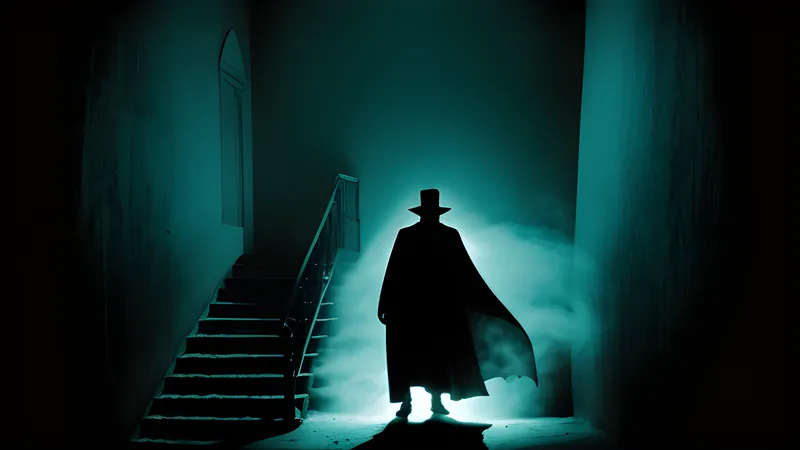
Nosferatu (1922). F. W. Murnau made an unauthorised Dracula so distinctive that Stoker’s estate sued and nearly had every print burned, which is the only reason we speak of Count Orlok rather than the Count. Max Schreck’s rat-like, taloned creature ties the vampire to plague and vermin, an image that lands very differently once you know the film emerged from a Europe that had just buried millions to influenza. Murnau shot in real Carpathian landscape and used shadow as an active predator — the famous image of Orlok’s shadow climbing a staircase is still copied a century on. It is public domain, so quality varies wildly; choose a proper restoration from Eureka or Kino.
Dracula (1931). Tod Browning’s Universal picture is stagier than its reputation, but Bela Lugosi’s Count fixed the vampire as suave aristocrat in the popular imagination so completely that the accent became the entire culture’s shorthand for the creature. Watch it as the fountainhead — the moment the monster put on evening dress, learned manners, and became seductive rather than merely infectious. The film’s stillness, once you adjust to its rhythm, has a hypnotic quality that the noisier remakes lost. Universal’s restoration streams widely and sits in the classic-monsters box sets.
Vampyr (1932). Carl Theodor Dreyer’s early sound film barely bothers with plot, chasing instead a waking-dream logic of drifting shadows, a coffin-lid point of view, and a village where the rules of the living have quietly stopped applying. It is the most purely atmospheric film here and the closest cinema has come to filming a nightmare directly, achieved partly by shooting through gauze to give every frame a soft, decaying haze. Anyone who loves the painted, theatrical dread of Kwaidan will recognise the ancestor at work. The Criterion edition is essential.
Hammer and the New Wave: blood in colour
Horror of Dracula (1958). Terence Fisher and Hammer gave the Count back his colour, his sex, and his blood, with Christopher Lee’s physical, feral aristocrat and Peter Cushing’s precise, athletic Van Helsing as the definitive screen pairing. After decades of shadow and suggestion, here was a vampire the audience could watch bleed in vivid Technicolor red, and British horror was reborn on the strength of it. The film moves with a brisk, muscular economy that the American monster pictures never managed. Warner and various region labels keep the restored cut available on disc.
Nosferatu the Vampyre (1979). Werner Herzog remade Murnau as an elegy, with Klaus Kinski’s Count as a creature exhausted by his own immortality and Isabelle Adjani as the woman who grasps that pity is the only weapon left against him. It is slow, mournful, and genuinely sad — the film that first insisted the vampire’s real curse is the loneliness of endless time. Herzog films the plague reaching a Dutch town with a painterly stillness that turns horror into grief. Shout Factory’s disc carries both the German and English versions.
Martin (1977). George Romero, between zombie films, made a low-budget masterpiece about a disturbed young man who may be an eighty-year-old vampire or may simply be a delusional boy with a razor blade and a poisonous family myth, and the film pointedly refuses to resolve which. It drags the legend into decaying working-class Pittsburgh and asks whether the whole tradition was ever anything more than a story lonely, damaged people needed to believe about themselves. Romero’s flat, documentary realism makes the ambiguity unbearable. A superb Second Sight restoration exists; seek it out.
The 1980s: appetite and cool
The Hunger (1983). Tony Scott’s debut is style as content — Catherine Deneuve as an ancient Egyptian vampire, David Bowie as the lover who ages catastrophically the moment she tires of him, all filmed in billowing curtains, cigarette smoke, and gauze. Beneath the perfume-advert surface is a real and modern horror about being loved intensely and then discarded the instant your usefulness ends. Bowie’s rapid decay in a hospital waiting room is one of the decade’s quietly devastating sequences. Warner keeps it in print, and it streams intermittently.
Near Dark (1987). Kathryn Bigelow crossed the vampire film with the western and produced a sun-scorched road movie about a family of nomadic bloodsuckers tearing across the American plains in blacked-out cars. There is no cape and no castle here, just a filthy Winnebago, a bar-room massacre played for grim comedy, and Bill Paxton having the time of his life as the pack’s live-wire psychopath. Bigelow understood that the scariest thing about the creatures is that they are a family, and they are recruiting. Shout Factory’s Blu-ray is the definitive release.
Cronos (1993). Guillermo del Toro’s debut reinvents vampirism as a mechanical golden scarab that grants eternal life at a grubby, escalating price, and anchors the whole thing in the tenderness between an old antiques dealer and his silent granddaughter. It is a first feature that already contains the director’s entire sensibility: sympathy for the monster, disgust at the wealthy men who would kill to become one. The insectoid device with its hidden legs is a perfect del Toro object, beautiful and repulsive at once. Criterion’s edition is the one to own.
The turn of the century: the monster comes home
Let the Right One In (2008). Tomas Alfredson’s snowbound Swedish film is the modern high-water mark, a story of a bullied twelve-year-old boy and the ancient child who moves in next door that treats first love and predation as the same slow, terrifying negotiation. The violence arrives suddenly and the tenderness is entirely real, and the film earns both by taking its lonely children completely seriously and its adults barely at all. The blank white snow makes every drop of blood a shock. Magnet’s disc includes the correct subtitle track — the theatrical dub famously flattened the dialogue, so choose carefully.
Thirst (2009). Park Chan-wook turned a priest’s accidental infection during a medical trial into a lush, guilt-drenched melodrama about faith curdling into appetite, and pushed the material into territory that swings from horrifying to absurdly funny within a single scene. The director’s control of tone — the same command he brought to Oldboy — keeps the film balanced on a knife-edge for its entire, generous running time. It is the rare vampire film that is genuinely about sin rather than merely dressed in its imagery. It streams on the arthouse services and comes on a fine Blu-ray.
A Girl Walks Home Alone at Night (2014). Ana Lily Amirpour’s black-and-white “Iranian vampire western,” shot in California, gives the monster a chador and a skateboard and lets her drift through a decaying oil town, stalking the men who prey on its women. It is a mood piece with a hard moral spine, scored to a dreamy indie soundtrack and framed like a graphic novel come to life. It proves the creature can still genuinely surprise nearly a century after Orlok first climbed those stairs. Available on disc and streaming from the arthouse distributors.
What the canon shows
Run these twelve in order and the pattern is impossible to miss: each generation makes the vampire carry whatever it cannot say out loud. Murnau’s plague ship became Lugosi’s aristocrat, became Herzog’s exhausted immortal, became Bigelow’s feral drifters, became Alfredson’s snow-bound child who only wants a friend. The fangs are incidental scenery. For a wider sense of how folk fear travels the same way through soil and season, The Witch makes a fine companion — same anxious landscape, different creature waiting in it. The oldest monster in horror keeps outliving its own obituaries because we keep needing it to mean something new.
Related Content