Se7en: Fincher's Sermon in the Rain
How a serial-killer procedural became the bleakest morality play of the nineties
Contents
There is a moment early in Se7en (1995) when Morgan Freeman’s Detective Somerset sits alone in a library after hours while the guards play cards, a metronome ticking beside him, and the film lets Bach’s Air on the G String wash across a montage of illuminated pages. It is the only clean, quiet, well-lit scene in two hours of grime, and David Fincher puts it there deliberately. Everything else in this city runs on rain, sodium light and rot. That library is the one place the film believes in — knowledge, patience, the slow accumulation of understanding — and by the end it will not be enough to save anyone. That is the whole picture in miniature.
I came to Se7en the way most people my age did, on a video-shop VHS with the box art promising more grand-guignol than the film ever delivers. What I got instead was the movie that taught a generation what dread actually feels like on screen. Nearly thirty years on it has aged better than almost any thriller of its decade, and the reasons are worth pulling apart, because they are all decisions rather than accidents.
The city that never dries out
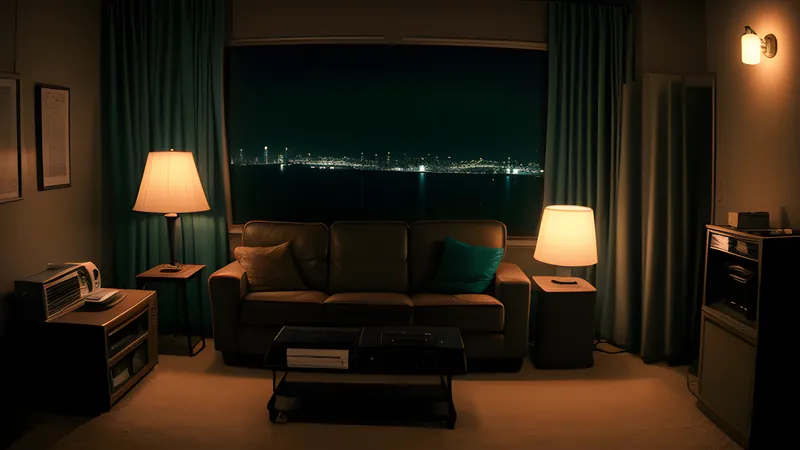
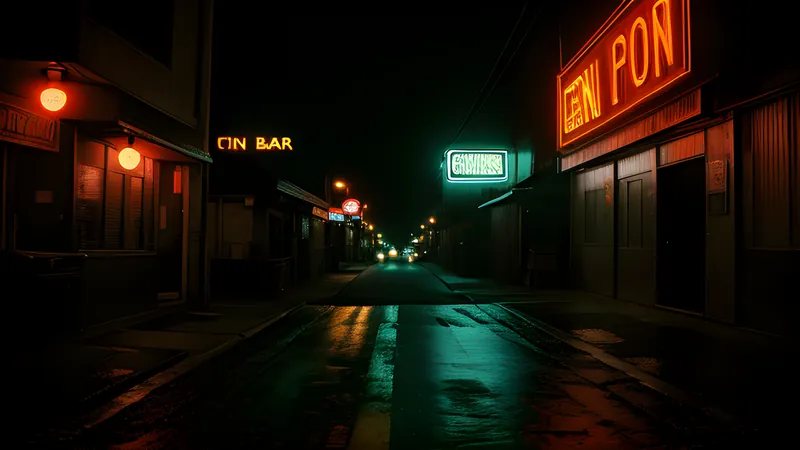
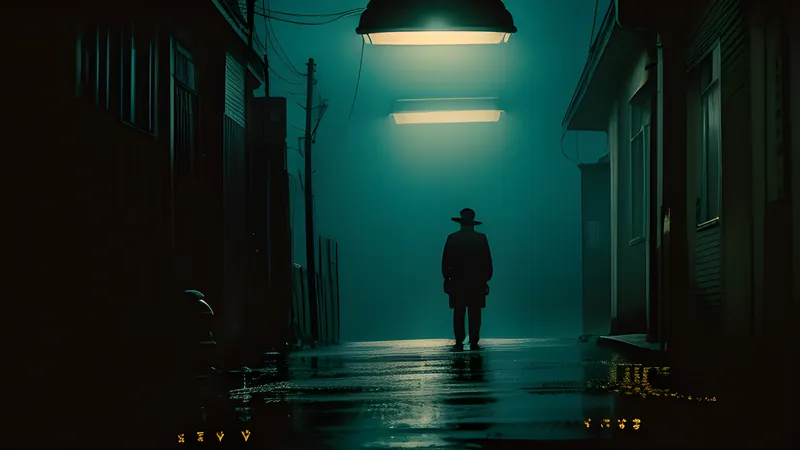
The unnamed metropolis of Se7en is one of cinema’s great invented places. Fincher and cinematographer Darius Khondji drench it in perpetual rain and shoot it through a bleach-bypass process that leaves the blacks crushed and the highlights sickly. Nobody names the city. That refusal is the point — this is every failing American downtown of the early nineties, a place Somerset is a week from retiring out of and rookie Detective Mills (Brad Pitt) is naively eager to fix.
Watch how Fincher stages information. The killer, John Doe, works in sequence — gluttony, greed, sloth, lust, pride, envy, wrath — and each crime scene is a set-piece of production design so meticulous it borders on the absurd. Yet Fincher almost never shows the act. He shows the aftermath, the forensic reading of it, the detectives puzzling out a theology from what a body has been made to signify. The horror is retrospective, reconstructed in dialogue and torch-beam, which is exactly why it lingers. Your imagination does the wet work.
The craft that makes this land is patience with the reveal. Fincher holds shots longer than a thriller is supposed to. He lets Somerset explain Dante and Chaucer and Milton to a bored Mills, trusting that the audience will lean in rather than check out. The film is a procedural in the truest sense: two men reading, cross-referencing, following paper. When they finally get a lead, it comes from library-loan records — the surveillance of the mind, the killer betrayed by what he chose to read. Fincher would spend the next decade refining exactly this obsession, and you can trace a straight line from here to Zodiac, his masterpiece about the toll of a case that never closes. If you want the argument that Fincher’s whole career is one long study of process and its cost, I made it at length in this career read.
Doe as absent centre
The smartest structural gamble in Se7en is how little of the killer you get. Kevin Spacey’s name was kept off the opening credits so his arrival would land as a surprise, and John Doe barely appears until the third act. He is a theory before he is a man — a set of crime scenes, a philosophy, a shaved-fingertip absence in the record. When he does walk into the police station, drenched and calm, the film has already spent ninety minutes teaching you to fear the shape of his thinking.
This is the collector’s note worth making: Se7en descends directly from the grim American thrillers of the seventies, the ones that stopped pretending the detective wins. Its truest ancestor is Alan J. Pakula’s paranoia cycle and, further back, the sour urban despair of William Friedkin’s The French Connection, where good police work buys you exhaustion and a shrug. Andrew Kevin Walker’s screenplay refuses the catharsis those decades of cop movies had trained audiences to expect. Somerset is not going to outsmart Doe. Doe has already thought of everything, including the detectives.
There is a whole tradition of the Los Angeles crime film that ends by poisoning its own resolution — Roman Polanski’s Chinatown is the founding text — and Se7en belongs to it despite never naming a city at all. What Polanski does with a single line at the end, Fincher does with a cardboard box.
Why the dread works
Dread in film is a matter of information asymmetry and rhythm, and Se7en is a clinic in both. Howard Shore’s score mostly withholds; Fincher builds tension through sound design and duration rather than musical stings. The famous opening titles — scratched, jittering, assembled by Kyle Cooper from Doe’s notebooks — are a horror film compressed into two minutes, and they establish before a single scene that we are inside a diseased mind’s filing system. Title sequences after 1995 borrowed that grammar for a decade.
The performances are calibrated to the same downward pressure. Freeman plays weariness as wisdom, a man who reads because reading is the only thing that still makes sense. Pitt plays Mills as a good, limited, hot-tempered kid who thinks the world can be arrested into order. Gwyneth Paltrow’s Tracy is the film’s one source of warmth, and Fincher isolates her — the only significant female presence in a city of men and corpses — which the ending will exploit with real cruelty.
If you want a modern companion piece, Dan Gilroy’s Nightcrawler shares the sense that the city itself is the sickness and the protagonist merely its most efficient organism. Where Nightcrawler is satire with a grin, Se7en is scripture with a grimace, but they are reading the same rotten town.
The rookie and the elder
The engine of the film is the two-hander, and the casting of it is inspired. Somerset and Mills are the oldest pairing in crime fiction — the tired professional and the eager greenhorn — but Walker’s script keeps refusing the buddy-movie warmth the setup promises. They never really become friends. Somerset tries to teach and mostly fails; Mills resists the lesson because the lesson is despair, and despair is the one thing a young man cannot afford to accept. Their argument over dinner at Mills’s apartment, refereed by Tracy, is the emotional core: is the city dying, or is it just the same as it ever was and Somerset too worn to keep fighting? The film never settles it, which is why it keeps its grip.
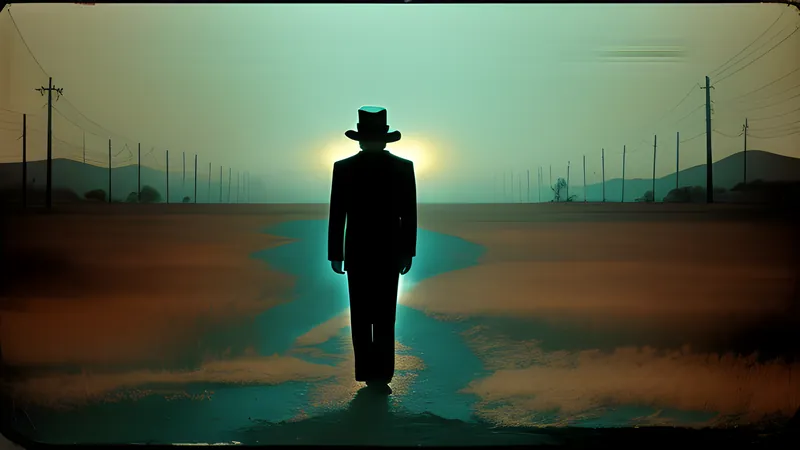
Fincher shoots the two men against a background that is always slightly out of focus and always wet, so the human faces are the only stable objects in the frame. It is a simple trick and a relentless one. By the time the desert appears in the last reel — the first exterior with a horizon, the first dry light in the film — the change in air is a physical shock. Fincher has trained your eye to the murk so thoroughly that open sky reads as menace.
The verdict
Se7en is the rare studio thriller that got a genuinely uncompromising ending onto multiplex screens and dared audiences to sit with it. New Line reportedly received a more conventional draft along the way; the version Fincher fought for is the one that made it a permanent fixture. It works because every element pulls in the same direction — the rain, the bleach-bypass, the withheld killer, the library, the ticking metronome. There is no fat on it and no mercy in it.
Watch it for how much horror you can generate by showing so little, and for a young director already in total command of tone. It remains the film that taught mainstream crime cinema how to be genuinely, morally frightening again. Pair it with Zodiac for the definitive Fincher double bill, then chase the seventies ancestors it is quietly saluting.
Streaming rights drift, so I will not date-stamp a service; it turns up regularly on the major platforms and is worth owning on disc for Khondji’s photography alone, which compression flattens.
Spoilers below
Everything that follows gives away the ending. Stop here if you have somehow never seen it.
The box. Of course the box. What makes the finale of Se7en a masterpiece of structure is that Doe engineers his own final two sins and casts the detectives in them. He is envy — he confesses to envying Mills’s ordinary life, his wife, the future he will never have — and he provokes Mills into becoming wrath. The trap is airtight because it is built out of the men’s own natures. Somerset spends the whole film warning Mills that anger will consume him, and Doe simply supplies the occasion.
The masterstroke is that Fincher keeps the camera outside the crime once again. We never see what is in the box; we see Somerset’s face when he looks inside, and Freeman plays it as a man watching a trap spring that he cannot disarm in time. Tracy’s death happens entirely in the imagination the film has spent two hours training. The horror is that we have been taught to picture the worst, and the worst is exactly what has happened.
Mills pulls the trigger and completes Doe’s design. The killer wins. The rookie who wanted to save the city becomes its seventh corpse-maker, and Somerset — a week from retirement, ready to leave — chooses to stay, quoting Hemingway in voiceover about the world being a fine place worth fighting for, and adding that he agrees only with the second part. It is one of the bleakest closings in American studio cinema, and Fincher earns every ounce of it because he built the whole machine to arrive precisely here. Nothing is arbitrary. The sermon in the rain had only ever one place to end.
Related Content