Drive: Refn's Neon Fairy Tale With a Hammer
A getaway driver, a scorpion jacket, and the coldest romance in Los Angeles
Contents
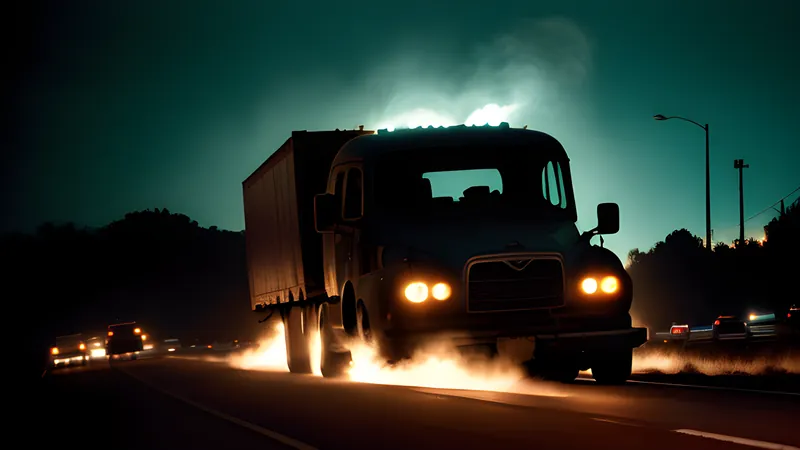
Drive opens with a promise and then keeps it in a way almost no crime film dares. A getaway driver explains, in a flat monotone, the exact terms of his service — five minutes, anything happens in that window he is yours, a minute either side and he is gone — and then Nicolas Winding Refn films the getaway itself as a slow, patient, nerve-shredding game of hide-and-seek through night-time Los Angeles, more about stillness and timing than about speed. It tells you everything. This is a film about a man of absolute competence and almost no words, moving through a neon city with the poise of a knight, and it is going to make you wait for the violence and then punish you for wanting it.
Released in 2011 and adapted from a slim, hard novel by James Sallis, Drive was marketed to audiences expecting a Fast and Furious knock-off, and at least one of them famously sued over how little driving it contained. That mismatch is the best evidence of what the film actually is. Refn, a Danish director with a fine-art streak and a taste for slow menace, made a synth-scored fable dressed as an action movie, and its patience is the whole design. The car chases are few and clipped. The romance is nearly wordless. The violence, when it finally arrives, is so sudden and so grotesque that it rearranges everything soft that came before it.
The man with no name and the jacket with a scorpion
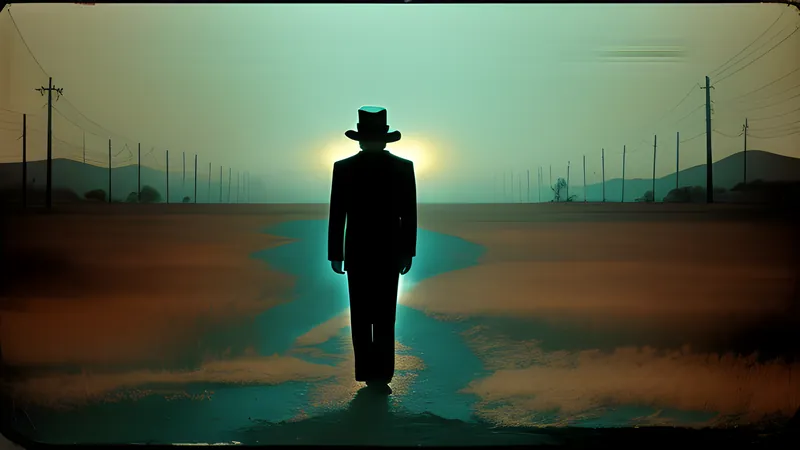
Ryan Gosling plays the Driver, and the character has no name in the film — he is a Hollywood stunt driver by day, a criminal wheelman by night, and a cipher by design. Gosling’s performance is a study in withholding: a toothpick, a small smile, long silences, a face that gives away almost nothing until it gives away everything at once. He is a fairy-tale figure, the strong silent stranger who drifts into a life and tries to protect it, and Refn dresses him for the part in a white satin bomber jacket with a golden scorpion stitched across the back. The scorpion is not subtle, and it is not meant to be. This is a film that wears its mythology on its clothing.
The life he tries to protect belongs to Irene (Carey Mulligan) and her young son, neighbours in his shabby apartment building. Their courtship is conducted almost entirely in glances and small kindnesses, scored to the aching electro-pop that gives the film its dreamlike ache. Refn shoots their scenes in golden hour and soft focus, a warmth that the rest of the film’s cold blue palette makes feel borrowed, temporary, doomed. When Irene’s husband Standard (Oscar Isaac) returns from prison owing money to bad men, the Driver’s code — his need to protect this borrowed family — pulls him into a job that goes wrong, and the fairy tale curdles into a nightmare.
Why the elevator works
The film’s most discussed scene is a single moment in a lift, and it is the perfect key to Refn’s method. The Driver and Irene share an elevator with a man the Driver knows is there to kill him. In the seconds before the violence, Refn does something almost absurd: he slows time, dims the world to a single warm light, and lets the Driver kiss Irene — a first and last kiss, tender and unhurried, the romantic apex of the entire film. Then, the instant it ends, he turns and stamps a man’s skull into ruin with a ferocity that makes Irene, and the audience, recoil in horror. The two halves of the character are placed side by side in one unbroken beat: the gentle protector and the monster the protection requires. Refn holds the shot on Irene’s face as she backs away, and the film never lets the Driver near her again. The kiss and the killing are the same gesture, and the film knows it costs him her.
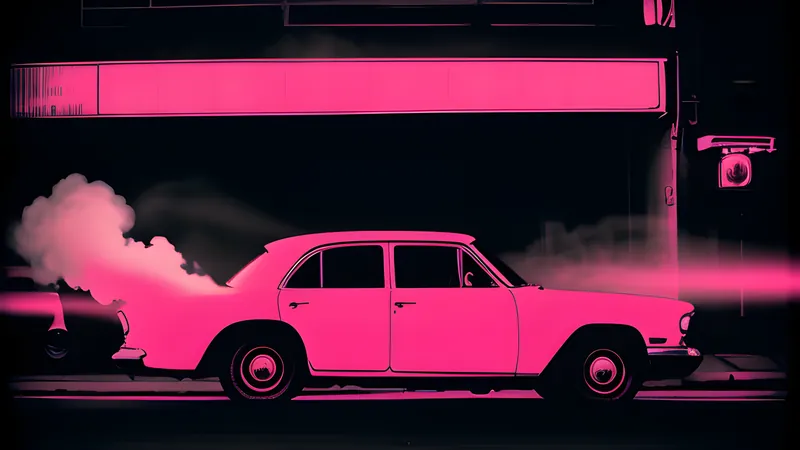
That scene is the whole movie in miniature, and it explains why Drive endures where its many imitators fade. The style — Cliff Martinez’s pulsing synth score, the pink cursive title font, the Kavinsky and College songs, the endless magic-hour glow — is not surface decoration. It is a deliberate fairy-tale grammar wrapped around an ugly story, so that when the ugliness breaks through it feels like a violation of a dream. Refn dedicated the film to Alejandro Jodorowsky, and you can feel the debt: this is a genre picture directed like a piece of ritual, every image composed, every silence load-bearing.
The other engine is restraint of information. We never learn the Driver’s name, history, or interior life beyond what his actions reveal. Refn trusts the audience to project, to fill the silence, to build a myth out of a man who barely speaks — which is exactly how fairy tales work, with archetypes rather than psychologies. Albert Brooks, cast wildly against type as a genial mobster who kills with a straight razor, provides the film’s most chilling texture precisely because he is so reasonable, so tired, so much like a man doing sums. The horror in Drive is domestic and quiet until the instant it is not.
The company it keeps
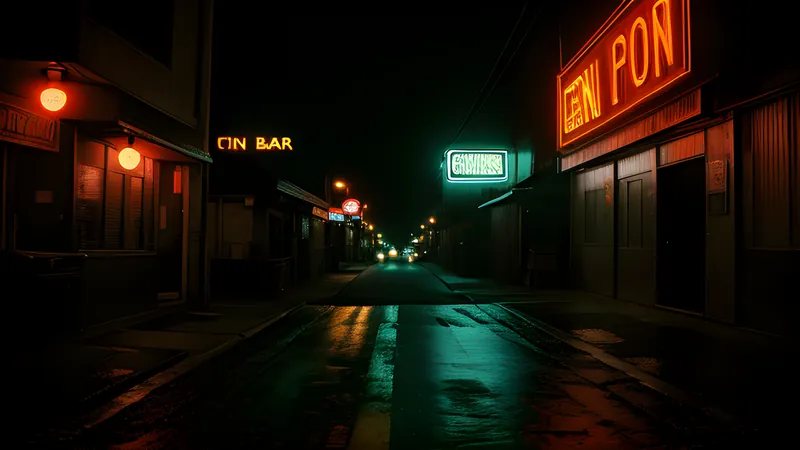
Drive is a Los Angeles film to its bones, and it belongs to a specific tradition of the city as a neon-lit stage for lonely professionals. Its truest modern sibling on this site is Nightcrawler, Dan Gilroy’s after-dark portrait of the same sodium-lit LA, another film about a driven, affectless loner working the city’s arteries at night. Set them together and they form a diptych of the deserted-freeway metropolis: Refn’s driver a silent knight, Gilroy’s cameraman a grinning ghoul, both of them competent men gliding through empty streets toward violence.
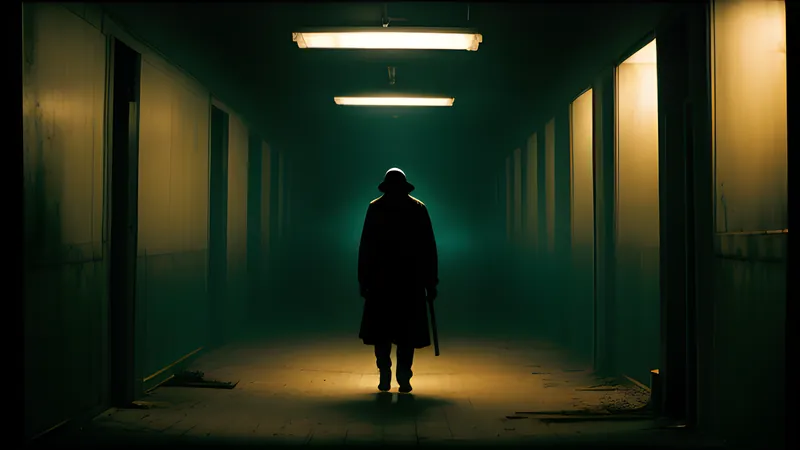
The Driver’s real ancestor, though, is European and older. He is a direct descendant of Le Samouraï, Jean-Pierre Melville’s immaculate hit-man film, whose silent, ritualistic, code-bound professional set the template for every laconic screen loner since. Refn’s Driver has the same monkish stillness, the same fetish for competence, the same doom. And for the specific texture of the neon American crime film — the synths, the night city, the professional criminal as aesthete — the missing link is Thief, Michael Mann’s 1981 debut, which invented the electronic-scored, rain-slicked, existential heist picture that Drive is quietly saluting in every frame.
The verdict, argued rather than declared: Drive is the most beautiful crime film of its decade and one of the most misunderstood, a movie whose gorgeousness is the delivery system for a genuinely bleak idea about heroism. It asks what the strong silent protector actually is once you strip away the fairy-tale lighting, and its answer is a man capable of appalling violence who cannot live in the world he is trying to save. It looks like a poster and plays like a fable, and it earns both.
Spoilers below
The film’s structure is the arc of a hero who saves everyone and can keep none of it. The pawn-shop robbery that Standard is coerced into goes wrong, Standard is killed, and the Driver is left holding a bag of stolen money that the mob wants back — money that turns out to belong to men connected to Bernie Rose (Albert Brooks) and his volatile partner Nino (Ron Perlman). To protect Irene and her son, the Driver systematically dismantles the operation coming after them, and Refn stages each act of violence as a fresh horror rather than a crowd-pleasing beat: the stamping in the lift, a drowning, a straight razor. The Driver wins every confrontation and loses the only thing he wanted, because Irene has now seen exactly what he is, and there is no coming back from that lift.
The ending is a deliberate fairy-tale coda with the sweetness withheld. The Driver meets Bernie in a car park for the final reckoning; he kills Bernie with a knife but is stabbed in the process, and Refn cuts away before confirming whether the wound is fatal. What follows is the film’s masterstroke of ambiguity: the Driver sits motionless in his car for a long beat, eyes open, and then — impossibly, or perhaps not — starts the engine and drives off into the night, Martinez’s score swelling and the College song “A Real Hero” returning to name him one last time. Refn refuses to tell us whether he lives or whether we are watching a dying man’s last drive, a knight riding off having completed his quest and forfeited the princess. Irene, in a separate scene, knocks on his door and finds no answer. The hero has ridden out of the fairy tale, having saved the kingdom and been exiled from it, and the film lets the neon swallow him whole.
Related Content