A Dark Song: The Occult Ritual in Real Time
Liam Gavin films magic as unpaid overtime in a cold rented house
Contents
Almost every occult film cheats on the same detail. A character wants something from the other side, so they light candles, chant for ninety seconds, and the thing arrives. The ritual is a scene transition with props. Liam Gavin’s A Dark Song, released in 2016 as his feature debut, is the only film I can think of that treats the ritual as the film — as months of tedious, humiliating, physically punishing work performed by two people who dislike each other in a house with bad heating.
That is the whole idea, and it is enough. Ninety-nine minutes, two actors, one location, and a horror film that unsettles by being boring in exactly the right way.
The arrangement
Sophia Howard (Catherine Walker) rents an isolated house in rural Wales. She pays cash, she gives no reason, and she brings in a man called Joseph Solomon (Steve Oram) to perform an operation for her. Solomon is an occultist. He is also unshaven, overweight, chippy about class, and absolutely convinced of his own competence in a way that suggests he has spent a lot of his life being dismissed. He inspects the house, tells her what it will cost, and lays out the terms: once they begin, neither of them can leave the property until it is finished. That may take months.
The operation is a version of the Abramelin ritual, a genuine piece of grimoire tradition — the Book of Abramelin, a fifteenth-century text that describes a months-long purification leading to contact with one’s guardian angel, after which the operator may compel lesser spirits and be granted a wish. Gavin does not invent his magic. He researched a real system and filmed the paperwork.
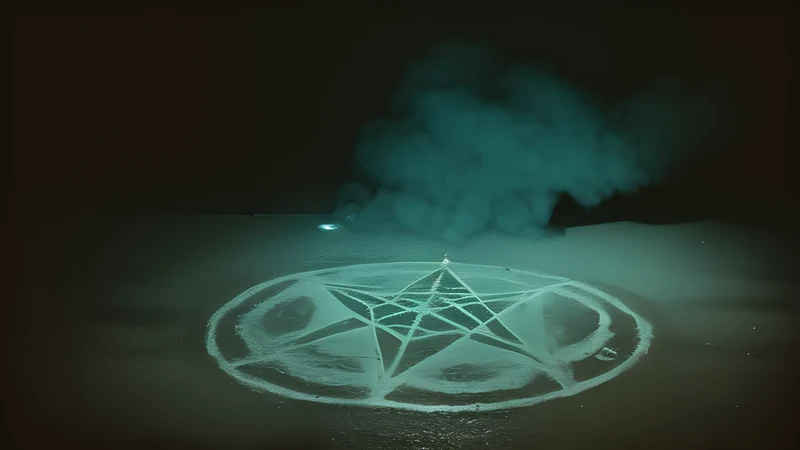
Sophia’s stated wish is to speak to her son Jack, who is dead. Solomon takes the job. They salt the house, draw the circle, and begin.
The craft: fatigue as a horror mechanic
What Gavin understands, and what almost nobody else has been willing to film, is that a ritual designed to break the ego would be awful to undergo. The Abramelin operation as described in the sources demands purification, isolation, fasting, prayer at fixed hours, and a total surrender of will to the process. Gavin films this as an occupational hazard. Sophia is cold. She is hungry. She is exhausted. Her hands hurt. She is told to do something degrading and she does it because she has already paid for the room.
The structural consequence is that A Dark Song generates dread without any monster on screen for most of its running time. The tension comes from the possibility that Solomon is either a fraud who has locked a grieving woman in a house, or entirely correct — and the film keeps both live for over an hour. Oram, best known to British audiences as a comic actor, plays him without a shred of mystique. He is petty. He gets drunk. He resents her money. When he is right about something he is insufferable about it. This is the single best decision the film makes: the sorcerer is a tradesman, and the trade happens to be real.
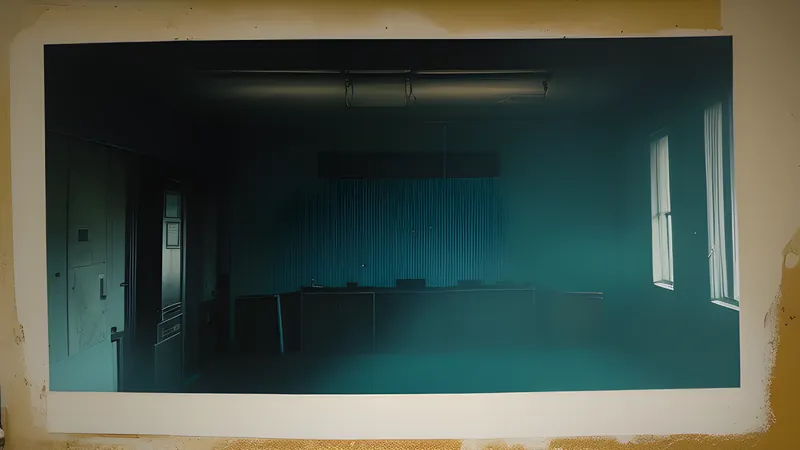
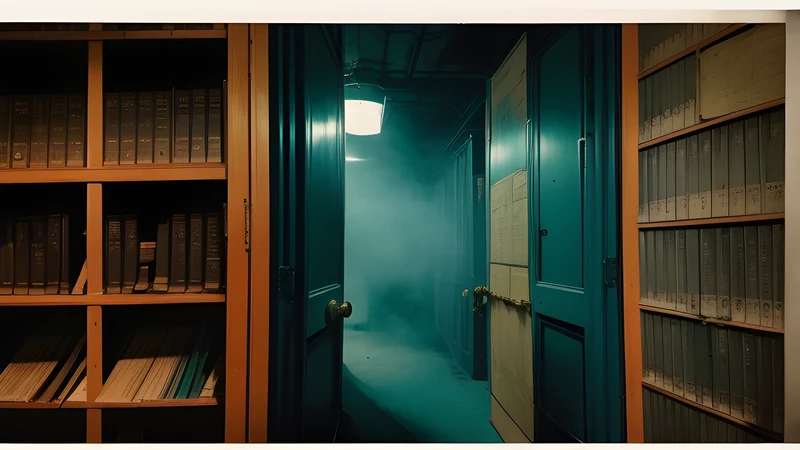
Cathal Watters shoots the house in cold, sourceless winter daylight and lets rooms stay empty for a long time. There is a specific technique running through the film worth naming — Gavin repeatedly holds on the interior of the circle after the characters have stopped moving. Nothing enters. Nothing happens. The camera simply declines to cut, and after the fourth or fifth time your eye starts hunting the corners of the frame on its own. He is training the audience to look for something before he ever puts anything there. Ray Harman’s score works the same territory, mostly held low strings that refuse to resolve.
The other craft choice is the passage of time. There are no title cards counting the weeks. Gavin marks the months through the state of the two bodies — hair, weight, the mess in the kitchen, the deterioration of the tempers — so the duration registers physically rather than as information. By the point you realise how long they have been in there, you have already sat through it.
Two performances at cross purposes
The film only works because Walker and Oram are playing different genres at each other and neither blinks.
Walker gives Sophia a brittle, clenched control that reads as grief only in retrospect. She is not a woman falling apart; she is a woman who has decided, some time before the film began, exactly what she is going to do, and every scene is her spending resources — money, dignity, body — on a plan she will not discuss. Walker plays her as somebody managing a project. When she submits to Solomon’s demands she does it the way you sign a contract you have not read, because the alternative is stopping.
Oram is doing something harder. Solomon is a man whose entire authority rests on a claim nobody can verify, and Oram plays the insecurity underneath it constantly. He bullies because bullying is the only way he can enforce compliance with a system he cannot demonstrate. He gets snide about her money. He makes it clear, repeatedly, that she is a client rather than a colleague, which is the standard defence of any expert who suspects he is being humoured. The film is unusually precise about the class dimension here — she has the house and the cash, he has the knowledge, and neither of them can convert their asset into respect from the other.
The result is a two-hander where the antagonism never resolves into a partnership. Most films of this shape would grant them a bonding scene around the seventy-minute mark. Gavin gives them one moment of something like warmth and immediately weaponises it. The relationship stays transactional to the end, which is both harder to watch and much more consistent with the ritual’s own logic: this is an operation, and operations do not care whether the operators are friends.
The real ancestor
The obvious reach is The Devil Rides Out, and there is a genuine connection: Terence Fisher’s 1968 Hammer film is the great chalk-circle picture, and it takes its occultism seriously enough to make the rules matter. Duc de Richleau’s circle works because the film has established what a circle is for. Gavin is playing the same game at a hundredth of the budget.
But the deeper ancestor is Night of the Eagle, Sidney Hayers’s 1962 adaptation of Fritz Leiber’s Conjure Wife, where witchcraft is a domestic technology practised by faculty wives and the horror is bureaucratic. Both films are about magic as procedure performed by unglamorous people in ordinary rooms, and both derive their power from the flat conviction that the procedure works.
There is a third line worth drawing, back to Häxan. Benjamin Christensen’s 1922 film is built on the same premise — that the historical texts describe something people actually did, in detail, and that the detail is more disturbing than any invention. Gavin is Christensen’s descendant more than he is Ari Aster’s peer.
Worth noting too what Gavin refuses. There is no scene of a librarian explaining the grimoire, no montage of research, no character who arrives to say “you’re meddling with forces you don’t understand”. The exposition is entirely embedded in Solomon giving instructions, which means the audience learns the rules the same way Sophia does — as orders, out of order, with no context and no right of appeal.
The case against
The last ten minutes are the film’s fault line. After eighty minutes of rigorous, unglamorous, materially specific horror, Gavin commits to showing you something, and what he shows is achieved on a budget that cannot support it. A film that has been operating entirely on suggestion and dread suddenly has to render the payoff, and the seams are visible. Plenty of viewers find this fatal.
I think the choice is defensible and the execution is not. The ending Gavin wants requires the thing to be present — the whole film has been an argument that the ritual is real, and to withhold the result at the last minute would be a cheat of the exact kind the film has spent ninety minutes refusing. He needed the money to do it, and he did not have the money. That is a production problem rather than an authorial failure, and it is a smaller sin than the alternative.
The other honest complaint: the film is unpleasant company. Solomon is deliberately abrasive, Sophia is deliberately closed, and there is no relief anywhere in it. This is a horror film with no jokes and no warmth until the final movement. Whether that reads as discipline or as airlessness will depend on your tolerance.
Where it sits
A Dark Song was made for very little and has quietly become the reference point for anyone who wants to film magic as work. Its influence is visible in the current wave of ritual horror; it is the film that people who make occult horror have seen. It streams on the usual horror platforms and turns up on Shudder regularly.
Watch it in one sitting, in the cold, without your phone. It rewards the same endurance it depicts. If it lands, Apostle gives you a maximalist version of the same theology — a real god, badly handled by men — and Hagazussa offers the same commitment to duration in a very different key.
Spoilers below
Everything from here assumes you have seen it.
The reveal that recontextualises the film arrives around the midpoint, and it is a lie rather than a monster. Sophia has not been honest about her wish. She has told Solomon she wants to speak to her murdered son. What she actually wants, once the angel grants her the wish, is for the people who killed him to suffer. She has hired an occultist under false pretences and dragged him into a months-long operation on a lie — which, in a system where the entire ritual depends on purification and honesty, is a catastrophic act of sabotage.
This is the film’s real argument. The Abramelin operation is a machine for stripping away the self, and Sophia has arrived carrying the one thing it cannot process. Every miserable hour they have spent has been compromised from the first day. Solomon’s fury when he learns is the most alive he is in the film, and he is right.
Jack’s death — killed by teenagers in a mock occult ritual — is the detail that closes the loop. Sophia’s son was murdered by children playing at exactly the thing she has now spent months doing for real. The film never underlines it. It does not need to.
The ending is where opinion splits hardest. Solomon dies, badly, and Sophia is left alone in the house with the operation half-complete and something in it with her. What she finally asks the angel for, when it comes, is the capacity to forgive — which is the only thing in the film she has been unable to manufacture by effort. The angel grants it. The CGI does not support the moment, and the moment is still the right one: the ritual works, and what it produces is the end of wanting revenge. That is a genuinely unusual place for a horror film to land, and it is why A Dark Song has outlasted better-funded contemporaries.
Related Content