Dead Space (2023): The Remake as Restoration
Motive rebuilt the Ishimura without arguing with it, and that was the right call
Contents
Most remakes are arguments. The remake of Resident Evil 4 takes its original’s central rule and overturns it. Final Fantasy VII Remake takes its original’s ending and makes a philosophical scene out of disagreeing with it. Motive’s Dead Space, released in January 2023 on PS5, Xbox Series consoles and PC, does something rarer and much harder to talk about: it agrees. Fifteen years after EA Redwood Shores shipped the original in 2008, this is the same game, with the same layout, the same weapons, the same beats, executed by people who thought the 2008 design was already right and set out to build the version the hardware of the time wouldn’t allow.
That’s a strange product to review, because the temptation is to score it on novelty and it has almost none. The interesting reading is elsewhere. What does a remake look like when the designers’ only ambition is to remove the compromises? And how much of a horror game turns out to have been compromise?
Dismemberment was always the system
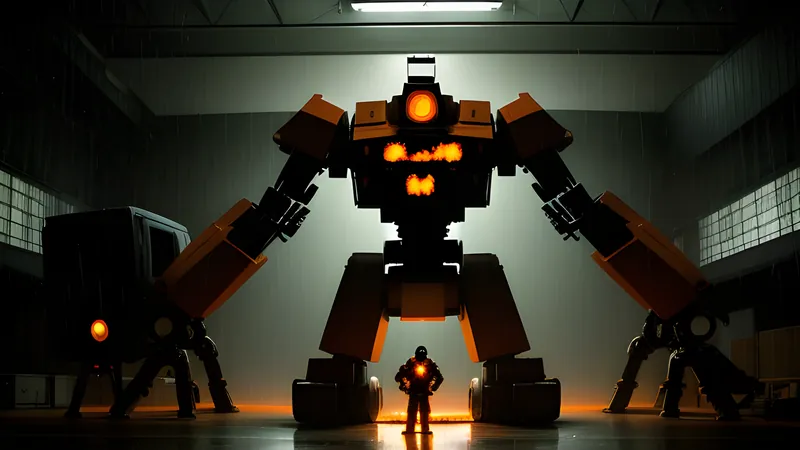
Dead Space’s reputation rests on one line of dialogue and one design rule, and the rule is the reason the game outlasted everything around it. Necromorphs don’t die from body damage. Empty a pistol into a torso and the thing keeps walking. You kill them by taking the limbs off, which means the plasma cutter’s rotating blade — horizontal, vertical, snap it round with a button — is an aiming problem rather than a damage problem. Every shot is a decision about which piece of a moving body you want to remove.
That does something no health bar can. It makes the enemy’s body legible. You look at a Slasher and you see arms, and arms are the problem, and the game has trained you to solve problems by cutting rather than by shooting. Panic in Dead Space is the specific panic of firing four rounds into a chest because your hands forgot the rule.
The remake’s central technical addition serves exactly that rule and nothing else. Necromorphs are now built in layers — skin, muscle, bone — and shots strip them progressively, so a limb visibly degrades before it comes off. In a game about damage numbers this would be gore for its own sake. In a game where the enemy’s silhouette is your information, it’s a feedback improvement: you can now see how close a limb is to separating, and adjust mid-encounter. The 2008 game had a binary — attached or gone — because that’s what a 2008 console could stream. The remake has a gradient, and the gradient is the extra sentence the original wanted to say.
That’s the pattern for the whole project. Find the thing the design was reaching for, and give it the hardware it needed.
The ship as one continuous object
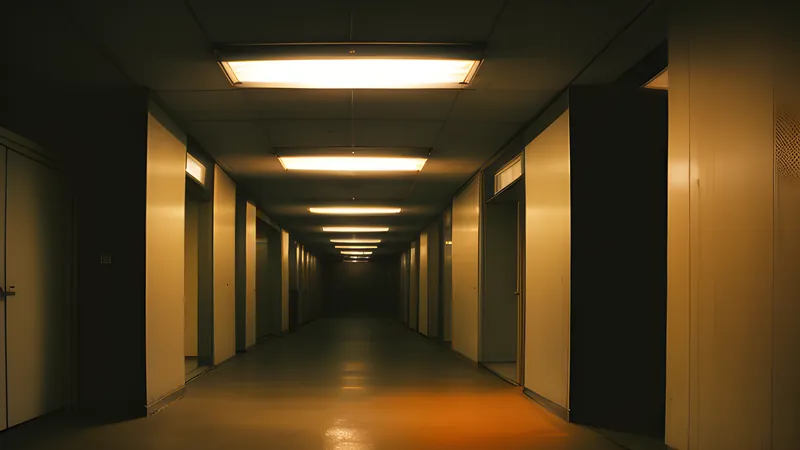
The USG Ishimura in 2008 was twelve chapters connected by loading screens dressed as tram rides. In 2023 it’s one place. You can walk from the bridge to the mining deck without a cut, the tram is a real vehicle in a real network, and — this is the part that matters — the ship is now fully interconnected, so the level design can double back on itself the way a real derelict would.
Motive uses that in two ways. The obvious one is atmosphere: the Ishimura reads as a working vessel with a plan, which makes the corpses read as an event that happened to a place rather than a set of horror rooms in a row. The subtler one is the security clearance system, which replaces the original’s locked doors. Doors that refuse you at clearance one open at clearance two, so the ship gates you by rank rather than by scripted key, and the map fills in gradually as a single expanding space. It’s the metroidvania grammar applied to a survival horror ship, and it’s the single biggest structural improvement over the original.
Side missions follow from it. Isaac now has a handful of optional errands — chasing the Ishimura’s dead crew through their own logs — that send you back through territory you cleared hours ago. That trip is where the game earns the seamless ship, because returning to a “safe” corridor and finding it repopulated is a feeling the 2008 version’s architecture simply could not produce.
The Intensity Director sits on top, adjusting spawns, lighting and sound to what you’re doing. It’s less of a headline than the marketing wanted, and its real function is modest and correct: it stops the backtracking from being empty, and it keeps the ship from settling into a rhythm you can predict. The same idea, differently expressed, underwrites Still Wakes the Deep, where the horror is likewise a structure you have to keep re-crossing.
Isaac speaks, and the room changes
The one genuine deviation: Isaac Clarke has a voice, provided by Gunner Wright, who played him in Dead Space 2 and 3. In 2008 he was a mute — a helmet with hands, in the Gordon Freeman tradition.
This is the change most likely to annoy purists and it’s defensible on the game’s own terms. The 2008 Isaac was silent while every other character in the fiction spoke at him, issued orders, and treated him as an engineer to be dispatched. Giving him a voice converts him from an instrument into a person who is being used, which is the story the original was already telling and could only tell in the third person. The remake’s Isaac pushes back, occasionally, and every time he does the power dynamic of the Ishimura’s chain of command becomes visible.
The cost is real. Silence was doing work — the helmet is one of the great horror designs precisely because it never told you what was behind it. Trading that for characterisation is a legitimate trade with a legitimate loss, and it’s the only place in the remake where I’d say the original still wins.
Where it fights itself
The remake inherits the original’s third act, and the original’s third act is the weakest part of a very good game. Zero-G is now full flight, imported from Dead Space 2, and it’s an enormous improvement over the 2008 point-and-jump version — the asteroid-shooting sequence, which was reviled for fifteen years, is finally playable. It’s also the point where the game becomes a shooter with a level select, and the Necromorph rule that made the first six hours brilliant gets buried under set pieces.
Kinesis and Stasis are still underused. Kinesis lets you pick up a severed limb and throw it as a spear, and it’s the most inventive economy in the game: your ammunition is the enemy. Stasis slows anything to a crawl and turns a panic into a puzzle. Both are fully realised and both are optional, because the plasma cutter is so good that most players will finish the game having barely touched either. When a toolkit’s best tools are elective, the loop underneath is either magnificent or too dominant, and here it’s both.
And the upgrade tree keeps the original’s node system, which was fiddly then and is fiddly now — a grid of sockets that mostly amounts to spending currency on numbers. The remake adds an upgrade path for weapon behaviour rather than pure stats, which helps a little. It’s the one place Motive should have argued and didn’t.
The verdict
Dead Space (2023) is the most useful remake anyone has made, precisely because it’s the least interesting to argue about. It’s a demonstration that a well-designed game from 2008 needed nothing except the machine it deserved — that dismemberment, the Ishimura, and the plasma cutter’s rotating blade were finished work, and the loading screens were the flaw. Every change serves the original’s intent. Nothing is here to make a point.
The first six hours are as good as survival horror gets. The last three are a competent action game with a lot of set dressing, which is exactly what the last three hours of the 2008 version were, and I’d rather have the honest reproduction than a fabricated improvement. Play it on PS5 or PC; the ship is worth the frame rate.
If you want the opposite philosophy — a remake that disagrees with its source in public — read Resident Evil 4 (2023). If you want the argument that survival horror’s soul lives in restraint rather than technology, Signalis makes it with a fraction of the budget.
Spoilers below
The remake’s smartest addition is the smallest one. In 2008, Nicole was a ghost you didn’t clock until the game told you, and the reveal at the end — that she’d been dead the whole time, that Isaac had been talking to a Marker-induced hallucination — landed as a twist because the fiction had withheld its cards.
Motive rebuilds it as something you can catch. The new-game-plus alternate ending, and the seeding of Isaac’s instability through the run, turn the reveal into a piece of evidence rather than a rug-pull. Isaac’s dialogue lets him respond to Nicole, and the responses go wrong in ways an attentive player registers long before the confirmation arrives. That’s the strongest justification for the voice: a silent Isaac cannot be seen losing his mind in real time, because losing your mind is a thing that happens in speech.
The Hive Mind is still a boss fight in a genre that shouldn’t have boss fights. It was true in 2008. It’s true now. Some things a restoration honestly cannot fix, and pretending otherwise would have made this a different, worse project.
Related Content