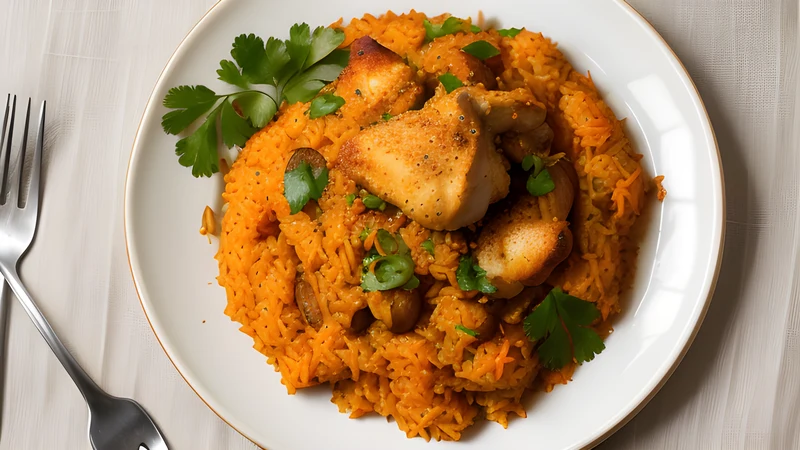
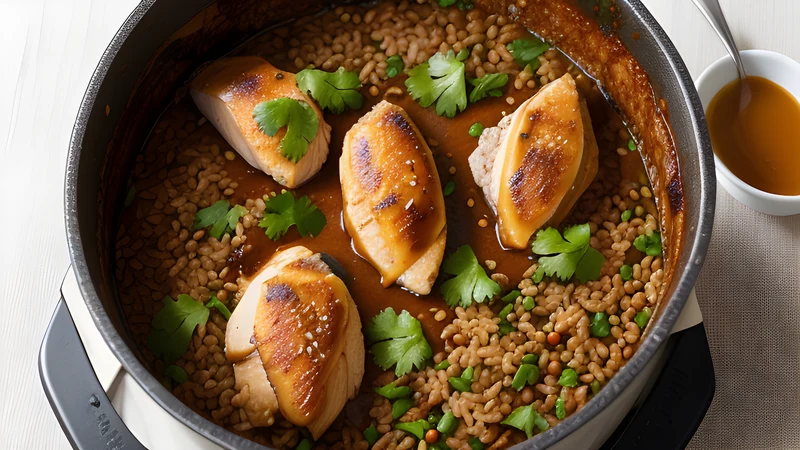
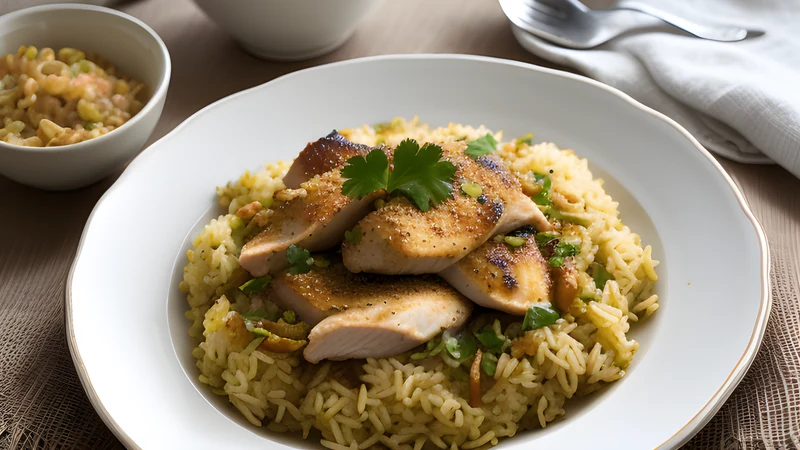
Zurbian: The Yemeni Lamb Rice
Saffron, potato and slow lamb layered into Yemen's answer to biryani
Contents
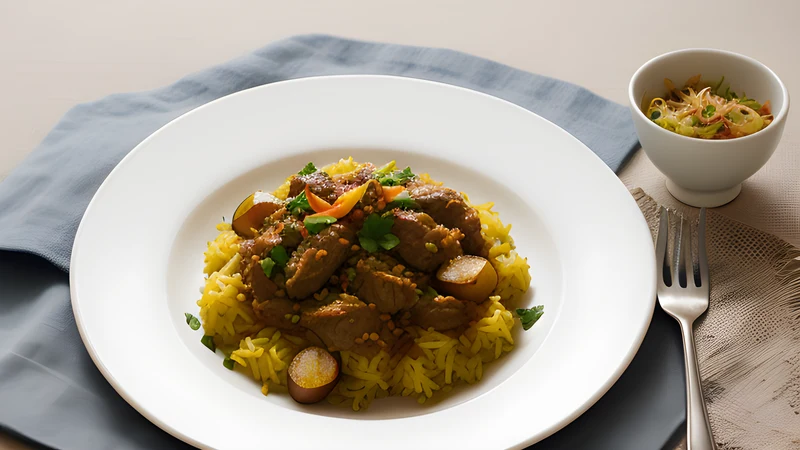
↓ Jump to recipeAsk ten Yemeni families how to make zurbian and you will get eleven answers, because this is a dish people are quietly, fiercely proud of. It surfaces at weddings, at Eid, at the big Friday lunches where three generations sit on the floor around a shared platter the size of a car tyre. And it earns its place at those tables the honest way: tender saffron lamb, rice stained gold in streaks, fried potato soaking up the juices, all built up in layers and steamed together until the flavours run into one another.
Zurbian: The Yemeni Lamb Rice
Ingredients
- 1kg bone-in lamb shoulder or leg, cut into large chunks
- 500g basmati rice
- 200g plain yoghurt
- 3 large onions, sliced
- 4 garlic cloves, grated
- 25g fresh ginger, grated
- 2 tomatoes, grated
- 3 potatoes, peeled and quartered
- 2 tbsp Yemeni hawaij spice blend (or 2 tsp cumin, 1 tsp coriander, 1 tsp black pepper, 1 tsp turmeric, 1/2 tsp cardamom)
- 1 cinnamon stick
- 4 green cardamom pods
- 4 cloves
- 2 bay leaves
- Large pinch saffron, steeped in 3 tbsp warm milk
- Small bunch coriander, chopped
- 60ml vegetable oil, plus more for frying
- 40g ghee
- 2.5 tsp salt, plus more to taste
Method
- Mix the yoghurt, garlic, ginger, grated tomato, hawaij and 1.5 tsp salt into a marinade. Coat the lamb and leave at least 1 hour, ideally overnight in the fridge.
- Rinse the basmati until the water runs clear, then soak in cold water 20 minutes and drain.
- Deep-fry the sliced onions in oil until deep golden and crisp; drain on paper. Fry the potato quarters in the same oil until golden on the surface; set aside.
- In a heavy pot, brown the marinated lamb with the whole spices and bay leaves. Add 600ml water, cover and simmer 60 minutes until the lamb is very tender. Stir in half the fried onions.
- Meanwhile, boil the rice in plenty of salted water with a little more hawaij for 6 minutes, until just past raw but still firm. Drain.
- Lift most of the lamb aside. Layer: half the parboiled rice over the sauce and remaining lamb, then the fried potatoes, then the reserved lamb, then the rest of the rice. Drizzle over the saffron milk and dot with ghee.
- Cover tightly and steam (dum) on the lowest heat 25 minutes. Rest 10 minutes, then gently lift onto a platter and top with the remaining fried onions and coriander.
Yemen’s biryani, and where it came from
Zurbian is Yemen’s contribution to the vast Indian Ocean family of layered spiced rice dishes. It sits close to biryani, and that is no accident. The port of Aden was for centuries one of the busiest harbours on the trade route between India and the Red Sea, and the Hadhrami people of eastern Yemen were famous merchants and migrants who moved between Yemen, India and East Africa for generations. They carried recipes in both directions. The result is a dish that shares biryani’s DNA — parboiled basmati, a yoghurt-marinated meat, the layer-and-steam dum method — but speaks in a distinctly Yemeni accent, built on the local spice blend hawaij rather than a garam masala, and often gentler on the chilli.
That Yemeni accent is worth naming. Hawaij for savoury cooking is a warm, earthy blend leaning on cumin, black pepper, turmeric and cardamom, with none of the sweetness of a subcontinental masala. It gives zurbian a grounded, almost smoky flavour that is unmistakably of the Arabian Peninsula. Add saffron and a little cardamom perfume on top, and you have the two poles the dish balances between: earthy and floral, at the same time.
Marinate the lamb, and mean it
The lamb is the heart of the dish, and the marinade is where its flavour is set. Yoghurt does two jobs: its acidity and enzymes tenderise the meat, and it clings to the surface carrying the spices deep into every chunk. Grated tomato adds a little sweetness and acidity, garlic and ginger the aromatic backbone, and the hawaij the character. Give it at least an hour, but if you can leave it overnight in the fridge the meat comes out noticeably more tender and more deeply flavoured. Bone-in lamb shoulder is my choice — the bones and the fat make the braising liquid rich, and shoulder stays succulent through the long cook where leaner leg can dry.
Brown the marinated meat before you add water. That colour is flavour, the Maillard browning that gives the whole pot its savoury depth, and it is worth the extra ten minutes and the spattered hob.
Fried onions and fried potato: the two texture tricks
Two components separate a memorable zurbian from a merely decent one, and both are fried. The first is the bizar-scented crisp fried onions that go through the lamb and over the top — the same deeply browned onions that appear across Gulf and Yemeni cooking, adding sweetness, colour and a savoury bass note. Fry them slowly to a genuine dark gold and drain them well; they should shatter into brittle shards, crisp all the way through.
The second is the potato. Frying the quartered potatoes until golden on the outside before they go into the layers keeps them from disintegrating during the steam, and gives them a surface that drinks up the lamb juices without turning to sludge. Buried in the middle of the pot, they emerge soft and saturated with flavour, and for many Yemenis they are the best bit — the piece people fight over. Do not skip them.
Parboil, layer, steam
The rice is cooked in two stages, exactly as for biryani, and understanding why makes it foolproof. First you boil the basmati in plenty of salted water for around six minutes, until it is just past raw but still has a firm core. It is deliberately undercooked, because it will finish cooking in the steam. Drain it well.
Then you layer. The braised lamb and its thick sauce go at the bottom, then a layer of parboiled rice, then the fried potatoes, then more lamb, then the rest of the rice on top. Over that final layer go the saffron milk — which paints the rice in gold streaks rather than colouring it uniformly, the look zurbian is prized for — and dots of ghee for richness and aroma. Then you clamp the lid on and steam it on the lowest possible heat for twenty-five minutes. This is the dum: the trapped steam finishes the rice and marries the layers without stirring, so the grains stay separate and the flavours meld from the outside in.
Resist stirring at any point after layering. When it is done, you rest it, then lift it gently onto the platter, bringing up lamb and potato with the rice so every serving has some of each.
A word on the rice itself
Basmati is not interchangeable, and for zurbian the choice matters. Look for aged basmati, sometimes sold as “old crop” or with a year on the sack. Rice that has been stored a season or two loses surface moisture, so the grains cook up longer, drier and more separate — exactly what you want when the finished dish will be lifted and turned. Fresh-crop basmati holds more water and tends towards stickiness under the same treatment. The twenty-minute soak after washing is not optional either: it lets the grains hydrate evenly so they lengthen rather than snap in the pot, and it shortens the parboil so there is less chance of overcooking. Salt the parboiling water generously, as you would for pasta, because this is the only stage at which the rice itself gets seasoned from within.
Hawaij, saffron and the spice logic
The character of zurbian lives in two spice gestures pulling in opposite directions, and getting the balance between them is what separates a good pot from a great one. The first is hawaij, the everyday Yemeni savoury blend, ground fresh from cumin, black pepper, turmeric, coriander and often a little caraway and cardamom. It is earthy, warm and grounding, and it does the heavy lifting in the marinade and the braise, giving the lamb its deep, savoury base. Buy it from a Yemeni or Gulf grocer if you can, or grind your own from whole toasted seeds, which keeps it vivid; a stale, pre-ground supermarket blend tastes flat and dusty and drags the whole dish down.
The second gesture is the perfume that goes on top: saffron steeped in warm milk, a little more cardamom, sometimes a few drops of rosewater or a scatter of dried lime. Where the hawaij is earthy, this is floral and high, and it lifts the rich lamb and rice into something festive. Bloom the saffron properly, crushing the threads and letting them steep in warm milk for at least ten minutes until the liquid turns deep gold, so the colour and aroma spread rather than clumping in one corner. Whole spices — cassia bark, cloves, black cardamom, a bay leaf — go into the braise to release their oils slowly over the long cook, and a few fried whole spices scattered over the finished platter are a traditional flourish.
Between the two poles sits the fried onion, which bridges them: sweet and dark and savoury, it belongs to neither the earthy nor the floral camp but ties them together. This layering of an earthy base, a floral top note and a sweet bridge is the quiet architecture behind every great spiced rice of the Indian Ocean, and once you can taste it working you will understand why the same structure turns up from Hyderabad to Zanzibar.
Method, step by step
Marinate the lamb in the spiced yoghurt, ideally the night before. When you are ready to cook, wash and soak the rice, then fry your onions dark and your potatoes golden and set both aside. Brown the marinated lamb with the whole spices, add water, and simmer it covered for an hour until it is falling-apart tender, stirring half the fried onions through near the end.
While the lamb braises, parboil the rice for six minutes and drain it. Layer the pot — sauce and lamb, rice, potato, lamb, rice — anoint the top with saffron milk and ghee, and steam it sealed on the lowest heat for twenty-five minutes. Ten minutes’ rest, then turn it out onto a big platter and finish with the last of the fried onions and a handful of coriander.
Tips, storage and variations
The mistake that ruins zurbian is mushy rice, and it comes from over-boiling at the parboil stage. Six minutes is a guide; test a grain, and pull it while it still has bite. It will soften fully in the steam.
If the bottom threatens to catch during the steam — a real risk on a fierce hob — set the pot on a heat diffuser or a dry frying pan to buffer the heat. A gently caught, crisp bottom layer is actually prized in some households, the Yemeni cousin of the Persian tahdig, so a little colour there is no disaster.
Zurbian keeps three days in the fridge and reheats well covered with a splash of water. It is traditionally served with sahawiq, a fiery green or red chilli-and-tomato relish blitzed with coriander, which cuts the richness beautifully — make a bowl of it if you can. For a full Yemeni spread, sit it beside the bubbling fenugreek stew saltah. If you like this style of spiced Peninsula rice, the Bahraini machboos is its everyday sibling, and the slow wheat porridge harees shares the same festival table.
It is a project, no question — an afternoon’s worth of pots. But zurbian is the dish Yemenis make when they want to show love through food, and one platter of it explains exactly why.
Related Content