Zacuscă: The Romanian Aubergine Spread
the autumn harvest, roasted down and sealed in jars for winter
Contents
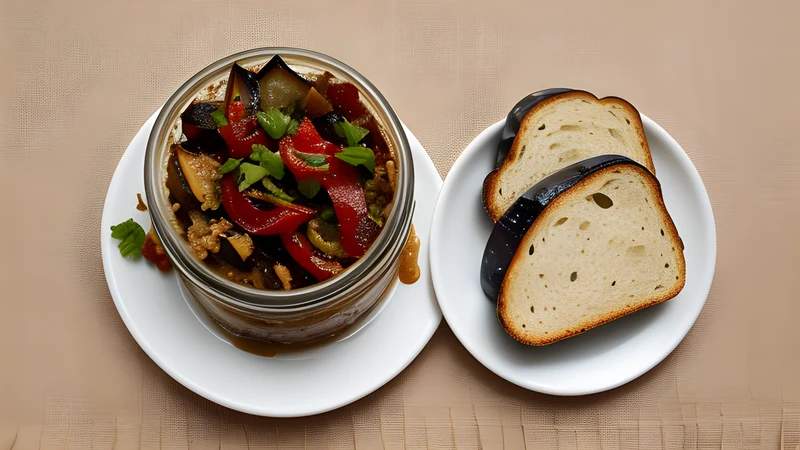
↓ Jump to recipeZacuscă is autumn in a jar, and in Romania its making is a genuine seasonal event rather than a recipe. When the markets fill with cheap late-summer peppers and aubergines, whole families set aside a weekend, drag out the biggest pots they own, and cook enough zacuscă to see them through until spring. The smell of roasting peppers drifts from balconies and courtyards across the country in September and October, and the rows of sealed jars lined up in a pantry are a quiet source of pride and security, the harvest captured before the cold comes. To make zacuscă is to take part in one of the last widely practised food-preserving rituals in Europe.
The name gives away its roots. Zacuscă comes from the Slavic zakuska, meaning a snack or an appetiser eaten before a meal, and versions of this vegetable spread appear across the region under related names. The Romanian one is defined by roasted red peppers and aubergines cooked down slowly with sweated onions and tomato into a dark, glossy, spoonable spread. It is entirely plant-based, which made it invaluable during Orthodox fasting periods and through lean times, and it is eaten simply, spread thick on fresh bread, all through the winter. A jar opened in January tastes of the September fire it was roasted over.
Zacuscă: The Romanian Aubergine Spread
Ingredients
- 2kg red peppers (kapia or ramiro if you can find them)
- 1.5kg aubergines
- 1kg onions, finely diced
- 300ml sunflower oil
- 400g tomato paste, or 700g thick passata reduced
- 3 bay leaves
- 1.5 tbsp salt, or to taste
- 1 tsp black peppercorns, coarsely ground
- Optional: 1-2 hot chillies, or 1 tsp smoked paprika
Method
- Char the peppers and aubergines whole over an open flame, under a hot grill, or in a very hot oven until the skins blacken and blister and the flesh collapses, about 30-40 minutes, turning them.
- Seal the hot peppers in a covered bowl or bag for 15 minutes to steam, then peel off the skins, remove the seeds and stems, and drain well.
- Peel the roasted aubergines, drain the flesh in a colander to remove bitter liquid, then chop the peppers and aubergines finely or pulse briefly (keep some texture; do not purée to a paste).
- In a large heavy pot, fry the diced onions in the sunflower oil over medium-low heat for 15-20 minutes until soft, sweet and pale gold.
- Add the tomato paste and cook 5 minutes, stirring, then add the chopped peppers and aubergines, bay leaves, salt, pepper and chilli or smoked paprika if using.
- Cook uncovered over low heat for 60-90 minutes, stirring often, until the mixture is dark, thick, glossy and jammy and a spoon drawn across the base leaves a trail where the oil separates out.
- Spoon boiling-hot into sterilised jars, seal, and for long storage process the sealed jars in a low oven (140°C) for 20 minutes or a boiling-water bath, then leave to cool undisturbed.
Every family has its own recipe
There is no single correct zacuscă, and to suggest otherwise to a Romanian is to invite a long, fond argument. The base of roasted peppers and onions is near-universal, but from there the variations multiply. The classic and most common is zacuscă de vinete, built on aubergines. Others add sautéed mushrooms for a deeper, earthier version, zacuscă de ciuperci; some fold in cooked haricot beans, zacuscă de fasole, for body; some add roasted carrot for sweetness or a spoon of grated horseradish for a kick. The proportion of peppers to aubergine shifts from household to household, and so does the amount of tomato and the level of chilli. The recipe here is a solid, classic aubergine-and-pepper version to build your own preferences on.
What every good version shares is patience and generosity with oil. Zacuscă is not a low-fat food; the sunflower oil is both a flavour and a preservative, sealing the surface and helping the jars keep, and skimping on it gives a dry, dull spread that does not store as well. The other shared trait is the long, slow reduction at the end. Zacuscă must be cooked down until it is genuinely thick and the oil begins to separate at the edges, because that concentration is what develops the deep, mellow, faintly sweet flavour and drives off the moisture that would otherwise spoil the jars.
Fire is the whole flavour, and my one twist
The single most important step, and the source of my one deliberate twist, is how you roast the peppers and aubergines. You can roast them in a hot oven and make perfectly good zacuscă, but if you char them directly over a flame, on a gas hob, a barbecue, or a wood fire, until the skins blacken completely, you build a real smokiness into the finished spread that lifts it from good to memorable. This is how it is often done in the Romanian countryside, over the same fires that heat the house, and that whisper of smoke is what makes homemade zacuscă taste of somewhere rather than of a supermarket jar. If open-flame roasting is not practical, a teaspoon of good smoked paprika stirred in near the end mimics some of that depth.
Roast the vegetables until they are properly collapsed, with the skins loose and blistered and the flesh gone soft all the way through. Peppers benefit from a rest, sealed in a covered bowl or a bag for a quarter of an hour after roasting, which steams the skins loose so they slip off easily. Peel both the peppers and the aubergines thoroughly, because bits of charred skin left in give a bitter, ashy note, and drain the flesh well; aubergine in particular holds a lot of dark, slightly bitter liquid that you want to let run off in a colander before it goes in the pot. Chop the roasted flesh finely by hand or pulse it briefly, keeping some texture rather than reducing it to a smooth purée, because zacuscă should have body under the spoon.
Cooking it down
Sweat the onions first, slowly, in the oil. This is a foundation step that rewards patience: fifteen or twenty minutes over gentle heat until the onions are soft, translucent and just turning gold, sweet rather than browned. Rushed, scorched onions bring a harsh edge that no amount of later cooking removes. Then the tomato paste goes in and cooks for a few minutes to lose its raw tinned sharpness before the roasted vegetables, bay, salt and pepper follow.
Now comes the long simmer, and it cannot be hurried. Over low heat, stirring often so the base does not catch, the mixture slowly darkens, thickens and turns glossy over the course of an hour to ninety minutes. Stir more attentively as it thickens, because a dense spread scorches easily. You are looking for a specific sign of doneness that every experienced maker watches for: drag a wooden spoon across the base of the pot, and when the trail it leaves holds open for a moment and you can see the oil beginning to separate and pool at the edges, the zacuscă is ready. That separation means enough water has cooked off for the jars to keep. Taste and adjust the salt at the very end; it needs enough to season a large volume of vegetables, so be a little braver with it than you might expect.
Jarring and keeping it safe
Zacuscă is made to be preserved, and safe canning matters. Sterilise your jars and lids first, either in a hot oven or a boiling-water bath, and spoon the zacuscă in while it is boiling hot, filling nearly to the top and sealing immediately. For long, room-temperature storage, process the filled and sealed jars further: the traditional Romanian method is to pack the hot jars into a large pot or a low oven, around 140°C, for twenty minutes, then turn off the heat and leave them to cool slowly and undisturbed, often wrapped in a blanket overnight, which lets the seals set as they cool. This second heat step is your insurance against spoilage, so do not skip it for jars you intend to store for months.
Properly made and sealed, zacuscă keeps in a cool, dark pantry for the better part of a year. Once a jar is opened, keep it in the fridge, and it will last a couple of weeks; the layer of oil on top helps protect the surface, and you can top it up with a little more oil to keep it sealed. If any jar ever shows a bulging lid, an off smell, or signs of fermentation, do not taste it; discard it. Good hygiene and a proper heat process make this a very safe and rewarding thing to preserve at home.
Choosing your peppers
The pepper you use shapes the whole jar, so it is worth being fussy. In Romania the prized varieties are kapia, a long, thin-walled, deep-red pepper with an intense sweetness, and gogoșari, a squat, ridged, thick-fleshed red pepper that is meaty and sweet and holds up well to long cooking. Both roast down to a silky richness that ordinary bell peppers only approach. If you can find kapia or the similar ramiro peppers in a market or a Middle Eastern or Balkan shop, buy them; the flavour is noticeably rounder and sweeter than standard bells.
Standard red bell peppers make perfectly acceptable zacuscă if that is what you can get, so do not let the search for the ideal variety stop you making it. Whatever you use, choose peppers that are fully, deeply red rather than orange or green-shouldered, because the ripeness is where the sweetness lives, and green or underripe peppers give a grassy, slightly bitter spread. Buy them at the seasonal glut when they are cheap and at their best, which is exactly when Romanians make their zacuscă, and taste one raw before you commit a big batch: a sweet, ripe pepper now means a sweet, mellow jar in January.
How to eat it, and what it goes with
The default and best way to eat zacuscă is the simplest: spread thickly on a slice of fresh crusty bread, perhaps with a few slices of raw onion or a sharp pickle alongside. It is a staple of the Romanian breakfast and of the endless spread of small plates that opens a celebration meal. Beyond bread, it makes a fine bed for a poached or fried egg, a filling for baked peppers, a sauce stirred through pasta or rice, or a topping for grilled meat and fish. A spoonful stirred into a stew or soup deepens it instantly.
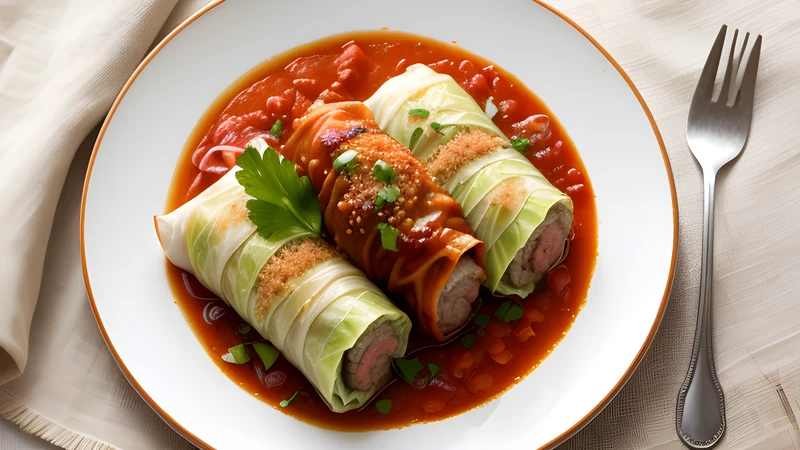
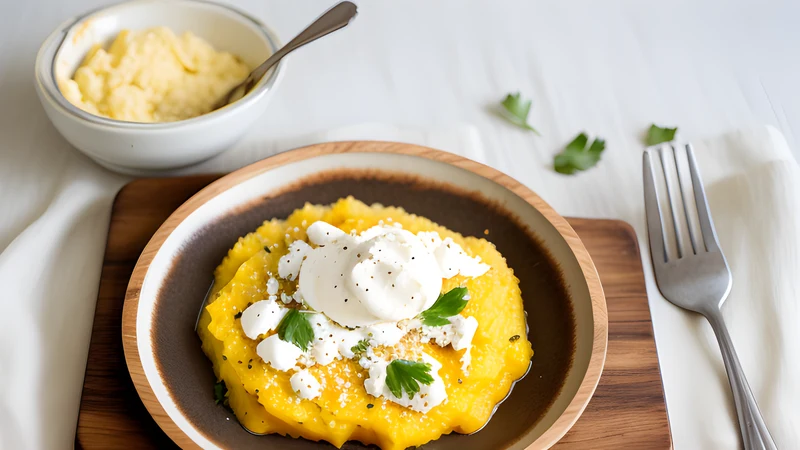
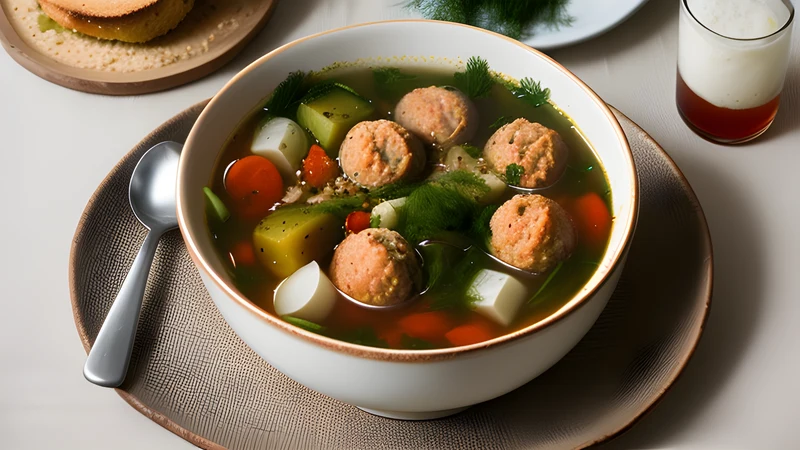
On a Romanian table it sits comfortably among the other cornerstones of the cuisine: alongside a wedge of mămăligă with brânză and smântână, before a plate of sarmale cabbage rolls, or as something to nibble while a pot of ciorbă de perișoare finishes on the stove. It is the quiet, dependable jar that makes an ordinary winter lunch feel cared for.
Variations to make it your own
Once you have the base technique, treat it as a template. Fold in 500g of finely chopped sautéed mushrooms for an earthier, meatier spread. Stir in a tin of drained white beans, roughly mashed, for a heartier, more filling version that eats almost like a meal. Add roasted carrot for a sweeter, milder jar that children love, or a couple of hot chillies and extra black pepper for a fiery one. A splash of good wine vinegar stirred in at the very end brightens the whole thing and helps preservation. Whatever you change, hold on to the two constants that make zacuscă what it is: proper fire-roasting of the vegetables, and a long, patient reduction until the spread is dark, glossy and thick enough to stand a spoon in.
Make a big batch while the peppers are cheap. There are few kitchen tasks as quietly satisfying as lining up a row of filled jars at the end of a smoky autumn afternoon, knowing that a slice of bread and a good winter lunch are sorted for months to come.
Related Content