Yassa Poulet: Senegal's Onion-and-Lemon Chicken
The Casamance classic built on a mountain of slow-cooked onions
Contents
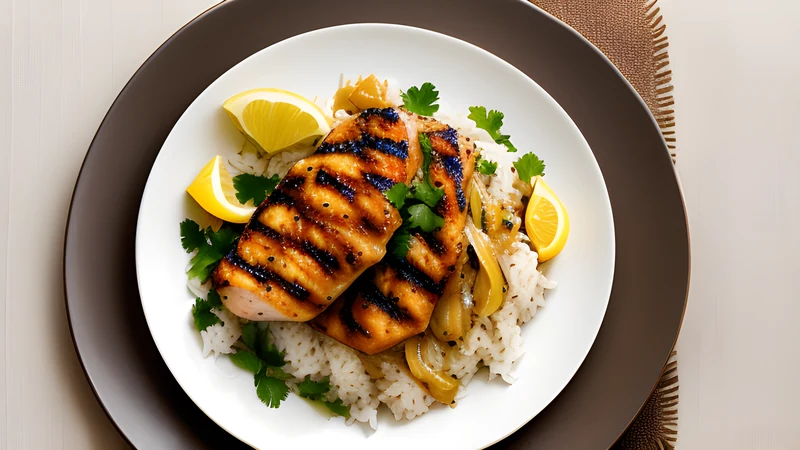
↓ Jump to recipePoulet yassa is the dish that converts people to Senegalese food in a single plate. It looks modest, chicken and onions, but the first forkful explains the fuss: tangy, savoury, faintly sweet, deeply oniony, with a lemon-and-mustard sharpness cutting through the richness and a low warm hum of Scotch bonnet underneath. It is Senegal’s most travelled dish, the one that turns up in West African restaurants from Dakar to Paris to New York, and it is built on one gloriously simple idea taken to a generous extreme: onions, and a great many of them.
Yassa Poulet: Senegal's Onion-and-Lemon Chicken
Ingredients
- 8 bone-in, skin-on chicken thighs (or 1 chicken, jointed)
- 6 large onions (about 1.2kg), thinly sliced
- 6 tbsp fresh lemon juice (about 3 lemons), plus 1 lemon in wedges
- 4 tbsp Dijon mustard (3 tbsp for the marinade, 1 tbsp for the sauce)
- 6 garlic cloves, crushed
- 4 tbsp neutral oil, plus more for cooking
- 2 bay leaves
- 1 Scotch bonnet chilli, left whole
- 1 chicken stock cube dissolved in 200ml hot water
- 1.5 tsp salt, plus more to taste
- 1 tsp black pepper
- 2 tbsp green olives (optional)
- Steamed white rice, to serve
Method
- Whisk the lemon juice, 3 tbsp mustard, crushed garlic, 2 tbsp oil, salt and pepper into a marinade in a large bowl.
- Add the chicken and all the sliced onions, turn everything to coat, and marinate at least 2 hours or overnight in the fridge.
- Lift the chicken from the marinade, wiping off most of the onion, and grill or sear in a hot pan with a little oil until well browned on both sides, about 4 minutes a side; set aside.
- Tip the marinated onions and all the marinade into a wide heavy pot with 2 tbsp oil and cook over medium heat, stirring often, for 20–25 minutes until very soft and golden.
- Stir in the extra mustard, the stock, bay leaves and the whole Scotch bonnet, and bring to a simmer.
- Nestle the browned chicken into the onions, cover, and simmer gently for 20–25 minutes until the chicken is cooked through and tender.
- Add the olives if using, uncover, and reduce for 5 minutes until the onion sauce is thick and glossy; taste and adjust salt and lemon.
- Remove the Scotch bonnet before serving over white rice, with lemon wedges on the side.
Where yassa comes from
Yassa is a dish of the Casamance, the lush southern region of Senegal below the Gambia, home of the Jola people, and its name refers to the whole family of tangy marinated dishes rather than to chicken alone. Yassa is really a technique and a flavour, a marinade heavy with lemon or lime, onion and mustard, and it dresses fish (yassa poisson) and meat as readily as chicken (yassa poulet). The mustard is a giveaway of the French colonial layer in Senegalese cooking; Dijon found its way into the West African larder and stayed, and yassa would not be yassa without it.
The dish spread from the Casamance across Senegal and then across the whole Senegalese diaspora, becoming, alongside thieboudienne, the national rice and fish, one of the two flags Senegal plants on any restaurant menu abroad. Where thieboudienne is the elaborate Sunday centrepiece, yassa is the confident everyday classic, easier to make, endlessly reliable, and beloved at gatherings because a single pot stretches to feed a crowd from very cheap ingredients. That thrift is part of its soul: a mountain of onions and a few pieces of chicken, transformed by time and acid into something far greater than the sum of its cost.
The onion is the whole point
Understand one thing and you understand yassa: the onions are the dish itself, the body of the whole sauce rather than a garnish. Six large onions to eight chicken thighs is not a misprint. They cook down into a soft, golden, jammy tangle that becomes the sauce itself, and their slow sweetness is what balances the aggressive lemon and mustard of the marinade. There is no shortcut here; the onions need their full twenty-plus minutes over medium heat, stirred often, until they collapse and turn golden and sweet. Rush them and the sauce tastes raw and harsh.
The clever structure of yassa is that the onions do double duty. They marinate with the chicken, taking on the lemon and mustard, and then they cook into the sauce carrying all that flavour with them. So the marinade is never wasted; it becomes the braise. This is efficient, traditional home cooking of the best kind, and it is why the dish tastes so unified, every element having sat in the same tangy bath before meeting the heat.
Grill first, then braise
The best yassa has two textures of chicken flavour: the char of the grill and the tenderness of the braise. Traditionally the marinated chicken is cooked over charcoal until smoky and browned, then finished in the onion sauce. At home, a hot griddle pan, a barbecue, or a good sear in a heavy frying pan all deliver that browning. Do not skip it. The browned skin and the fond it leaves behind add a savoury depth that a straight simmer never reaches. Wipe most of the onion off the chicken before browning, or it burns rather than caramelises, and keep those onions for the pot.
If you have cooked piri-piri chicken the Mozambican way, the char-then-sauce rhythm will feel familiar; both dishes prove that a bit of smoke and browning before the sauce is what lifts West and Southern African grilled chicken above the ordinary.
Building it, step by step
Start the day before if you can. Whisk together lemon juice, Dijon, crushed garlic, oil, salt and pepper into a sharp marinade, then add the chicken and all the sliced onions and turn everything until thoroughly coated. Cover and leave it in the fridge, at least two hours but ideally overnight; the long soak is where the flavour is made, and the onions soften as they marinate.
When you are ready to cook, lift the chicken out and wipe off most of the clinging onion. Grill or sear it in a little oil until well browned on both sides, about four minutes a side, then set it aside. It will not be cooked through yet, and that is fine.
Tip all the marinated onions and every drop of marinade into a wide heavy pot with a little oil and cook over medium heat, stirring often, for twenty to twenty-five minutes until soft and golden. Stir in a little extra mustard, the stock and the bay leaves, and drop in a whole Scotch bonnet, left intact so it perfumes the sauce without releasing its full fire. Bring to a simmer, nestle the browned chicken back into the onions, cover, and let it cook gently for twenty to twenty-five minutes until the chicken is tender and cooked through.
Add the olives now if you like them, uncover, and reduce for a final five minutes until the onion sauce is thick and glossy and clinging. Fish out the Scotch bonnet, taste, and adjust the salt and lemon; yassa should be assertively tangy, so add more lemon juice if it has gone flat. Serve over plain steamed white rice with fresh lemon wedges.
The Scotch bonnet trick
Left whole, a Scotch bonnet lends its extraordinary fruity aroma and a gentle, building warmth to the sauce without turning it into a fire hazard, and you remove it before serving. This is the standard West African way to season with these ferociously hot chillies, drawing out their perfume while keeping their punishing heat in check. If it splits during cooking the heat jumps sharply, so handle it gently and pull it out the moment the chicken is done. Anyone who wants more heat can mash a little of the cooked chilli into their own portion.
The Casamance, the diaspora, and why it travels
Yassa’s journey out of the Casamance says a lot about how West African food conquered the world’s cities. It is a dish built for feeding many from little, which made it perfect for the large gatherings and shared meals that anchor Senegalese social life, both at home and in the diaspora communities of Paris, Marseille, New York and beyond. A single pot of yassa, heavy on the cheap onions and stretched with rice, feeds a crowd on a modest budget, and it holds and reheats well, which matters when you are cooking for a christening or a Sunday full of relatives. Senegalese restaurants abroad lean on it precisely because it is reliable, forgiving and universally liked; the sweet-tangy onion sauce wins over people who have never eaten African food before. It also travels because its flavours are legible: onions, lemon, mustard and a little chilli are a combination that makes immediate sense to almost any palate, so yassa became a gateway dish, the first Senegalese thing many people try and the reason they come back for the more elaborate rice dishes. The Jola cooks of the Casamance who first married French mustard to West African grilled chicken could not have known they were inventing a dish that would end up on menus on four continents, but the logic of it, generous, thrifty and deeply satisfying, was built to travel from the start.
Why the double soak works
The structure of yassa is cleverer than it first looks, and it is worth understanding so you can trust the method. The onions marinate raw alongside the chicken, which does two things at once: it seasons the chicken with onion, lemon and mustard, and it begins to break down the onions’ harsh raw compounds through the acid, so that when they hit the pot they collapse faster and sweeter. Then the very same marinade, onions and all, becomes the braising liquid, so every drop of that flavour ends up in the finished sauce. Nothing is discarded, nothing is wasted, and the whole dish tastes unified because every component has soaked in the same tangy bath. This is thrifty peasant cooking of the highest order, the kind of design that only emerges from generations of people making a lot from a little. It also means the overnight marinade genuinely matters: skip it and rush the dish, and the onions stay sharp and the chicken tastes only surface-deep. Give it the full soak and the payoff is a sauce with real depth from ingredients that cost almost nothing. Understanding the logic also frees you to improvise, because you can see why each step is there, and you can lean the balance toward more lemon, more mustard or more chilli knowing it will all end up in the pot together.
Tips, variations and storage
Lemon or lime? Both are traditional; lime gives a sharper, more floral edge, lemon a rounder one. Some cooks use a mix. Whichever you use, it must be fresh, because bottled juice tastes dull and slightly bitter here.
Yassa poisson swaps the chicken for firm white fish steaks or a whole fish. Marinate it more briefly, an hour at most, since acid begins to cure fish, and treat it gently in the pan so it holds together.
Rice matters. Plain long-grain white rice is the classic bed, letting the tangy sauce be the star. A little broken rice, the Senegalese staple, is even more authentic if you can find it.
Make-ahead and storage. Yassa is superb the next day; the onions and sauce deepen overnight, so it is a genuinely good dish to cook in advance for a crowd. It keeps four days in the fridge and freezes well for three months. Reheat gently and add a squeeze of fresh lemon at the end to wake the tang back up, because the acidity mellows in storage.
The one mistake that ruins yassa is under-cooking the onions, which leaves the sauce harsh and thin. Give them the time, keep the mustard and lemon assertive, brown the chicken properly first, and you will understand why this humble pot of onions and chicken travelled out of the Casamance and conquered so many tables along the way.
Related Content