Waakye: Ghana's Rice and Beans Cooked with Sorghum Leaves
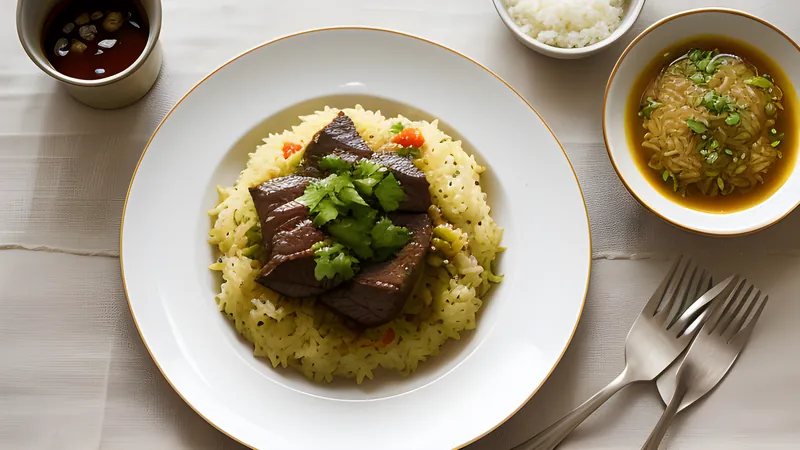
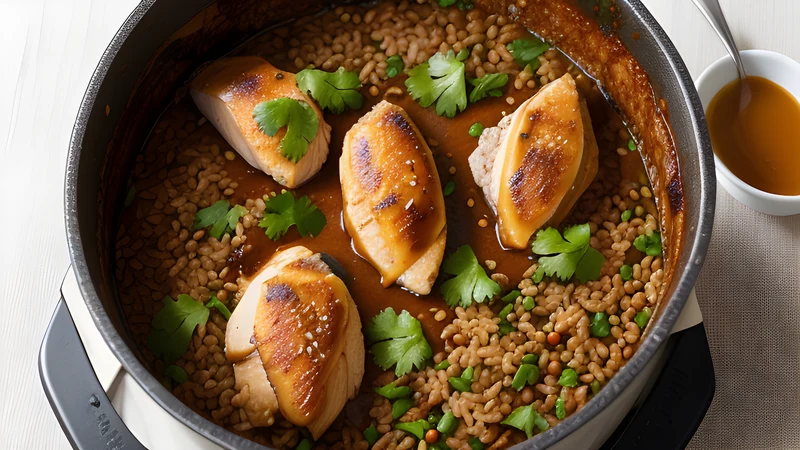
One pot of rice and beans, tinted a deep red-brown by dried sorghum leaves, not by any spice

Contents
↓ Jump to recipeWaakye: Ghana's Rice and Beans Cooked with Sorghum Leaves
Ingredients
- 250g dried black-eyed beans
- 8-10 dried waakye leaves (sorghum leaves), or 1 tsp bicarbonate of soda plus 1 tbsp beetroot powder as substitute
- 500g long-grain rice, rinsed until the water runs clear
- 1.5 litres water, plus more as needed
- 1 tsp salt
- 1 onion, finely diced, for garnish and stew
- 2 tomatoes, blended, for a simple accompanying stew
- 2 tbsp vegetable oil
- 1 stock cube
Method
- Rinse the beans and soak in cold water for at least 2 hours, or overnight, to shorten the cooking time.
- Drain the beans and place in a large pot with the waakye leaves (torn into a few pieces) and 1.5 litres water. Bring to the boil, then simmer for 35-40 minutes until the beans are just tender but not mushy.
- Remove and discard the leaves once the water has turned a deep reddish-brown — squeeze them against the side of the pot with a spoon first to extract as much colour as possible before discarding.
- Add the rinsed rice and salt directly to the same pot and bean liquid. Top up with boiling water if needed so the liquid sits about 2cm above the rice and beans.
- Bring back to the boil, then reduce to the lowest simmer, cover tightly, and cook for 20-25 minutes until the rice has absorbed the liquid and is tender, checking once toward the end that it isn't catching on the bottom.
- Remove from the heat and let stand, covered, for 10 minutes before fluffing with a fork.
- For the simple stew: fry the diced onion in the oil until soft, add the blended tomatoes and stock cube, and simmer for 15 minutes until thickened. Serve spooned over or alongside the rice and beans.
A colour that comes from leaves, not a spice rack
Waakye’s defining feature, its deep reddish-brown to purple colour, has nothing to do with any spice, tomato or dye. It comes entirely from dried waakye leaves — sorghum leaves, called stems of Sorghum bicolor botanically, sold dried in bundles specifically for this purpose in Ghanaian markets — simmered with the beans before the rice goes in. The leaves impart a subtle earthy, faintly mineral flavour alongside the colour, and the effect is entirely natural: no beetroot, no food colouring, no palm oil tint, just leaves boiled hard enough to bleed their pigment into the cooking liquid, which the rice then absorbs as it cooks in that same pot. Waakye leaves are genuinely difficult to find outside West African grocers, and the widely used substitute — a pinch of bicarbonate of soda, which shifts the pH and darkens the beans’ own natural pigments, sometimes boosted with a little beetroot powder for colour — gets close but never quite matches the specific flavour the real leaves bring.
One pot, sequential cooking
Unlike jollof rice, which builds a single sauce base before adding rice, waakye is built in stages within the same pot: beans and leaves boil first, the leaves come out, then rice goes straight into that same reddish bean liquid to finish cooking. This sequential method means the rice never gets its own clean water — it’s cooked entirely in bean stock, which is why properly made waakye rice tastes faintly of beans and iron even in the grains that didn’t visibly absorb much colour. Getting the water ratio right at the rice stage matters more than almost any other step: too much liquid and the rice turns mushy and the dish loses the distinct, separate grains that good waakye should have; too little and the rice on the bottom scorches before the top layer has softened. Checking the liquid level by eye, aiming for roughly two centimetres above the rice and beans before you cover the pot, is more reliable than following an exact volume, since bean liquid reduces unpredictably depending on how hard your beans boiled.
A breakfast dish that became an all-day institution
Waakye began, and largely remains, a breakfast food in Ghana — waakye sellers, overwhelmingly women running roadside stalls and market stands, set up before dawn and often sell out by mid-morning, with queues forming outside popular spots well before sunrise. The name itself is borrowed from Hausa, reflecting the dish’s roots in trade routes connecting northern Ghana to the Sahel, where sorghum and the leaf-dyeing technique both originate. It’s since spread well beyond breakfast into an all-day, any-occasion dish sold from lunchtime canteens (“chop bars”) to evening street stalls, but the early-morning version, still warm from a pot that’s been simmering since 4am, remains the benchmark most Ghanaians measure any other waakye against. A well-known Accra stall can sell through several hundred plates before 10am, assembling each one to order from a row of pots — rice and beans, stew, gari, boiled egg — in the time it takes to describe it.
Choosing beans and rice
Black-eyed beans are the standard choice, valued for holding their shape through the full cooking process without disintegrating into the rice. Long-grain rice, similarly, is chosen for its ability to stay separate and fluffy rather than clumping — parboiled or basmati rice both work well, though heavily starchy short-grain varieties tend toward stickiness that waakye traditionally avoids. Rinsing the rice thoroughly before it goes into the pot, until the water runs mostly clear rather than cloudy, removes surface starch that would otherwise make the finished dish gluier than intended.
Getting the leaves right
If you do manage to source dried waakye leaves, tear them into a few large pieces before adding to the pot — this exposes more surface area to the water and speeds up how quickly they release their colour. Once the bean-cooking water has turned a deep, unmistakable reddish-brown, press the leaves firmly against the side of the pot with the back of a spoon before discarding them, since a surprising amount of pigment and flavour clings to the leaf fibres right up until the last squeeze. If you’re using the bicarbonate substitute instead, add it early, at the same time as the beans go into the pot, rather than at the rice stage — it needs the full simmer to fully react with the beans’ pigments and darken properly.
Tips for consistency
Soaking the beans beforehand, even for just two hours, noticeably shortens their cooking time and reduces the risk of the rice overcooking while you wait for stubborn unsoaked beans to soften. If your rice keeps catching on the bottom of the pot despite a low simmer, a heat diffuser or simply moving to the smallest ring on your hob helps enormously — waakye’s long, low final simmer is unforgiving on pots with hot spots. Resist lifting the lid repeatedly to check progress during the rice stage; each peek releases steam the dish needs to cook the rice through evenly.
What actually makes a waakye plate
In Ghana, the rice and beans themselves are really just the base of a much larger assembled plate. A full waakye serving typically includes a simple tomato stew (or the fierier shito, a black pepper and dried fish condiment), fried plantain, a boiled egg, spaghetti (a specifically Ghanaian addition, boiled plain and added as a starch alongside the rice), gari (toasted cassava granules) and often a piece of fried or grilled meat or fish. The rice and beans stay relatively simple and mild in seasoning precisely because the plate around them carries the flavour — salt, heat and richness all come from the accompaniments rather than the base itself, which is closer in spirit to how plain rice functions in a Southeast Asian meal than to a heavily spiced pilaf.
Substitutions
If waakye leaves and even the bicarbonate substitute both feel like too much effort, plain black-eyed bean rice without the tint is still a legitimate, tasty dish — it simply isn’t waakye in the strict sense, more a Ghanaian-style rice and beans. Brown rice can replace white for a heartier, nuttier version, though it needs a longer simmer and more liquid, so adjust timing accordingly. Kidney beans are sometimes used in place of black-eyed beans in home kitchens when that’s what’s available, giving a slightly creamier bean with a more assertive flavour.
Storage and reheating
Waakye keeps well in the fridge for up to four days and reheats cleanly with a splash of water to loosen the rice, covered, either in a pan over low heat or in the microwave. It freezes for up to two months, though the texture of the rice softens slightly on thawing — still perfectly good, just less distinctly separate-grained than freshly made. Keep any stew or shito stored separately from the rice and beans, since combined storage speeds up how quickly the rice absorbs excess liquid and turns soft.
Why the two-pot method fails
Some home cooks, unfamiliar with the tradition, try to simplify waakye by cooking rice and beans separately and combining them at the end with a dye or colouring stirred through afterward. The result looks similar but eats completely differently: rice cooked in plain water never picks up the faint mineral, slightly savoury undertone that comes from finishing in bean-and-leaf liquid, and a surface-level colouring stirred through post-cooking sits unevenly, streaking rather than tinting each grain consistently. The single-pot, sequential method takes marginally more attention — you do have to watch the transition between the bean simmer and the rice simmer carefully — but it’s the only way to get rice that’s coloured and flavoured all the way through rather than just superficially dyed.
Serving alongside other West African staples
Waakye sits naturally on a table with jollof rice and the argument that never ends if you want to serve two very different West African rice traditions side by side, or with kelewele standing in for the traditional fried plantain component of a full waakye plate. Either way, don’t skip the stew or shito — plain waakye rice and beans, however well-cooked, is a base waiting for the rest of the plate to arrive.
The role of gari and spaghetti on the plate
Two additions on a full waakye plate surprise people unfamiliar with Ghanaian food: gari, coarse toasted cassava granules sprinkled dry over the rice for a crunchy, slightly sour textural contrast, and plain boiled spaghetti, added as a second starch alongside the rice rather than in place of it. Neither is essential to reproducing the rice and beans themselves, but both are so common on an actual waakye plate in Ghana that leaving them off feels more like an omission than a simplification to anyone who grew up eating it. Gari in particular is worth sourcing if you’re building a full plate — it’s sold dried and shelf-stable in African grocers, needs no cooking, and its dry crunch against the moist rice and stew is one of the dish’s more distinctive textural signatures.
A note on shito
Shito, a thick, intensely savoury black condiment made from dried fish, dried shrimp, ginger, garlic and a heavy dose of chilli, slow-cooked in oil until it turns nearly black, is the traditional partner for waakye in a way the simple tomato stew in this recipe isn’t quite. It takes real time to make properly — a good batch simmers for well over an hour — and most households, even in Ghana, buy it ready-made from trusted sellers rather than cooking it fresh each time. If you want to chase the most authentic version of this plate, a jar of good shito stirred through or spooned alongside is worth seeking out from a Ghanaian grocer well before the simple tomato stew given here, which is offered as an accessible, faster stand-in rather than the traditional pairing.
Scaling for a full plate spread
If you’re building the complete waakye experience rather than just the rice and beans, plan your cooking order around what holds heat and what doesn’t. Boil the eggs and prepare gari first, since both sit at room temperature without any loss of quality. Start the beans and leaves next, since that stage runs longest. Fry plantain and finish the simple stew while the rice does its final low simmer, so everything reaches the table within a few minutes of each other rather than the rice going cold while you fry a separate component. It’s a small piece of kitchen choreography, but it’s the difference between a waakye plate that tastes assembled and one that tastes like several dishes made at different times and combined at the last minute.
Related Content