Vigorón: Granada's Cabbage, Yuca and Crackling
The banana-leaf plate named after a market vendor's nickname
Contents
↓ Jump to recipeEvery Nicaraguan will tell you vigorón was invented by a woman, sometimes a man, always in Granada, always sometime in the early twentieth century, and always for the same reason: dockworkers and market porters needed something cheap, filling and fast enough to eat standing up between loads. The name comes from vigor, energy, and the dish still carries that job description in its bones: starchy yuca, rich crackling and a sharp vinegar salad, built to refuel a body doing physical labour rather than to be picked at slowly over conversation.
Vigorón: Granada's Cabbage, Yuca and Crackling
Ingredients
- 1 kg yuca (cassava), peeled and cut into 6 cm chunks
- 1 kg pork belly, skin on, cut into 3 cm chunks
- 1 tbsp annatto (achiote) seeds
- 3 tbsp neutral oil
- 1/2 large green cabbage, very finely shredded
- 1 white onion, very thinly sliced
- 2 firm tomatoes, deseeded and diced
- 1 habanero or Scotch bonnet, very thinly sliced (deseed for less heat)
- 125 ml white vinegar
- Juice of 2 sour (Seville) oranges, or 1 lime plus 1 regular orange
- 2 tsp fine salt, plus more for the poaching water
- Banana leaves or plantain leaves, for serving (optional)
Method
- Put the annatto seeds and oil in a small pan over low heat. Warm gently for 5 minutes until the oil turns deep red-orange, then strain out the seeds and set the oil aside.
- Put the yuca in a large pot, cover generously with salted water, and simmer 25 to 30 minutes until a knife slides in with no resistance. Drain and pull out the woody central fibre that runs through each piece, then toss the warm yuca with 2 tablespoons of the annatto oil.
- While the yuca cooks, make the curtido: combine the cabbage, onion, tomatoes and habanero in a bowl. Pour over the vinegar and sour orange juice, add 2 teaspoons salt, and toss well. Leave to macerate at room temperature for at least 30 minutes, tossing occasionally.
- Score the pork skin in a crosshatch pattern with a sharp knife, then season all over with salt. Put the pieces skin side down in a dry, heavy pot over medium-low heat and let the fat render slowly, turning occasionally, for 45 to 55 minutes, until the skin is deeply crackled and the meat is a dark golden brown throughout.
- Lift the pork onto a rack or paper towel to drain briefly. Brush the remaining annatto oil over the yuca if it has cooled.
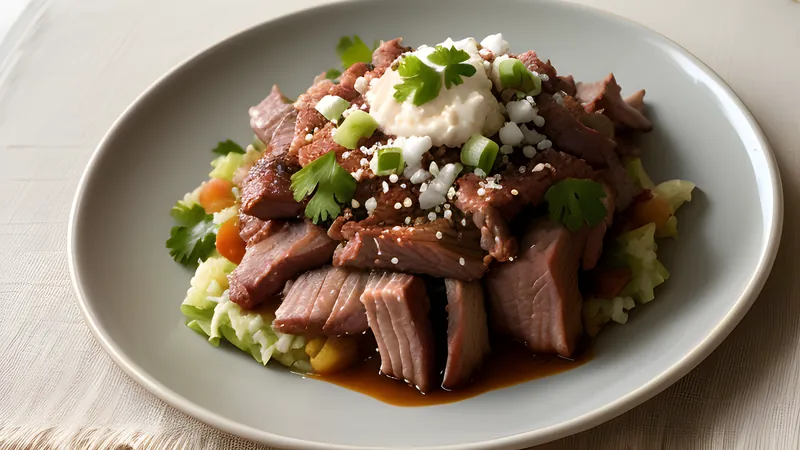
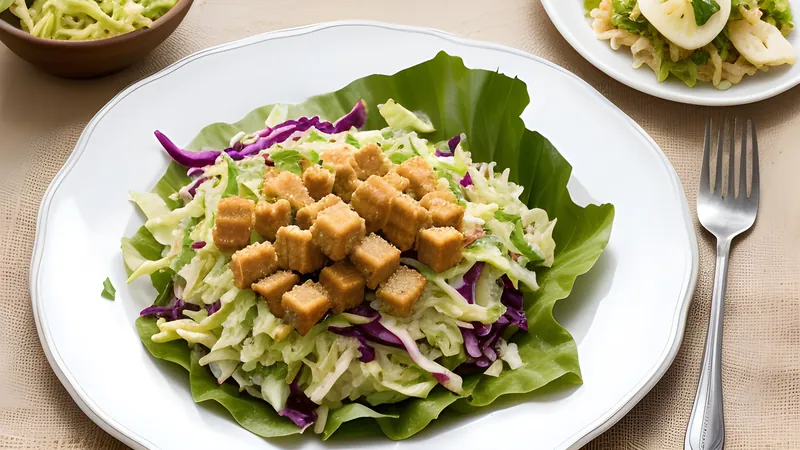
- Line plates or banana leaves with the yuca, pile the pork crackling alongside, and top generously with the curtido, spooning over some of its vinegary liquid. Serve immediately while the pork is still hot and shattering-crisp.
The vendor behind the name
The most repeated version of the story credits a Granada street vendor nicknamed “El Vigorón,” who sold boiled cassava with fried pork rind to workers near the old market and the shore of Lake Cocibolca sometime in the 1910s or 1920s, building a reputation strong enough that customers started asking for “the vigorón” by name rather than describing the dish itself. Whether that vendor was a specific person history remembers accurately or a composite of several market sellers doing the same trade is genuinely disputed, and Nicaraguan food writers argue about it the way any oral food history gets argued about once nobody thought to write it down at the time. What’s not disputed is that the dish belongs to Granada specifically, a colonial city on the lake that has spent a century treating vigorón as a point of civic identity the way New Orleans treats a po’boy.
Banana leaves are part of that identity, not decoration. Vendors traditionally served vigorón on a square of leaf rather than a plate, both because it was cheap and disposable for market trade and because the leaf itself imparts a faint vegetal sweetness to the yuca sitting against it, especially once the leaf has been passed briefly over a flame to soften and release its oils. If you can get banana leaves, wilt a piece over a gas flame or in a dry pan for a few seconds a side before plating; if you can’t, a plate loses you the aroma but nothing about the flavour balance changes.
Three textures, one plate
Vigorón works because it stacks three things that would each be one-note alone into something that isn’t. Yuca boiled until tender is starchy and mild, almost bland, and that’s exactly its job: it’s the base the other two components lean on. Chicharrón, the crackling, is all fat, crunch and salt. The curtido, a raw cabbage salad sharpened hard with vinegar and sour orange, cuts straight through both, and a vigorón missing any one of the three stops being vigorón and becomes just fried pork and cassava.
The annatto oil brushed over the finished yuca is my addition to the classic build, and a small one. Plain boiled yuca can look and taste a little grey next to the deep gold of the crackling and the bright pink-white curtido; a spoonful of warm achiote oil tossed through gives it colour and a faint earthy, slightly peppery flavour that plays well against the vinegar without competing with the pork. It’s the kind of touch a Granada vendor selling hundreds of plates a day would never bother with, and a home cook making four servings absolutely can.
Getting the crackling right
Good chicharrón for vigorón is rendered slowly rather than deep-fried hot and fast, and that distinction matters more than any other step in this recipe. Starting the pork skin-side down in a dry pot over medium-low heat lets the fat render out gradually into the pot, basting the meat in its own fat as it cooks, and gives the collagen in the skin time to convert fully before it ever needs to crisp. Rush this with high heat and you get pork that’s browned outside and chewy, under-rendered fat inside; the fix is patience, not more heat. You’ll know it’s ready when the fat has mostly rendered into the pot, the meat has turned a deep, even brown throughout rather than pale in the middle, and the skin, once lifted out and rested a few minutes, shatters rather than bends.
Scoring the skin before it goes in the pot is what lets the fat escape efficiently and gives the finished crackling its characteristic ridged crunch; skip this step and the skin puffs unevenly, staying leathery in patches. Salt the skin well before cooking too, since salt drawn out during the long render carries into the fat and seasons the meat from the outside in, the same logic that makes a well-salted roast chicken skin taste better than the meat beneath a bland one.
The curtido is not a garnish
Treat the cabbage salad as a genuine component rather than a scattering on top. It needs real maceration time, at least half an hour, for the vinegar and sour orange juice to soften the raw cabbage’s bite and for the salt to draw out enough liquid that the salad becomes a slightly wilted, juicy tangle rather than a dry pile of shredded leaves. Sour orange, the bitter, thin-skinned citrus used across the Caribbean basin and Central America, gives a rounder acidity than vinegar alone; if you can’t find it, a mix of regular orange juice for sweetness and lime for sharpness gets close enough that no one at the table will flag the substitution.
Adjust the habanero to the room you’re feeding. A whole sliced habanero, seeds in, makes a genuinely hot curtido that most Nicaraguan vendors would consider entirely normal; deseeding it or dropping to half a chile gives you the fruity chile aroma with a fraction of the heat, which is the version I’d actually recommend for a first attempt at the dish.
Serving, leftovers and what to build around it
Vigorón is meant to be eaten hot, the pork still crackling and the curtido still cold and sharp against it, so assemble it to order rather than ahead of time; the curtido will keep in the fridge for up to three days on its own, getting more pickled and slightly softer as it sits, but once it’s spooned over hot yuca and pork it should be eaten within the hour before the textures start to blur into each other. Leftover chicharrón reheats reasonably well in a dry pan or a hot oven, though it never quite recovers the shatter of the first serving; leftover yuca is best repurposed rather than reheated cold, mashed with a little of the annatto oil and fried into small cakes for the next day’s breakfast.
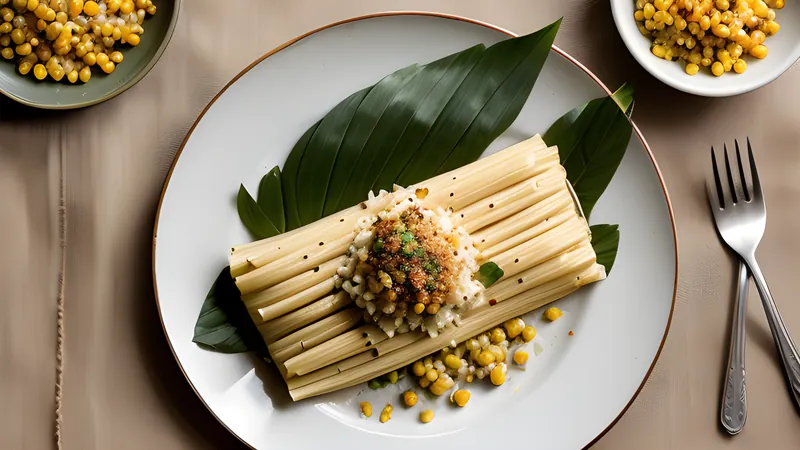
If you’re building a wider Nicaraguan spread, vigorón sits comfortably alongside gallo pinto, the rice and beans that shows up on most Nicaraguan tables at breakfast, and nacatamal, the banana-leaf-wrapped corn parcel that shares vigorón’s habit of turning a leaf into a serving plate. Both make the case that Nicaraguan cooking, for all the attention Mexico and Peru get regionally, has its own distinct, confident logic worth cooking through properly.
A dish that grew up on a lakeshore
Granada sits on the edge of Lake Cocibolca, the largest lake in Central America, and the city’s colonial-era wealth came from trade that moved through its port to the Caribbean via the San Juan River. That trade needed porters, muleteers and dockhands, and the market that grew up to feed them became the natural home for a dish built around cheap, calorie-dense ingredients that didn’t require a table or cutlery. Yuca was already a staple crop across the region long before Spanish contact, cassava plantations having fed communities around the lake for centuries, and pork arrived with colonial livestock and settled quickly into the local diet. Vigorón is what happened when those two ingredient histories met a specific, local labour economy: a plate designed to be eaten fast, standing up, with your hands, between one job and the next.
That market-stall origin is still visible in how the dish is sold today. Granada’s Parque Central and the streets around it are lined with women, and it is overwhelmingly women who sell vigorón, cooking chicharrón in large pots over wood or gas fires from early morning and keeping the yuca and curtido prepared in advance, ready to assemble a plate within a minute of an order. Sunday afternoons see the biggest crowds, when extended families walk to the park after church specifically for vigorón rather than any other lunch option, treating the dish the way another city might treat a favourite bakery’s weekend pastry.
Variations worth knowing
Some vendors serve a version called vigorón con todo, loaded with an extra scoop of rice and a fried plantain tucked alongside the standard three components, aimed at customers who want a fuller meal rather than a snack. Others swap in chicharrón made from pork ribs rather than belly, giving a leaner, meatier crackling with less rendered fat pooling on the plate, a fair trade if you find belly too rich for a hot afternoon. A handful of coastal versions substitute fried fish for the pork entirely, keeping the yuca and curtido as written; it’s a legitimate variation but different enough in character that most Granada cooks would tell you it’s a different dish wearing the same name.
If you’re scaling this up for a crowd, the components separate cleanly: boil a large batch of yuca and hold it warm, render chicharrón in batches so each one gets the full slow cook rather than crowding the pot, and make the curtido a couple of hours ahead so it has time to properly macerate. Assemble plates only at the point of serving; nothing about vigorón survives being plated and left to sit.
Notes on the yuca
Fresh yuca varies enormously in fibrousness and cooking time depending on age and variety, so start checking with a knife at the 20-minute mark rather than trusting a fixed timer. The tough central fibre running down each piece is inedible and needs pulling out by hand once the yuca is cool enough to touch; skip this and you’ll bite down on a woody thread partway through the meal. Frozen yuca, sold peeled and cut in most Latin American grocers, is a genuinely good substitute and often cooks slightly faster than fresh since it’s already been through one freeze-thaw cycle that breaks down some of the fibre. Whichever you use, don’t let it sit too long once drained; yuca firms up and turns gluey as it cools past warm, so time the boil to finish close to when the pork and curtido are ready rather than well ahead of them.
Related Content