Undhiyu: Gujarati Winter Vegetable Pot
A dozen vegetables, one green masala, cooked upside down
Contents
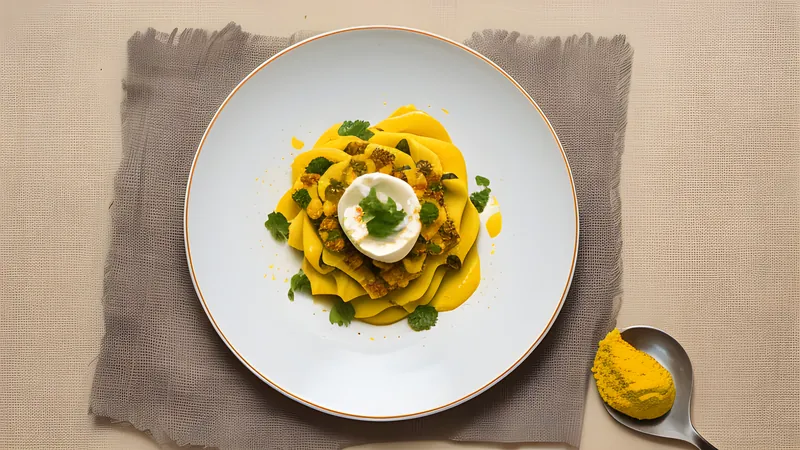
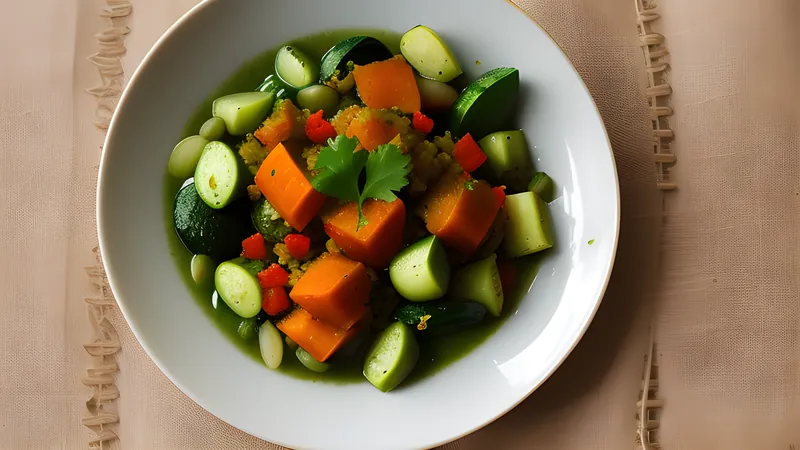
↓ Jump to recipeUndhiyu is Gujarat’s answer to the question of what to do with an entire winter’s worth of vegetables in one pot: purple yam, sweet potato, baby potatoes, raw banana, whole baby aubergines and papdi beans, all coated in a green masala of coriander, coconut, garlic and green chilli, finished with fried fenugreek dumplings called muthiya. It’s a genuinely substantial dish, closer to a feast than a side, traditionally made in enormous batches for the Uttarayan kite-flying festival in January.
The name gives away the traditional method: undhu means upside down in Gujarati, and the original version is cooked in an earthenware pot buried mouth-down over embers, so the vegetables cook in their own steam and the fat from the top rather than boiling in liquid from below. The stovetop version here gets close to the same effect with a heavy, tightly lidded pot and a low heat, shaking rather than stirring so the layers stay intact.
Undhiyu: Gujarati Winter Vegetable Pot
Ingredients
- 200g purple yam (ratalu), peeled and cut into chunks
- 200g sweet potato, peeled and cut into chunks
- 8 baby potatoes, halved
- 1 raw banana, peeled and cut into chunks
- 2 small aubergines, quartered lengthways and left attached at the stem
- 150g surti papdi beans or broad beans, trimmed
- 100g besan (gram flour)
- 2 tbsp semolina
- 2 tbsp chopped fresh fenugreek leaves
- 0.5 tsp baking soda
- 4 tbsp vegetable oil, divided, plus extra for deep-frying
- 80g fresh coriander, roughly chopped
- 40g desiccated coconut
- 3 tbsp sesame seeds, toasted
- 6 green chillies
- 6 garlic cloves
- 1 tbsp grated fresh ginger
- 2 tsp ground coriander
- 1 tsp ground cumin
- 0.5 tsp ground turmeric
- 1 tbsp sugar
- 1 tsp ajwain (carom seeds), divided
- 1 tsp mustard seeds
- Juice of 1 lemon
- Salt, to taste
Method
- Blitz the coriander, coconut, half the sesame seeds, green chillies, garlic and ginger with a splash of water into a coarse green masala, and set aside.
- Make the muthiya dough by mixing the besan, semolina, fenugreek leaves, baking soda, 0.5 tsp ajwain, 1 tbsp oil and a third of the green masala with just enough water to bring it together, then shape into small cylinders.
- Deep-fry the muthiya in batches at 170C for 3-4 minutes until golden, then drain and set aside.
- Score the aubergines from the base almost to the stem in a cross, keeping them intact, and stuff each with a spoonful of the remaining green masala mixed with the ground coriander, cumin and turmeric.
- Heat the remaining 3 tbsp oil in a heavy, wide pot, add the mustard seeds and remaining ajwain, and let them pop for 30 seconds.
- Layer in the purple yam, sweet potato and baby potatoes first, then the papdi beans and raw banana, then nestle the stuffed aubergines on top.
- Spoon over any remaining green masala, the sugar and a good pinch of salt, cover tightly and cook on low heat for 30-35 minutes, shaking the pot occasionally rather than stirring, until the vegetables are tender.
- Add the fried muthiya for the final 10 minutes so they soak up the sauce without going soggy.
- Stir through the lemon juice and remaining sesame seeds, taste for salt, and serve hot.
The story: a festival dish, and an underground pot
Undhiyu’s traditional cooking method is the whole story of the dish. In villages around Surat, particularly, cooks would fill an earthenware pot with layered vegetables and green masala, seal the mouth with cloth or a lid, and bury it upside down in a pit dug into the ground, with a wood fire built over the buried base. The vegetables cooked slowly in trapped steam for hours, and the pot was dug up and turned right-side up to serve — hence undhu, upside down, describing both the pot’s position and the cooking method itself. That practice survives in some rural areas and at large community gatherings, though most households, in Gujarat and especially abroad, use a heavy pot on the stove, which is what this recipe assumes.
The dish is tied closely to Uttarayan, the January kite-flying festival marking the sun’s shift into Capricorn, celebrated with particular intensity in Ahmedabad and Surat. Undhiyu made in huge batches, alongside jalebi, is the traditional food of the festival, timed to coincide with the exact point in winter when purple yam, fresh papdi beans and the other vegetables it calls for are all genuinely in season together — this is not a dish built around ingredients available year-round, and a version made with everything frozen or out of season loses much of what makes the original worth the effort.
A Jain version of undhiyu exists that omits every root vegetable — no yam, no sweet potato, no potato — along with garlic, since Jain dietary practice avoids vegetables grown underground and alliums alike. Cabbage, green peas and extra muthiya typically fill the gap left by the missing root vegetables in that version, and the green masala is made without garlic, relying more heavily on ginger and green chilli to carry the same warmth. That version leans more heavily on aubergine, banana, beans and the muthiya dumplings, and is worth knowing about if you’re cooking for a Jain guest, since it’s a genuinely different-tasting dish rather than a minor substitution.
Technique: layering, and why you shake rather than stir
The order vegetables go into the pot matters, because they cook at different rates and the layering is doing the job that stirring would do in a different dish, without breaking anything apart. Purple yam in particular takes noticeably longer to soften than potato despite a similar appearance raw, so cutting it into slightly smaller pieces than the potato chunks helps the whole layer finish cooking at roughly the same time. Purple yam and potatoes go in first, at the base, closest to the heat; the more delicate stuffed aubergines go on top, where the gentler heat and rising steam cook them through without collapsing them. Shaking the covered pot rather than lifting the lid to stir redistributes everything without dismantling the aubergines’ careful stuffing or bruising the beans.
The muthiya dumplings go in late deliberately. Added at the start, they’d turn completely soft and disintegrate into the sauce over thirty-plus minutes of cooking; added in the last ten minutes, after frying, they soak up just enough of the green masala to flavour through while keeping a firmer bite at the centre, which is the texture contrast the finished dish is built around. Frying them properly beforehand, at a genuine 170C rather than a lukewarm oil that leaves them pale and soft, matters as much here as the timing of when they join the pot; a well-fried muthiya has a crisp enough exterior that it holds its shape through the final ten minutes of simmering rather than dissolving into the sauce the way an underfried one would.
If you can’t find purple yam or raw banana, both genuinely obscure outside South Asian grocers, standard sweet potato and extra baby potatoes are a reasonable substitute for the yam, though the dish loses some of its characteristic purple-flecked colour; raw banana is harder to substitute meaningfully, and it’s worth seeking out from an Asian or Caribbean grocer rather than skipping it, since its starchy, faintly tannic bite is one of the more distinctive textures in the pot. A firm, underripe plantain is the closest substitute if raw banana genuinely can’t be found, since both are cooked while entirely green and starchy rather than sweet, though plantain holds its shape slightly better under the same cooking time and may need a few minutes less in the pot.
What to serve it with
Undhiyu is filling enough to be the entire main course, served simply with rotli or ghee-layered paratha and a side of yoghurt to cool the chilli. For a full Gujarati spread, it sits well alongside lighter snacks like khaman dhokla or khandvi as a starter, with methi thepla alongside for anyone who wants bread with the meal instead of rotli.
Storage, make-ahead and variations
Undhiyu keeps for three days in the fridge and, unusually for a dish with fried dumplings in it, reheats well, since the muthiya have already had a day to soak up sauce and firm back up slightly on reheating rather than turning soggier. It freezes reasonably, though the aubergine texture softens further on thawing, so it’s better suited to the fridge than the freezer if you plan to eat it within the week.
Preparing the vegetables the night before is standard practice in households that make undhiyu regularly, since the ingredient list is long enough that doing all the peeling, cutting and stuffing on the day itself turns a Sunday dish into an entire afternoon’s work. The green masala also keeps well covered in the fridge for a day or two, and actually deepens in flavour as the garlic and ginger have longer to mellow into the coriander and coconut, so making a double batch to use across two separate cooking sessions is a genuinely practical way to manage the workload.
If surti papdi beans aren’t available, broad beans or even green beans cut into short lengths are an acceptable stand-in, though the flavour is milder than the real thing. Surti papdi themselves, a flat, slightly sweet variety of hyacinth bean specific to the region around Surat, are one of the more genuinely irreplaceable ingredients in this dish, since their particular texture, tender but with real bite, is part of what the dish is built around; broad beans get you close, but a Gujarati grocer’s freezer aisle, which often stocks frozen surti papdi imported specifically for this and similar dishes, is worth checking before settling for a substitute. A tablespoon of jaggery in place of the sugar gives a deeper, more rounded sweetness that some households prefer. Whatever you do, keep the green masala genuinely coarse rather than blitzing it smooth; the texture of small flecks of coconut and coriander clinging to each vegetable is as much a part of undhiyu as the vegetables themselves.
Related Content