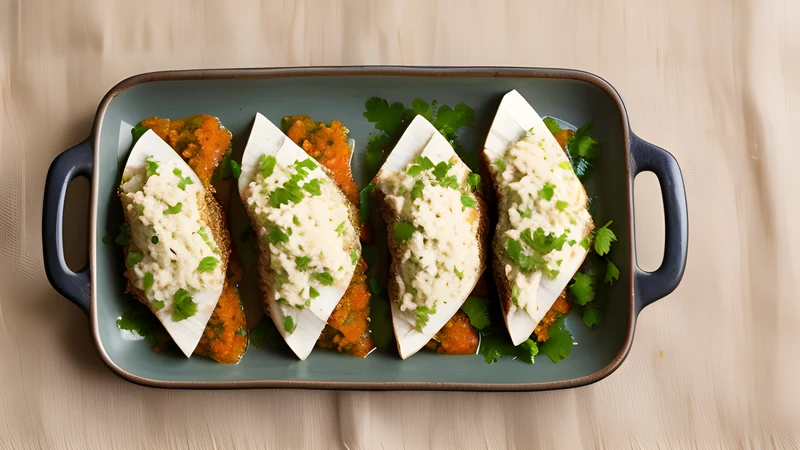
Txangurro a la Donostiarra: San Sebastián's Stuffed Spider Crab
Brandy, sofrito, and brown-butter crumbs over the shell
Contents
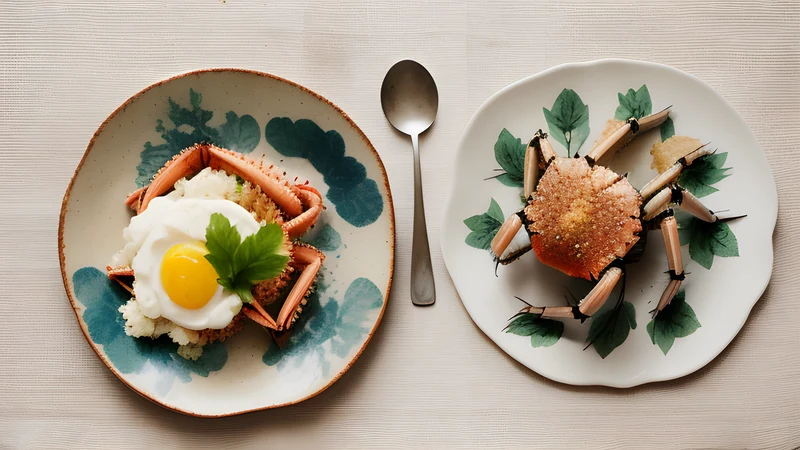
↓ Jump to recipeTxangurro is Basque for spider crab, and a la donostiarra means “in the style of San Sebastián”. The dish is picked crab meat cooked into a long, slow sofrito with brandy and returned to the crab’s own shell under a lid of breadcrumbs. It is about a hundred years old, it has an author, and it is one of the very few restaurant inventions that a whole region adopted as folk cooking.
It is also a dish that lives or dies on one decision: whether you keep the brown meat. Most British recipes tell you to use white crab meat, which is expensive, pretty and comparatively bland. Every Basque cook I have watched scrapes the shell out completely and puts all of it in, coral included, and that dark, rusty, faintly bitter paste is what makes the difference between crab and txangurro.
Txangurro a la Donostiarra: San Sebastián's Stuffed Spider Crab
Ingredients
- 2 live spider crabs (centollo), about 1kg each — or 1 large brown crab, about 1.5kg
- 3 tbsp fine salt, for the cooking water
- 1 large onion, very finely chopped
- 1 leek, white part only, very finely chopped
- 3 garlic cloves, finely chopped
- 1 ripe tomato, grated on the coarse side of a box grater, skin discarded
- 2 tbsp tomato purée
- 4 tbsp Spanish extra virgin olive oil
- 60ml brandy (Spanish, such as Soberano)
- 100ml dry white wine
- 1 dried guindilla chilli, or a pinch of chilli flakes
- ½ tsp sweet smoked paprika
- 1 tsp flaky sea salt, plus more to taste
- 40g unsalted butter
- 50g coarse fresh white breadcrumbs, from day-old bread
- 1 tbsp chopped flat-leaf parsley
Method
- Put the live crabs in the freezer for 45 minutes to render them insensible before cooking. This is the humane step, and it matters.
- Bring a large pot of water to a rolling boil with 3 tbsp of salt — it should taste of the sea. Lower the crabs in, return to the boil, and cook for 16 minutes for a 1kg crab, or 20 minutes for a 1.5kg brown crab.
- Lift the crabs out and leave them to cool for 30 minutes until you can handle them.
- Pull the top shell away from the body. Scoop out all the brown meat and the coral from inside the shell into a bowl — this is the flavour and you want every scrap. Discard the feathery grey gills (dead man's fingers) and the small stomach sac behind the eyes.
- Crack the legs and claws with the back of a heavy knife and pick out the white meat. Pick over the body cavity too. You should have roughly 300g of meat in total. Keep the brown and white meat in one bowl and check it carefully for shell.
- Scrub the two top shells clean under hot water and dry them. Set aside.
- Heat 4 tbsp olive oil in a wide pan over a medium-low heat. Add the onion, leek and 1 tsp flaky salt and cook very gently for 20 minutes, stirring often, until completely soft with no colour.
- Add the garlic and the guindilla and cook for 3 minutes. Add the grated tomato and the tomato purée and cook for 10 minutes, until the mixture darkens to rust and the oil separates at the edges.
- Pull the pan off the heat and stir in the smoked paprika. Return to a medium heat, pour in the brandy, and let it bubble hard for 90 seconds. Add the white wine and reduce for 4 minutes until the pan is nearly dry.
- Turn the heat to low. Stir in all the crab meat and the coral and cook for 4 minutes, until just heated through. Taste and season. Stir in the parsley. Remove the guindilla.
- Melt the butter in a small pan over a medium heat. Let it foam, then keep going for 3–4 minutes until the milk solids at the bottom turn nut-brown and it smells of toasted hazelnuts. Pour it over the breadcrumbs in a bowl and toss.
- Divide the crab mixture between the two shells, mounding it. Scatter the brown-butter crumbs over the top.
- Bake at 200°C (fan 180°C) for 12 minutes, then grill for 90 seconds until the crumbs are deep gold. Serve hot, one shell between two.
Félix Ibarguren, and a crab from Brittany
The attribution is unusually firm. Félix Ibarguren — known as Shishito, a cooking teacher in San Sebastián in the early twentieth century — is generally credited with adapting a French preparation, the Breton araignée de mer farcie, to Basque ingredients some time around 1900 to 1915. He swapped the French base for a Basque sofrito, added brandy, and put it back in the shell.
The timing was right. San Sebastián was then the summer capital of Spain: the royal court decamped there, French influence flowed over the border thirty kilometres away, and the city’s restaurants were doing exactly this kind of translation work. The dish escaped into the sociedades gastronómicas — the all-male cooking clubs that are still the strange, closed heart of Basque food culture — and from there into home kitchens, where it became Christmas food.
That is where it sits today. Txangurro is a Christmas Eve dish across the Basque Country and Cantabria, which is a problem, because centollo is at its best in the cold months and the entire region wants it in the same fortnight. Prices in December are absurd.
The crab itself, Maja squinado, is a European spider crab: long spindly legs, a spiky rounded body, comparatively little meat for its size. It is a superb animal and a maddening one to pick. In Britain we catch a great many of them and export nearly all of them to Spain and France, which is one of the more embarrassing facts in British seafood.
Cooking and picking: the unglamorous hour
Buy the crab alive and heavy for its size — a light crab has recently moulted and is half water. Press the shell; it should be hard. Spider crabs sold live will wave their legs about slowly, and a completely inert one goes back on the counter.
Chill it in the freezer for 45 minutes before cooking. A crustacean’s nervous system slows and shuts down as its body temperature drops, and a crab at near-freezing is insensible before it goes into the water. Dropping a fully alert crab into boiling water is both cruel and, incidentally, bad cooking — it thrashes and sheds its legs. If you would rather not do this part at all, ask the fishmonger to cook the crab for you and pick it the same day.
The water should taste of the sea: three tablespoons of salt in a large pot, at a rolling boil. Sixteen minutes for a 1kg spider crab, twenty for a 1.5kg brown crab. The old rule of a fixed time per kilo overshoots badly on big crabs; err short, because you are going to warm the meat again in the sofrito.
Then cool it for half an hour and settle in. Picking a spider crab is fiddly work and takes about forty minutes for two, and there is no shortcut. Pull the top shell off by levering with your thumbs at the back. Everything soft and brown inside that shell goes into the bowl. Snap the feathery grey gills off the body and throw them out — they are inedible, faintly bitter, and the source of most complaints about “off” crab. The stomach sac sits just behind the eyes; lift it out whole and try not to burst it.
Break the body in half and pick the white meat out of the chambers with a skewer or the handle of a teaspoon. Crack the legs and claws with the back of a heavy knife rather than a hammer — a hammer shatters shell into the meat and you will spend the rest of the evening finding it. Spider crab legs are long, thin and full, and they hold most of the white meat, which is the reverse of a brown crab.
Then check the picked meat over a second time, spread thin on a pale plate under a bright light. One fragment of shell in a mouthful of txangurro ruins forty minutes of work, and it is always found by the guest you most wanted to impress.
The brown meat argument
A crab gives you two kinds of meat. White meat comes from the legs, claws and body — it is sweet, mild, fibrous and photogenic. Brown meat is the hepatopancreas, sitting in the top shell, and it is soft, dark, intensely savoury and rich in fat.
Almost everything you actually taste when you taste crab is the brown meat. It is where the glutamates and the nucleotides are, and it is the reason a dressed crab tastes like the sea and a tub of white meat tastes like faintly sweet fibre. It also carries the fat that makes the sofrito bind, so txangurro made with white meat alone comes out dry and separates in the shell.
Use everything. Scrape the top shell out with a teaspoon, including the coral if there is any — the orange roe of a hen crab, which sets to a firm, deeply flavoured curd and is worth seeking out. The only things that come out are the grey feathery gills and the small gritty stomach sac behind the eyes. Everything else goes in.
If spider crab is beyond reach, one large British brown crab is a straight substitute and arguably has more brown meat to give. Buy it live and cook it yourself; ready-dressed crab from a supermarket has usually had the brown meat cut with breadcrumbs already, and you will be seasoning someone else’s mixture. A 1.5kg brown crab yields around 300g of picked meat and takes about 40 minutes to work through.
The sofrito wants a full twenty minutes
Onion and leek, chopped as finely as you can be bothered to chop them, in olive oil, over a low flame, for a full twenty minutes with a pinch of salt. No colour at all.
Twenty minutes is the number and it is the one thing people cut. The point is to break the vegetables down until they stop reading as vegetables and become a soft, sweet, almost jammy base that disappears into the crab. Eight minutes gives you crunchy onion in a crab mixture, which is a different and much worse dish. The onion should be so soft it collapses under the back of a spoon.
The tomato then cooks down for ten minutes until it darkens to rust and the oil separates and pools at the edges of the pan — the same signal that governs the base of a marmitako or any other Spanish sofrito. Paprika goes in off the heat, always, because it scorches at around 130°C and turns acrid.
Then the brandy. Let it bubble hard for ninety seconds; Basque cooks flame it, which looks tremendous and does very little that ninety seconds of hard boiling does not. The wine follows and reduces almost to dryness. You want a pan that is nearly dry before the crab goes anywhere near it, because crab meat carries its own moisture and a wet sofrito gives you crab soup in a shell.
The crab itself gets four minutes, on a low heat, stirred gently. It is already cooked. All you are doing is warming it and letting it take on the sofrito, and anything longer squeezes the moisture out of the white meat and turns those beautiful long fibres to floss.
Brown butter in the crumbs
The classic finish is plain breadcrumbs, sometimes with a knob of butter dotted on top. Mine are tossed in butter cooked to beurre noisette first — foamed, then held until the milk solids at the bottom of the pan go nut-brown and the whole thing smells of toasted hazelnuts.
The reason is that this dish has no acid and no bitterness in it beyond the faint edge of the brown meat, and it needs a savoury note above the sweetness of crab and slow onion. Browned butter delivers exactly that: the Maillard reaction on the milk proteins produces the same nutty, roasted compounds that make brown butter work against financiers and against almost any sweet, fatty thing. Against crab it is startling.
Three to four minutes over a medium heat, watching the colour under the foam, and pour it over the crumbs the second it smells of hazelnuts — brown butter goes to black butter and then to bitter in under a minute. Use coarse crumbs from day-old bread torn by hand; fine dry crumbs from a packet turn to sand.
Fixing it, and getting ahead
Watery, loose filling. The wine did not reduce far enough, or the crab cooked too long. Simmer the mixture for two minutes more before it goes into the shell.
Dry, stringy filling. Not enough brown meat, or too long over the heat. There is no fixing it in the pan; add a tablespoon of olive oil and know for next time.
Bitter aftertaste. The gills went in, or the paprika scorched, or the butter went past nut-brown.
Sandy grit. The stomach sac burst. Pick over the meat under a good light.
The filled shells keep in the fridge for 24 hours before baking, uncrumbed, which makes this a genuinely good dinner-party dish — do the picking the day before, when you have the patience for it, and crumb and bake to order. Freeze the picked, cooked mixture for a month.
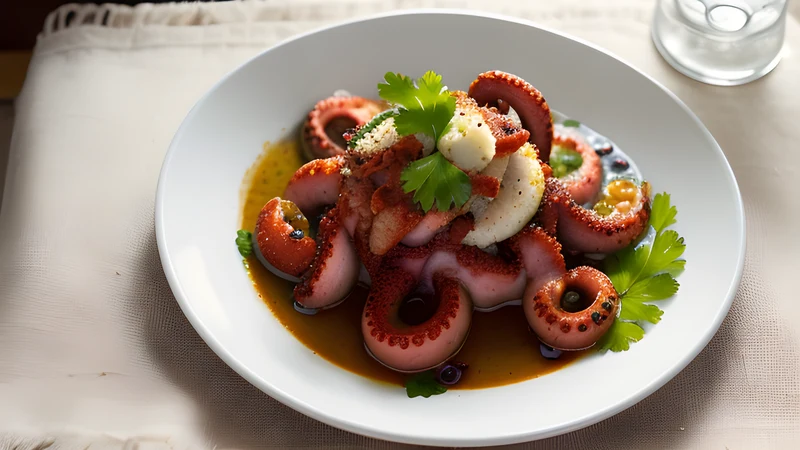
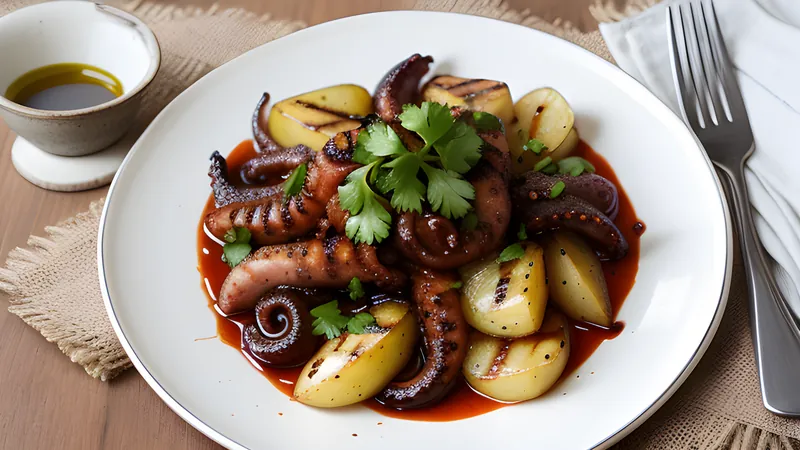
Serve one shell between two people with bread and a cold Txakoli. Follow it with something plain — grilled octopus or fish off a griddle — because txangurro is rich enough that anything competing with it loses.
Related Content