Tlayudas: The Oaxacan Pizza
A metre-wide tortilla, asiento, beans and a smear of quesillo
Contents
↓ Jump to recipeThe first time someone hands you a tlayuda in Oaxaca, the size is the joke and the point. It is a tortilla the width of a bin lid, toasted until it cracks like a poppadom, folded around beans and cheese and charred meat and eaten with both hands over a paper plate at midnight. People call it the Oaxacan pizza, which is lazy shorthand but gets one thing right: it is the food you queue for after dark, cheap and enormous and built for sharing, from a stall lit by a single bulb over a bed of coals.
Tlayudas: The Oaxacan Pizza
Ingredients
- 4 large flour or corn tortillas, 25–30cm across (or masa for homemade)
- 400g cooked black beans, with a little of their liquor
- 4 tbsp asiento (unrefined pork lard) or good lard
- 1 small onion, finely chopped
- 2 garlic cloves, crushed
- 1 avocado leaf or 1 tsp dried oregano
- 250g quesillo (Oaxaca string cheese) or low-moisture mozzarella, pulled into strands
- 200g cabbage, very finely shredded
- 300g cecina, tasajo or thin steak, or chorizo
- 2 avocados, sliced
- 150g salsa (roasted tomato or salsa macha)
- 1 lime, cut into wedges
- 1 tsp fine sea salt
Method
- Warm 2 tbsp asiento in a pan, soften the onion and garlic, tip in the black beans with a splash of their liquor and the avocado leaf or oregano, and fry, mashing, to a thick spreadable paste. Season and cool slightly.
- Season the meat with salt and grill or fry over high heat until charred at the edges; slice into strips. Cook chorizo separately if using.
- Heat a large dry comal or heavy frying pan over medium heat. Warm a tortilla until pliable, then brush the underside with a little asiento.
- Spread a thin layer of warm bean paste over the tortilla, right to the edge, then scatter the pulled quesillo over the top.
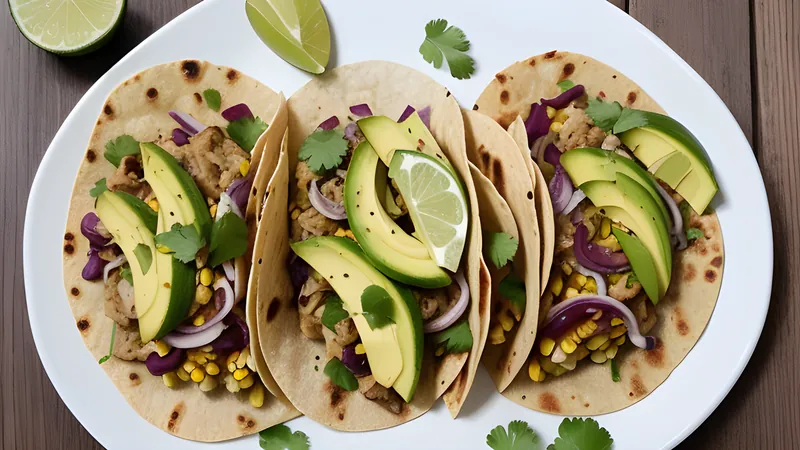
- Pile on shredded cabbage, sliced meat and avocado over one half.
- Fold the tortilla over into a half-moon, or leave it open, and press it onto the hot comal until the base is crisp and blistered and the cheese has melted, 3–4 minutes a side.
- Cut into wedges, spoon over salsa, and serve at once with lime.
What a tlayuda actually is
The base is a tlayuda, sometimes spelled clayuda, a large tortilla made from nixtamalised corn and toasted twice so it dries out and keeps. In the markets of Oaxaca you can buy stacks of them, pale and leathery, sold by the kilo, and they last for weeks because most of the moisture has been driven off. That double-toasting is why a real tlayuda has a snap to it rather than the soft chew of a fresh tortilla, and why it can carry heavy toppings over fire without collapsing.
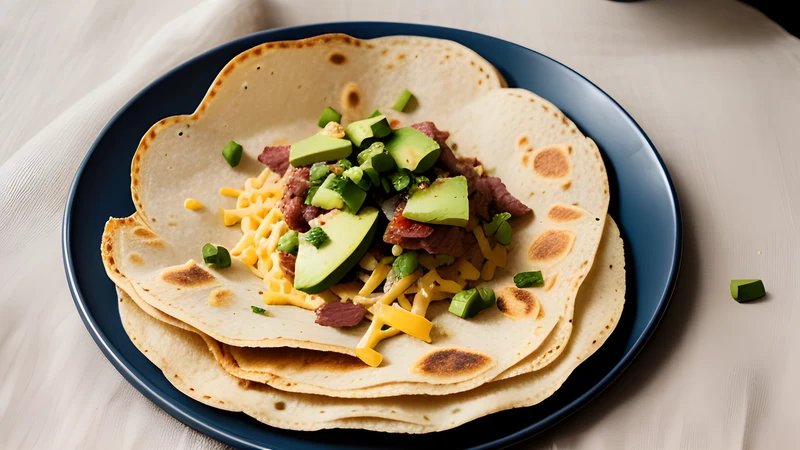
On top go a set of things that rarely change. First, a smear of asiento, the unrefined bottom-of-the-pot lard left over from rendering pork, brown and intensely porky. Then a layer of black bean paste, the frijoles refritos of the region, mashed with avocado leaf. Then quesillo, Oaxaca’s own string cheese, pulled into strands so it melts into ropes. Cabbage for crunch, avocado for fat, and a protein that in Oaxaca means tasajo (thin salted beef), cecina (chilli-rubbed pork) or chorizo. A slick of salsa, a squeeze of lime, and that is the whole architecture.
There is a long-running argument about whether a proper tlayuda is folded shut over the coals like a giant taco, or left open like a tostada. Both are traditional. Folded, it steams the inside and crisps the outside, and travels well in the hand. Open, everything stays visible and the base gets fully crisp. At home, with a domestic pan, folded is easier to manage, so that is the default here.
Asiento, and why it matters
If there is one ingredient that separates a tlayuda from a large quesadilla, it is asiento. This is the dark, gritty lard that settles at the bottom of the cazo when carnitas or chicharrón are being rendered, full of tiny browned pork solids. It tastes of everything that was cooked in that fat, and brushed onto a tortilla before the beans go on, it perfumes the whole thing. Outside Mexico it is nearly impossible to buy, so use the best lard you can find, ideally one with some rendered pork character, and accept that you are making a very good approximation. Do not substitute a neutral oil here; the fat is itself a flavour, one of the defining ones in the whole dish.
The beans matter almost as much. Oaxacan cooks use small black beans, cooked with avocado leaf, then fried down in lard with onion and garlic into a paste stiff enough to spread but loose enough not to crack the tortilla. Tinned black beans work at a pinch, drained and fried hard, but beans you have cooked yourself from dried, with a bay leaf and an onion, will always taste rounder. Avocado leaf gives a faint aniseed note that is very Oaxacan; if you cannot find it, a little dried oregano stands in without pretending to be identical.
Cooking it at home
The genuine problem is size. A traditional tlayuda is 30 to 40 centimetres across, cooked on a huge clay comal over wood or charcoal. Your hob and pan are smaller, so scale down. Use the largest tortillas you can buy, 25 to 30 centimetres, or make your own from fresh masa if you have a press and the patience. A wide, heavy frying pan or a flat griddle is the right tool; a ridged grill pan will not toast the whole base evenly.
Get everything ready before you start assembling, because once a tlayuda hits the pan it moves fast. Fry your beans into paste. Char and slice your meat. Pull the cheese, shred the cabbage, slice the avocado, make or open your salsa. Then work one tlayuda at a time. Warm the tortilla until it is pliable, brush the underside with asiento, spread the bean paste to the edge, scatter cheese, then pile cabbage, meat and avocado over one half. Fold it, press it onto the hot pan, and let the base blister and the cheese melt before you turn it. Three or four minutes a side over medium heat is about right; too hot and the outside chars before the inside melts.
The finished tlayuda should be crisp enough to hold its shape when you cut it, with molten cheese, warm beans and just-charred meat inside. Cut into wedges, spoon salsa over the cut faces, and eat immediately, because a tlayuda that sits goes leathery. This is deliberately messy food.
Toppings, faults and swaps
The beauty of a tlayuda is that the base is fixed and the toppings are yours. Keep the asiento, beans, quesillo and cabbage as the constant, and vary the protein: grilled chorizo, thin steak, chilli-rubbed pork, or nothing at all for a vegetarian version that leans harder on avocado and a punchy salsa. A fried egg on top, a modern liberty, is very good. Pickled jalapeños or a spoon of salsa macha cut through the richness beautifully.
The most common fault is a soggy base, which comes from too much wet topping or too gentle a heat. Keep the bean layer thin, drain your meat, and make sure the pan is properly hot so the tortilla toasts rather than steams. The second fault is a base that chars to bitterness before the cheese melts, which means the heat is too high; drop it and give the cheese time. If your quesillo will not string, it may be too cold; let it come to room temperature before you pull it.
Cabbage earns its place as a working ingredient. Its raw crunch and slight bitterness are what stop the whole thing feeling like a slab of fat and starch, so shred it finely and use plenty. A hard squeeze of lime at the table does the same job from the acid side. If you have made a batch of beans, they keep for days and reheat well, so a second round of tlayudas the next evening is barely any work.
Making the tortilla yourself
If you have a tortilla press and a bag of masa harina, you can go closer to the real thing than any shop-bought wrap allows. Mix masa harina with warm water and a pinch of salt to a soft dough that holds together without cracking, roughly 1.2 parts water to 1 part masa by weight, and rest it for twenty minutes so the flour hydrates fully. Press the balls as thin and wide as your press and your patience allow, cook them on a dry comal until they firm up, then toast them a second time over lower heat until they dry and stiffen. That double toasting is the whole trick behind a tlayuda that stays crisp under a heavy load rather than folding into a wet parcel. It takes practice, and your first few will tear, but the flavour of fresh nixtamalised corn is a different food entirely from a flour tortilla. Cook a stack in advance; they keep for a week in a dry tin and only improve for a night at the coalface.
Quesillo and the salsa that finishes it
Quesillo, the string cheese of Oaxaca, is the other component people struggle to source, and it is worth a word. It is made much like mozzarella, the curd stretched and wound into a ball that you unspool into long strands, and it melts into soft ropes rather than a flat sheet. A low-moisture mozzarella is the closest common substitute and melts convincingly; a mild string cheese works too, pulled apart the same way, and a young Cheshire or a mild Lancashire, crumbled rather than pulled, will stand in when nothing stretchier is to hand. Whatever you use, bring it to room temperature and pull it into strands before it goes on, so it melts quickly and evenly under the fold.
The salsa is what pulls the whole tlayuda together, and it should be sharp and smoky rather than merely hot. A roasted tomato or tomatillo salsa, blackened on the comal and blended rough with garlic and chilli, cuts the richness of the asiento and the cheese and brings the acid the dish needs. Spoon it over the cut faces at the table rather than building it in, so it stays fresh and bright against the warm, molten filling, and put the rest in a bowl for people to add as they like.
Where it sits on the Oaxacan table
Tlayudas are street food, the thing eaten standing up late at night, and they belong to the same Oaxacan kitchen as the great festive sauces. If you have spent an afternoon on mole negro, a tlayuda is the opposite pole of the same cuisine: fast, casual, assembled rather than simmered. And if you like the idea of Mexican food built around a crisp tortilla and a scatter of toppings, the tinga de pollo with chipotle and onion piled onto tostadas hits a very similar note with less late-night sprawl.
I make tlayudas when I have leftover cooked beans and a fridge that needs using up, because the format forgives improvisation. Get the base crisp, keep the asiento, be generous with the cabbage and the lime, and you have the closest thing to a Oaxacan coal-fired stall that a home kitchen can manage. It will not be a metre wide. It will still be enormous, in every way that counts.
Related Content