Tinga de Pollo With Chipotle and Onion
The smoky shredded chicken that turns a tostada into supper
Contents
↓ Jump to recipeThere is a particular kind of Mexican cooking that exists to rescue leftovers, and tinga is its patron saint. It began as a way to stretch yesterday’s boiled chicken or pork into something worth sitting down for, and the trick that makes it sing is smoke: chipotle chillies, which are jalapeños that have been ripened red, dried and smoked until they rattle. Puebla claims tinga as its own, and the claim holds up — the dish belongs to the same central-Mexican larder that gave us mole and cemitas, a cuisine built on layering dried chillies rather than fresh heat.
What I love about tinga is that it asks almost nothing of you and gives back a great deal. You poach chicken, you blacken some tomatoes, you soften a mountain of onion, and you let a blender do the clever bit. Forty minutes of loose attention and you have a pan of glossy, smoky, slightly sweet shredded chicken that will sit happily in the fridge for four days and only improve. It is the dish I make when I want to feed people without performing, when the table is loud and nobody wants a plated main.
Tinga de Pollo With Chipotle and Onion
Ingredients
- 6 bone-in, skin-on chicken thighs (about 900g)
- 1 small white onion, halved (for poaching) plus 2 large white onions, thinly sliced
- 3 garlic cloves, unpeeled, plus 2 cloves finely chopped
- 2 bay leaves
- 1 tsp fine salt, plus more to taste
- 500g ripe tomatoes (about 5 medium)
- 3 chipotles in adobo, plus 2 tbsp of the adobo sauce
- 1 tsp dried oregano, preferably Mexican
- 1/4 tsp ground cumin
- 2 tbsp neutral oil or lard
- To serve: 8 tostadas, 150ml crema or soured cream, 1 avocado, 100g crumbled queso fresco, coriander
Method
- Poach the chicken: put the thighs in a pan with the halved onion, unpeeled garlic, bay leaves and 1 tsp salt. Cover with cold water, bring to a gentle simmer and cook 25 minutes until cooked through. Lift out the chicken and keep 250ml of the poaching stock.
- When cool enough to handle, discard skin and bones and shred the meat coarsely with two forks.
- Char the tomatoes under a hot grill or in a dry pan until blackened in patches, about 8 minutes, turning. Blend with the chipotles, adobo, chopped garlic, oregano, cumin and 100ml of the reserved stock until fairly smooth.
- Heat the oil in a wide pan over medium-high. Add the sliced onions and a pinch of salt; cook 8 to 10 minutes until soft and just starting to colour.
- Pour in the blended sauce (stand back, it spits) and cook 5 minutes, stirring, until it darkens and thickens.
- Add the shredded chicken and 100ml more stock. Simmer 8 to 10 minutes until the chicken has drunk most of the sauce and the mixture glistens but is not wet. Taste and adjust salt.
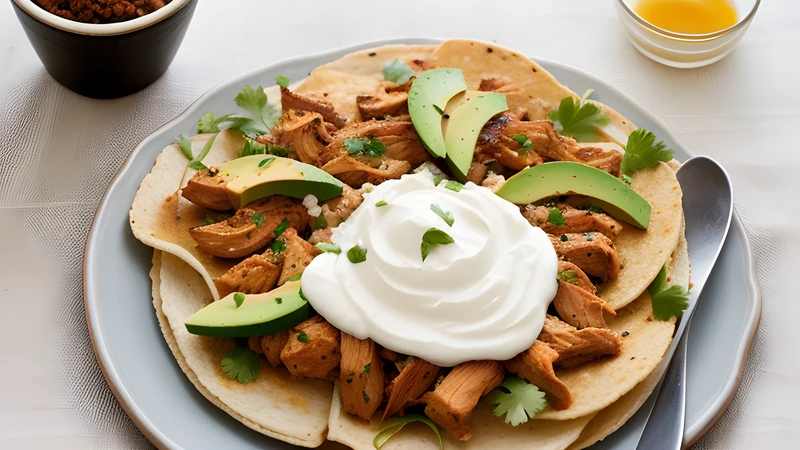
- Pile onto tostadas and finish with crema, sliced avocado, queso fresco and coriander.
Where tinga comes from
The word tinga is generally traced to Puebla, and older cooks there will tell you it once meant something closer to “a mess” or “a jumble” — an apt description of shredded meat in a rust-coloured sauce. The dish is a mestizo one, the product of Spanish pork and the indigenous smoke-and-tomato pantry meeting in colonial kitchens. Pork tinga (tinga poblana) is arguably the original; chicken came later and has quietly taken over, because chicken is cheaper, quicker and forgiving.
The through-line is the chipotle in adobo. Those tins of dark, vinegary chillies are one of the great convenience products of Mexican cooking, and they do most of the heavy lifting here — smoke, heat and a background tang all in one spoonful. Buy a good brand, and once opened, decant the leftovers into a jar; they keep for weeks and improve almost everything, from scrambled eggs to my salsa macha.
Chipotle comes in two main forms, and it is worth knowing the difference. Meco chipotles are the classic tan, leathery, heavily smoked kind; morita chipotles are darker, smaller, fruitier and a little softer. The tinned ones in adobo are usually morita, and they are what most cooks reach for because they blend smoothly and carry that vinegar-and-tomato marinade with them. If you can only find dried chipotles, toast two or three in a dry pan for thirty seconds, soak them in just-boiled water for twenty minutes, and blend them with a teaspoon of cider vinegar to mimic the adobo. It falls just short of the tin, but it is close.
Tinga is nearly always served on a tostada — a tortilla fried or baked until it snaps — because the crisp base is the counterpoint the soft, juicy meat needs. In Puebla you will also find it inside a cemita, the sesame-crowned sandwich, or spooned over rice for a family lunch. It is street food and home food at the same time, which is exactly the register I want most weeknights.
Building the sauce
Everything good about this recipe happens in the sauce, so it is worth understanding the three moves that matter.
Charring the tomatoes is the first. Raw tomato blended into a sauce tastes thin and slightly sour in a way that reads as unfinished. Blister the skins under a grill or in a dry, heavy pan until they slump and blacken in patches, and the flavour deepens into something jammy and faintly caramelised. Do not peel them — the scorched skin is where a lot of the flavour lives. Ripe tomatoes matter here; in the depths of winter I reach for a tin of good whole plum tomatoes instead, drained, and char them briefly in the pan.
Cooking the onions properly is the second. Tinga wants a genuinely generous amount of onion, sliced not chopped, cooked slowly until sweet and slumping. This is half the body of the dish, far more than a background aromatic. Rush it and you get raw, sharp onion in the finished pan. Give it eight to ten minutes over a medium-high heat and it turns soft, golden at the edges and mellow.
Frying the sauce is the third, and the one home cooks most often skip. When you pour the blended tomato-chipotle mixture into the hot pan, it should hiss and spit. Keep it moving for a full five minutes so it darkens from bright red to a deep brick and thickens noticeably. This is the step that concentrates the flavour and cooks out the raw edge of the garlic and chilli. If it looks watery when you add the chicken, you have not fried it long enough.
The method, unhurried
Poach the thighs gently — a hard boil makes chicken stringy and tough. You want the water barely trembling. I always use thighs rather than breast because the extra fat and connective tissue keep the meat succulent through the second cooking in the sauce; breast dries out and shreds into cotton wool. Save the poaching stock, because you will use it to loosen the sauce and it carries all the flavour you just put into the water.
Shred the meat while it is warm but cool enough to handle. Coarse shreds hold their texture; if you go too fine it turns to fluff. Two forks, or clean fingers, and a couple of minutes of pulling apart. Season the shredded meat lightly before it goes into the pan — a pinch of salt at this stage seasons from the inside out and stops the finished dish tasting like sauce sitting on top of bland chicken.
When you combine everything, the aim is a mixture that is moist and glossy but not soupy. The chicken should drink most of the sauce so that each forkful is coated rather than swimming. If you plan to serve it on tostadas, keep it on the drier side — a wet filling turns a crisp tostada soggy in seconds. The mixture is ready when you drag a spoon across the base of the pan and the trail holds for a second before the sauce closes back over it.
How to serve it
The classic build is tostada, a swipe of crema or soured cream, a generous heap of tinga, sliced avocado, crumbled queso fresco and a scatter of coriander. A wedge of lime is welcome. The cool dairy and rich avocado are the point — they temper the smoke and heat so you keep going back. If you can find queso fresco, use it; if not, a mild feta rinsed of some of its salt does the job.
Beyond tostadas, tinga is a genuinely useful thing to have in the fridge. Fold it into warm corn tortillas for tacos, roll it into flour tortillas and griddle for quesadillas, or spoon it over rice with a fried egg. It makes a fine taco spread alongside my rajas con crema and a bowl of esquites for a proper antojitos table. A cold lager or a hibiscus agua fresca is all it needs to drink.
Tips, swaps and make-ahead
Heat control. Three chipotles gives a warm, sociable heat that most people enjoy. For a milder pan, use two and hold back some of the adobo; for a fiercer one, add a fourth chilli and all the sauce. You can always stir more adobo in at the end — you cannot take it out.
Pork version. For proper tinga poblana, swap the chicken for 900g of pork shoulder, poached the same way for about 90 minutes until it shreds easily, or use leftover roast pork. The sauce is identical. Chorizo, cooked and crumbled in with the onions, is a common and excellent addition to either version and pushes the whole pan towards something richer.
Make it ahead. Tinga is better the next day, once the smoke has settled into the meat. Cook it fully, cool, and refrigerate for up to four days. It also freezes well for three months. Reheat gently with a splash of stock or water, because it tightens up in the cold and you will want to loosen it back to that glossy state.
Vegetarian route. Two tins of drained jackfruit, or a mix of shredded king oyster mushrooms and cooked chickpeas, take beautifully to the same sauce. Skip the poaching stock and use vegetable stock to loosen. Jackfruit in particular shreds into strands that read remarkably like poached chicken once they have simmered in the chipotle.
Tinga rewards the small amount of care it asks for — char the tomatoes, cook the onions, fry the sauce — and punishes shortcuts with a thin, sharp result. Get those three things right and you have one of the most useful pans of food in the Mexican repertoire, equally at home on a Tuesday and at the centre of a weekend spread.
Related Content