Tibs: The Sizzling Ethiopian Sauté
The celebration dish that arrives at the table still crackling
Contents
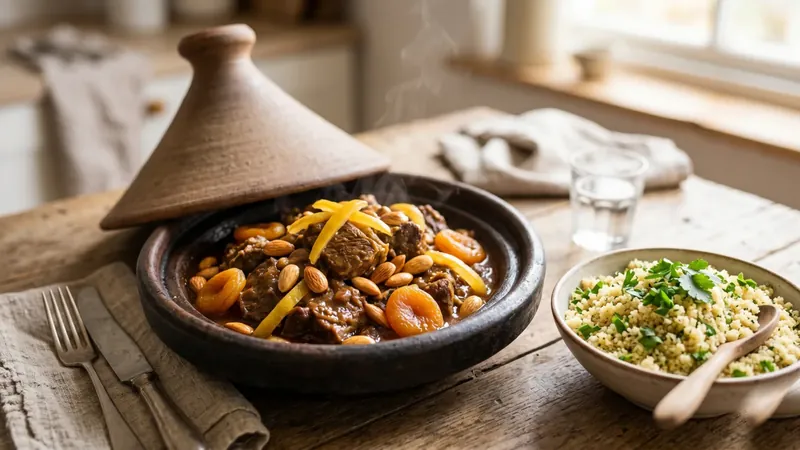
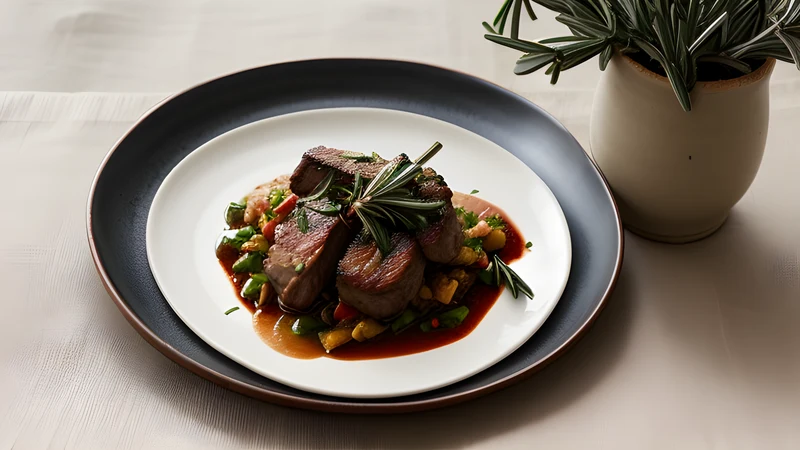
↓ Jump to recipeTibs is the dish that walks into an Ethiopian restaurant on its own little cast-iron dish, propped over a bed of glowing charcoal, spitting and hissing so loudly that half the room turns to look. It is the celebration food, the order that marks a birthday, a saint’s day, a visitor worth honouring, or a Friday when the fast has ended and everyone wants meat. Where shiro is the quiet everyday backbone of the Ethiopian kitchen, tibs is the loud, generous, high-heat celebration at the other end of the same table.
Tibs: The Sizzling Ethiopian Sauté
Ingredients
- 700g boneless lamb leg or shoulder, cut into 2cm cubes
- 3 tbsp niter kibbeh, or 2 tbsp oil plus 1 tbsp butter
- 2 red onions, cut into thick wedges
- 1 red pepper, cut into 2cm pieces
- 4 garlic cloves, sliced
- 3cm fresh ginger, julienned
- 2 fresh green or red chillies, sliced (jalapeño or serrano)
- 1 tbsp berbere spice blend
- 2 sprigs fresh rosemary
- 1 large tomato, cut into wedges
- 1 tsp salt, plus more to taste
- Juice of half a lemon
- Injera or flatbread, to serve
Method
- Pat the lamb cubes very dry with kitchen paper and season with the salt; dry meat is essential for a proper sear.
- Heat a large heavy pan or wok over high heat until almost smoking, add the niter kibbeh, and swirl.
- Sear the lamb in two batches, 3–4 minutes each, turning until deeply browned on most sides; remove to a plate and keep the juices.
- Lower the heat to medium-high, add the onion wedges and red pepper, and cook 4–5 minutes until charred at the edges but still firm.
- Add the garlic, ginger, chillies and rosemary; stir for 1 minute until fragrant.
- Sprinkle in the berbere and cook 30 seconds, then return the lamb and its juices to the pan.
- Add the tomato wedges and toss over high heat for 2–3 minutes until everything is glossy and sizzling and the lamb is cooked to your liking.
- Finish with a squeeze of lemon, check the salt, and serve immediately, still crackling, with injera.
What tibs is, and why it sizzles
Tibs is simply sautéed meat, most often lamb or beef, cut into cubes and cooked fast and hot with onion, chilli, garlic, rosemary and niter kibbeh, the Ethiopian spiced clarified butter. The genius is in the heat and the speed. Tibs is a hard, quick sear that keeps the meat juicy and lets the onions and peppers char at the edges while staying crisp, worlds away from a slow braise. The sizzling clay plate it arrives on is not theatre for tourists, though it looks the part; keeping the dish screaming hot at the table is genuinely part of how it is meant to be eaten, so the last cubes are as good as the first.
There is a whole family of tibs. Awaze tibs leans on a fiery paste of berbere and wine. Zilzil tibs uses long strips of meat rather than cubes. Derek tibs is drier, cooked almost to a crisp with very little sauce, while a wetter version keeps more of the pan juices. What every version shares is the sear, the spiced butter, the rosemary, and the fresh green chilli that Ethiopians love in their meat dishes. The recipe here is a classic middle-of-the-road lamb tibs, glossy and a little saucy, which is the version most people fall for first.
The cultural table it sits on
Meat carries real weight in Ethiopian life because, for observant Orthodox Christians, it is forbidden on the many fasting days of the year. That scarcity turns every meat dish into an occasion. Tibs, quick to cook and dramatic to serve, became the natural centrepiece for the days when meat was allowed and worth celebrating. At a holiday like Ethiopian Christmas or the end of the long Lenten fast, a sheep might be slaughtered and the household would work through the whole animal, and tibs is one of the first and most eagerly awaited things to come off it, cooked fresh in small batches so everyone eats it at its sizzling best.
It is also street and bar food. In Addis Ababa, tibs bét, tibs houses, do little else: you point at the meat, they cut it, sear it in front of you with a fistful of rosemary and green chilli, and slide it onto injera. Rosemary, tikur azmud and green chilli scent the whole street. That immediacy is the point, and it is the one thing you should try to reproduce at home: cook it, then eat it, without a pause in between.
Getting the sear right
The single most important thing in this recipe happens before any heat: dry the meat. Pat the lamb cubes hard with kitchen paper until the surface is genuinely dry, then salt them. Wet meat steams instead of searing, and steamed lamb going grey in a puddle is the difference between tibs and a sad stew. Once the meat is dry, get your pan properly hot, almost smoking, before the fat goes in.
Sear in batches. A crowded pan drops in temperature and the meat sweats; give each batch room so every cube touches metal. Three to four minutes a batch, turning to brown most sides, is plenty. You are building colour and flavour, and the middle will finish cooking when everything comes back together at the end. Pull each batch out to a plate and keep whatever juices collect, because that is concentrated flavour going straight back into the dish.
The niter kibbeh does a lot of work here. If you have made it for kitfo with niter kibbeh or doro wat and injera, use it; the fenugreek, cardamom and korarima in that spiced butter are exactly what perfume the meat. No niter kibbeh means oil plus a knob of butter, and a very respectable tibs, just a slightly plainer one.
The vegetables and the finish
The onions and peppers want the same treatment as the meat: high heat, quick cooking, char at the edges while keeping some bite. Ethiopian onion wedges in tibs should still have structure, so four or five minutes is the ceiling. Then in go the garlic, ginger, sliced chilli and rosemary for a single fragrant minute, followed by the berbere for barely thirty seconds so it blooms in the fat without scorching. Berbere burns fast on high heat and turns bitter, so keep it moving.
Now everything comes together: the lamb and its juices back in, tomato wedges added, and a hard two or three minutes tossing over high heat until the lot is glossy and sizzling. The tomato should just begin to slump without collapsing into sauce. A squeeze of lemon at the end lifts the whole thing, and a final check for salt is worth the ten seconds. Then it goes straight to the table, still crackling.
How to serve it
Tibs lives on injera, the tangy fermented flatbread that serves as plate, cutlery and side all at once. You tear off a piece, pinch up meat and onion, and eat with your hands. If you are making injera yourself, one batch stretches across a whole spread; short of that, any warm soft flatbread works. A cooling side helps too: ayib, the mild Ethiopian fresh cheese, or a dollop of thick yoghurt, tempers the chilli beautifully, and a simple tomato-onion-chilli salad sharp with lime keeps the plate fresh.
For a proper feast, set tibs alongside a stew or two. It plays especially well next to something saucy like zigni, the Eritrean berbere stew, so you get both the dry-seared and the slow-braised sides of the same berbere-and-niter-kibbeh flavour world on one platter.
The tibs family, plate by plate
It helps to know the branches of the family so you can order or cook with intent. Derek tibs is the dry version, seared hard and long until the meat is almost crisp at the edges and there is barely any sauce, eaten as a snack with a beer or with bread rather than injera. Zilzil tibs uses long thin strips of meat rather than cubes, which char faster and stay more tender. Awaze tibs is built on awaze, a fiery paste of berbere let down with a little wine or tej, the Ethiopian honey wine, and it is the version to make when you want real heat and a glossy, spicy coat on the meat. Bozena tibs and lamb-rib tibs push into richer, fattier territory. There is even shekla tibs, served in the little clay dish over live coals that gives the dish its restaurant drama. What unites them all is the demand for fresh, fast, high-heat cooking, and the same handful of aromatics: rosemary, green chilli, garlic and the spiced butter. Once you understand that tibs is a method rather than a fixed recipe, you can steer it toward dry or saucy, mild or fierce, beef or lamb, and it stays recognisably itself. The rosemary is the one non-negotiable; it is unusual in this cuisine and its piney fragrance is a large part of what makes tibs smell the way it does.
The wok is your friend
Most home kitchens cannot reproduce the ferocious heat of an Ethiopian mitad or a restaurant burner, and that matters, because tibs lives or dies on high heat. The single best fix is a carbon-steel wok. Its shape concentrates heat, its thin metal responds instantly, and its sloped sides let you toss the meat and vegetables so they sear rather than stew. Get it smoking-hot before the fat goes in, work in batches so you never crowd it, and keep everything moving. A heavy cast-iron pan is the next best thing; it holds heat well once hot, though it recovers more slowly between batches, so give it a minute to come back up before you add the next handful. Whatever pan you use, the enemy is a puddle of liquid, which drops the temperature and turns searing into simmering. If liquid pools, tip it off or crank the heat until it boils away. This is fast, attentive cooking that wants your full presence at the stove for its short life, which is exactly why it feels like an event: you stand over the pan, the kitchen fills with rosemary and chilli, and minutes later it is on the table still spitting.
Tips, variations and make-ahead
Meat choice matters. Lamb leg gives clean, tender cubes; shoulder has more fat and flavour but wants slightly longer to become tender, so cut it a touch smaller. Beef sirloin or rump makes an excellent tibs too, seared fast and kept a little pink in the middle. Avoid lean, tough cuts meant for slow cooking; they never soften in this quick method and turn to leather.
Heat level is entirely yours. Two green chillies and a tablespoon of berbere give a warm, sociable heat. For awaze tibs firepower, whisk an extra tablespoon of berbere with a splash of red wine into a loose paste and add it with the meat at the end.
Timing is the one thing you cannot make ahead. Tibs waits for no one; it should be eaten within minutes of leaving the pan, so have your injera warm, your sides on the table, and everyone seated before you sear the first batch. You can prep everything in advance, meat dried and salted, vegetables cut, spiced butter measured, and then the actual cooking takes under twenty minutes from cold pan to sizzling plate.
If it goes wrong: grey, tough meat means the pan was too cool or too crowded, so next time get it hotter and sear in smaller batches. A bitter edge means the berbere caught, so add it later and keep it brief. Watery pan juices mean the tomatoes broke down too far or the heat dropped; crank it up and let the excess boil off in the last minute. Done right, tibs is one of the fastest genuinely special dinners you can put on a table, and the sizzle when it lands is entirely earned.
Related Content